Santiago, Cuba was our first excursion port. As Americans, we were allowed into Cuba as part of the People to People program that included educational lectures and excursions as well as opportunities to meet Cuban people and learn about their culture from their stories, dance, music, and history.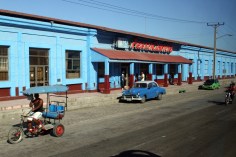
At each port we learned that the Cubans could decide from one day to the next what restrictions and procedures they wanted to put in place to welcome us. For our first visit, we were to line up in the entertainment lounge to have our temperature taken before being admitted into their country. Their free health care system lends itself to some pretty good care for their people and some paranoia about Ebola and other diseases.
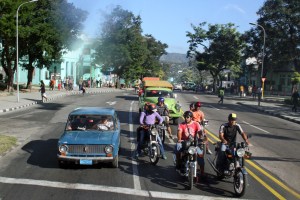
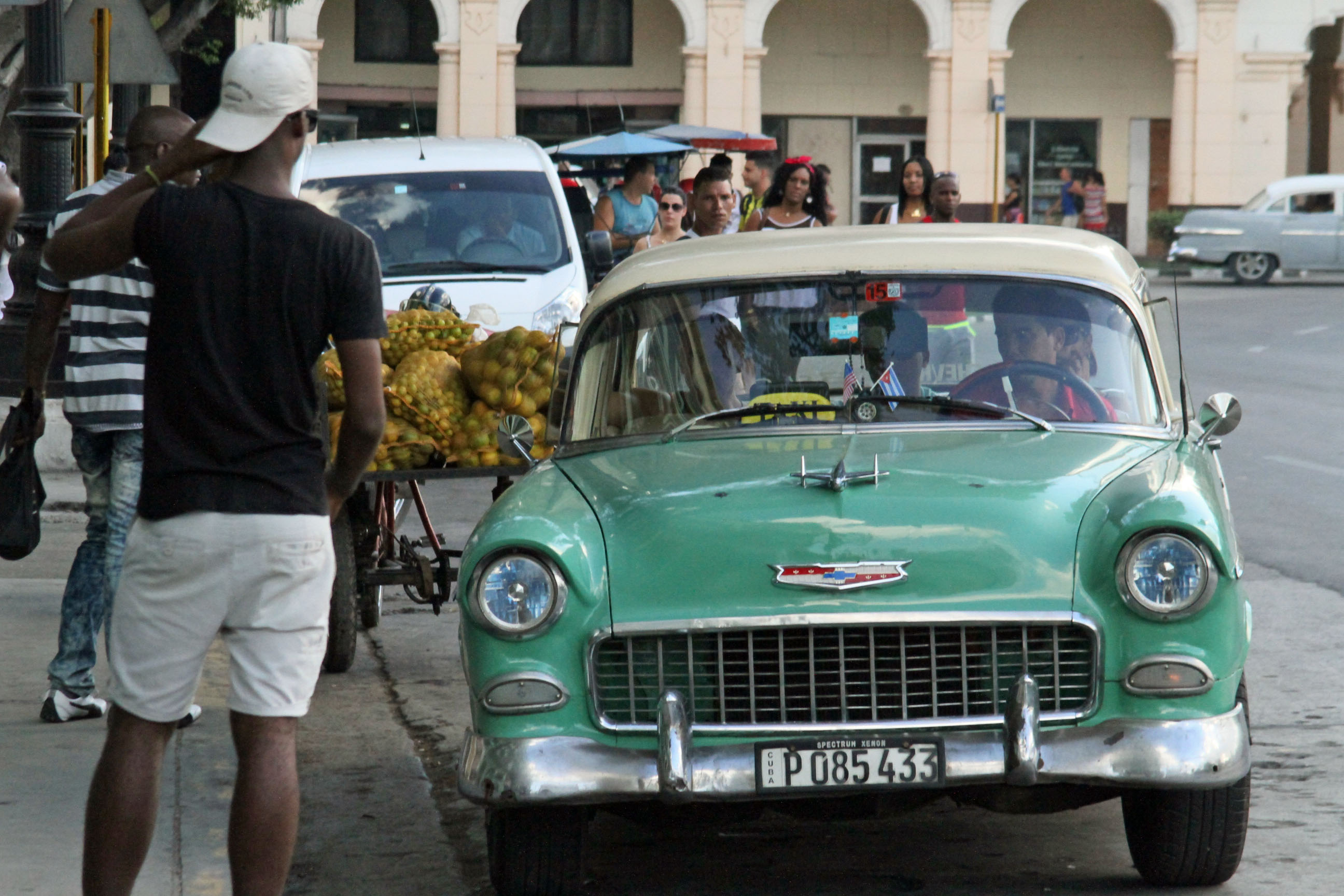
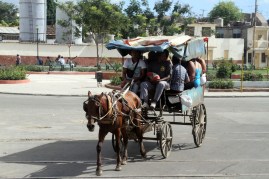 After getting the okay from the doctors, we boarded our buses for our first glimpse at the forbidden land of Cuba. We expected to see the old cars, and did, but I think the presence of horse-drawn carriages, and packed trucks stood out as well. I also noticed numerous women pedestrians with their children walking with umbrellas—to keep out the sun, since there was no rain in site.
We seemed to circle the same main area of town stopping first at a large square—mostly empty but surrounded by monuments and several buildings with wire framed images of their “heroes.” Our guide said the Cubans like to celebrate their heroes but I had a feeling that who they regarded as heroes was subjective, regardless of the monuments and statues littering the land. The outlines of faces depicting Castro and Guevara were on buildings here and elsewhere and the huge statue of a man on a horse on top of the hill in this square was of a 19th century leader for Cuban independence, Antonio Maceo Grajales.  The statue is massive and there are a couple dozen large steel structures coming out of the ground at various angles that represent machetes. We didn’t’ get a lot of history lessons outside of the Castro revolution but there is a deep history with a mix of cultures in this large Caribbean country.
We were taken to what most Americans may recognize as part of our own history, San Juan Hill. Teddy Roosevelt won the day and ground here with the Rough Riders during the Spanish-American war (which the Cubans called the Spanish-American-Cuban War). It was somewhat nondescript but it had a beautiful view of the mountains in the background. I never thought of Cuba as having mountains but it’s a sizable and includes several mountain ranges and reefs off the beaches.
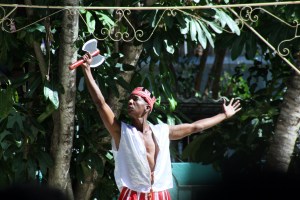
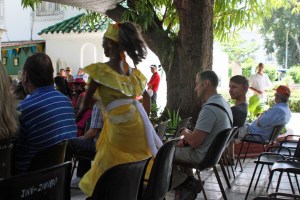
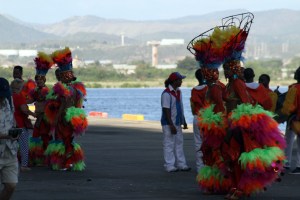
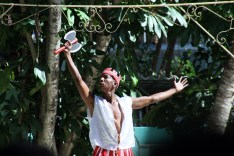 Part of our cultural experience included a stop at the African Cuban Institute. We were entertained by dancers and singers, and a lesson in the history of the various groups that mixed to bring each of their historical traditions together to form a unique Cuban culture. The music and dancing were fun and I was grateful they didn’t force us to get us to dance with the rest of the group during the unending song, Guantanamera—which became one of those songs that stuck in your head for days.
As we left I noticed familiar human interactions—such as a local cop scanning a smartphone with his friend, some locals earning cash selling produce out of wheelbarrows, those selling wares of all kinds from little stands, and more (not so different from our small entrepreneurs in the country and city).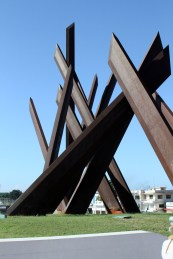
We drove back to the ship after stopping at a “western” hotel for a break. We had a little laugh at the gift store/bookstore that sold primarily books by the Cuban leaders and anti-American stories about Guantanamo Bay and endless shots of Che Guevara, which I was to later understand was a revolutionary “hero” of the Cubans (but probably not really since he murdered so many of them).
We set sail that afternoon for a rough ride around the island passing Guantanamo Bay in the evening. We could see a number of lights on shore shining on the compound and base as we headed east before turning north and west toward Havana, our next stop. It would take us some time to get there as Cuba is quite large. During sailing hours our crew offered a number of lectures and fun sessions on food, cigar rolling, dancing, and more.
Next post covers our wonderful stay in Havana.





This is the first post in the story of my family’s trip to Cuba. The secret, mysterious land just off our coast has been one of the few places closed off for Americans. And when you suddenly tell Americans they can now go somewhere they couldn’t before, it becomes a lure, a top-of-the-bucket list desire.
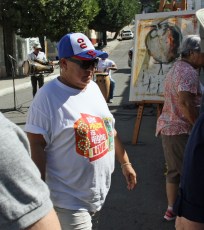
Hell Cuba, meet Mrs. American tourist.
For my parents and me, it was a free cruise we had been given as a result of the ship/tanker crash we survived last summer while visiting Greece and Turkey. As we boarded that very same but now fixed ship in Jamaica, we were a bit wary but noticed a few upgrades, including the deck off our nice room. The food still was not so great and the cruise line’s staff and crew were disorganized, but almost everyone was very pleasant and kind and willing to serve with a smile.

The new American Embassy in Havana
My trip started off at an ungodly hour for me on December 24. I paid for a seat upgrade so I could get on early and sit in an exit row with some more room. But with some “turbulence” occurring near our Hub destination we sat and sat and watched the clock go past our now missed connections. Finally arriving in Charlotte and winded from a sprint to my connection gate, I headed back to the help desk and was told I missed the last flight to Jamaica. Fort Lauderdale and a lonely Christmas Eve was in my near future. One of my favorite hours of the year are usually spent with my family in Christmas Eve services so this vacation was starting out not so good.
Another super early morning got me on a very empty flight to Montego Bay where I landed safely and met my parents at the port. We had a nice Christmas day afternoon on board in our old boat—hoping we would avoid any collisions his time.
Our trip was scheduled to take us to Santiago, Havana, Maria de la Gorda, and Cienfuegos. Overall, the trip was interesting, the seas were really rough, and we ended up sailing past Guantanamo at night and going all the way around this very large island nation (or more accurately, this archipelago of islands nation).

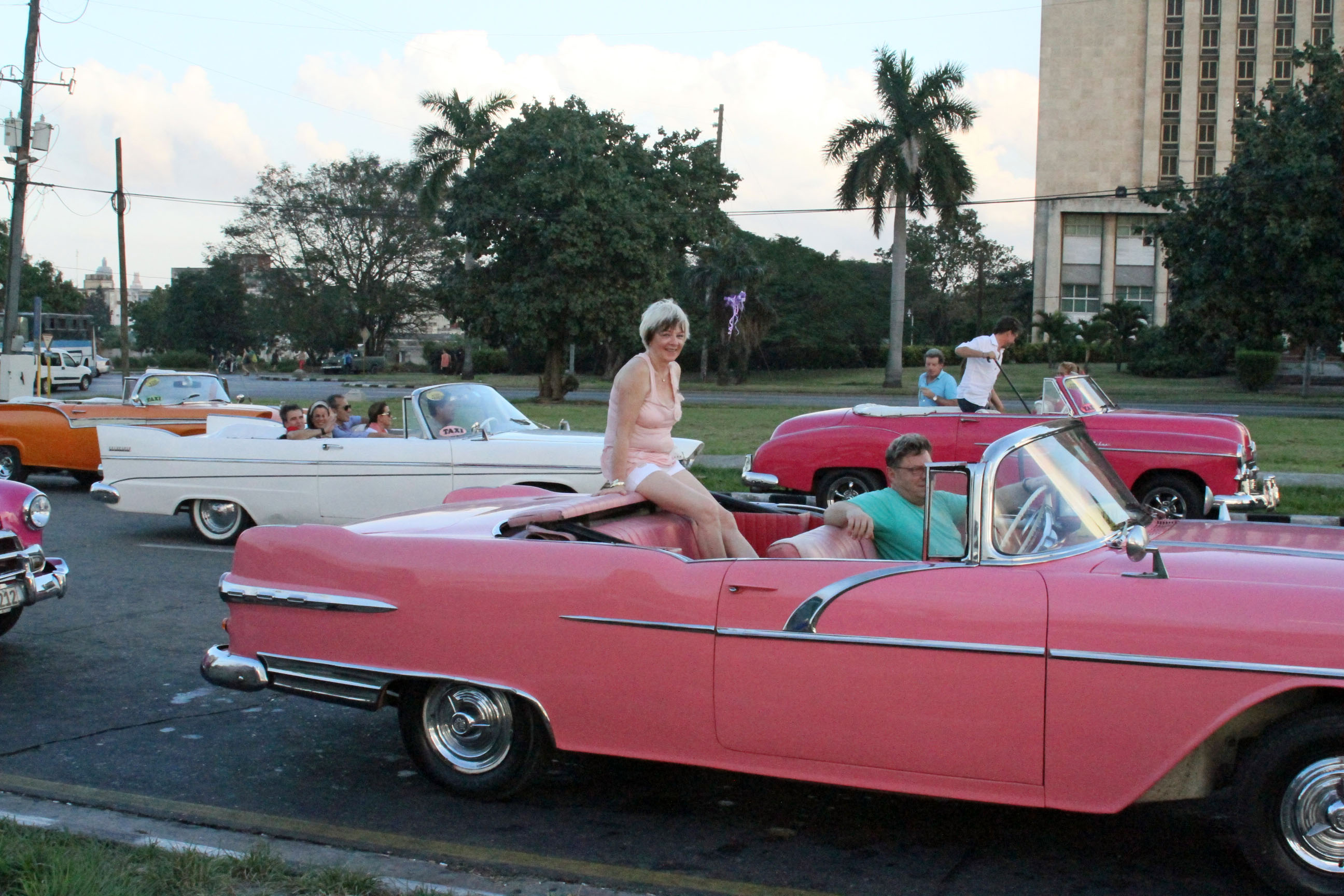
Cubans are working hard and smart–giving taxi rides and tours in the old colorful cars.
The Cubans are just getting ready to become a destination for tourists. They have a lot to do to prepare for a rush of Americans (if they want to keep up the tourist trade from our countrymen). The lack of Internet access, luxury hotels, and more organized tours and sites won’t live up to most standards in the long run but at the moment the mystery of the destination and having the cruise boat as a home, provided the comforts the first adventurers need. We overhead many people saying they were glad to get to Cuba before the Americans came and ruined it.

They love to show off their revolutionary “hero” or mass murderer if you will, Che Guevara.
Many people envision Cuba as a place out of time. I would say that is somewhat true. The cars are vintage for sure and there were lots of people using horses as transportation, but beyond that and the items found at their “flea markets,” it was very much like visiting a somewhat poor Caribbean country. When the Soviet Union ended, so did the rich support Cuba was getting. And while they have excellent health care and a nice education system, most people are poor. But not necessarily unhappy. The politics are complex and we got a balance of truth and propaganda—certainly seeing the “evil” portrayal of American politicians and the CIA and their hurtful policies during and after the revolution.
I was surprised at the overwhelming presence of books, postcards, monuments, etc. of Che Guevara. Of course the people can’t speak out against him but on the surface the memory of him is honored and celebrated everywhere. He was a monster in disguise and has a most impressive PR agent—in the form of El Jefe himself who is sliding into history as we speak.
The people were nice and it was a pleasant experience getting to know their culture—a mix of native Indians, Spanish, and Africans who have combined their cultures to form the unique culture that is now Cuban.
Next post, I’ll talk about our first port stop in Santiago.
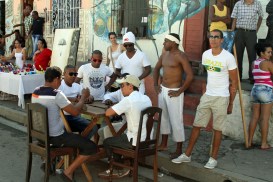
Dominoes is a popular game played all over Cuba.

A view of Havana at twilight as we leave port.

Vintage cars and food sold on wheelbarrows and rolling carts can be seen everywhere.
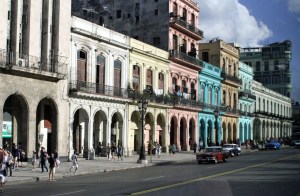
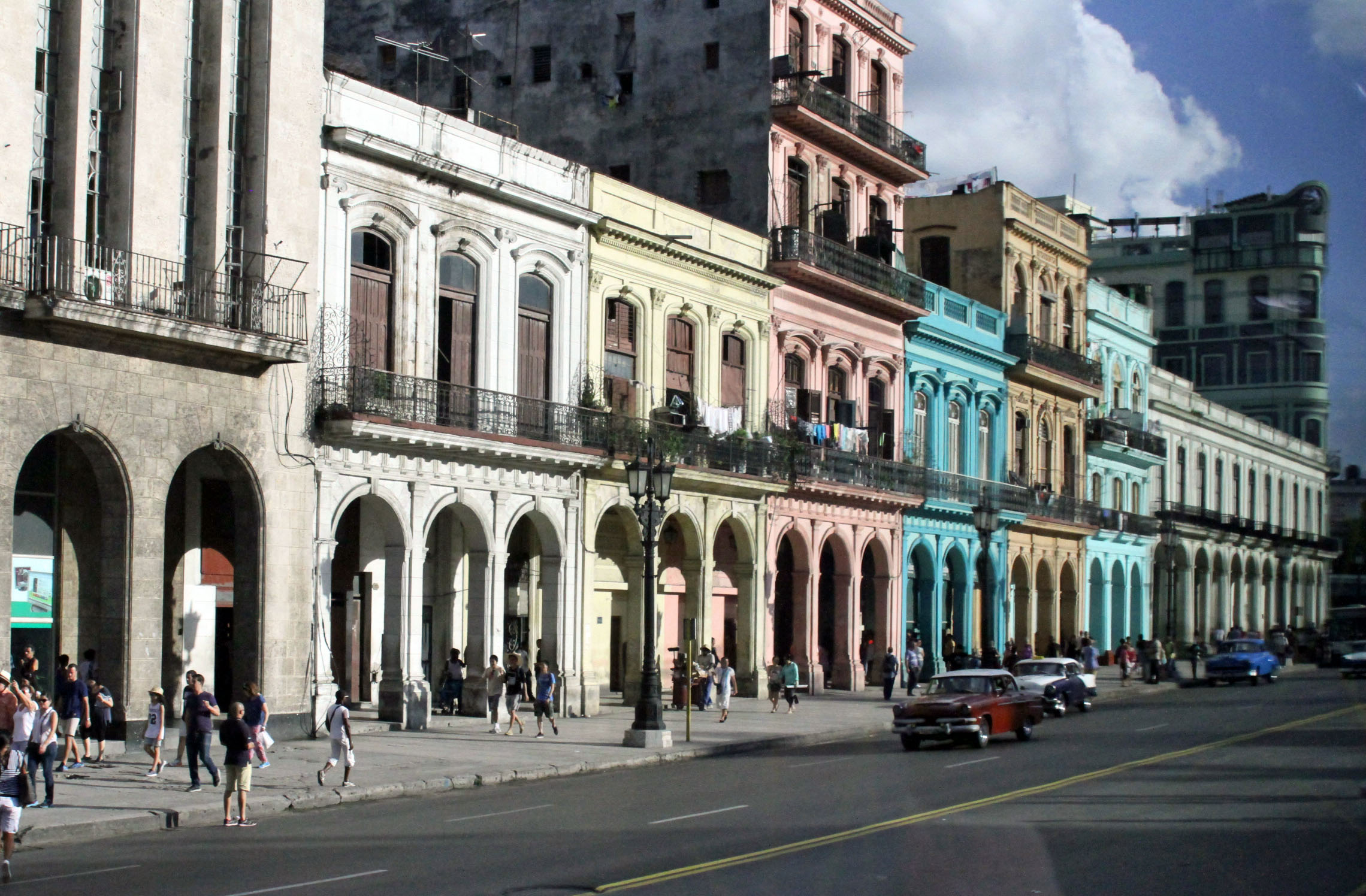
Colorful buildings dot the streets. Some are slowly being renovated and some falling apart. A slow process.

Ahh, such a wide range of interesting topics to choose from at the bookstores.
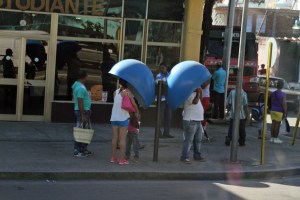
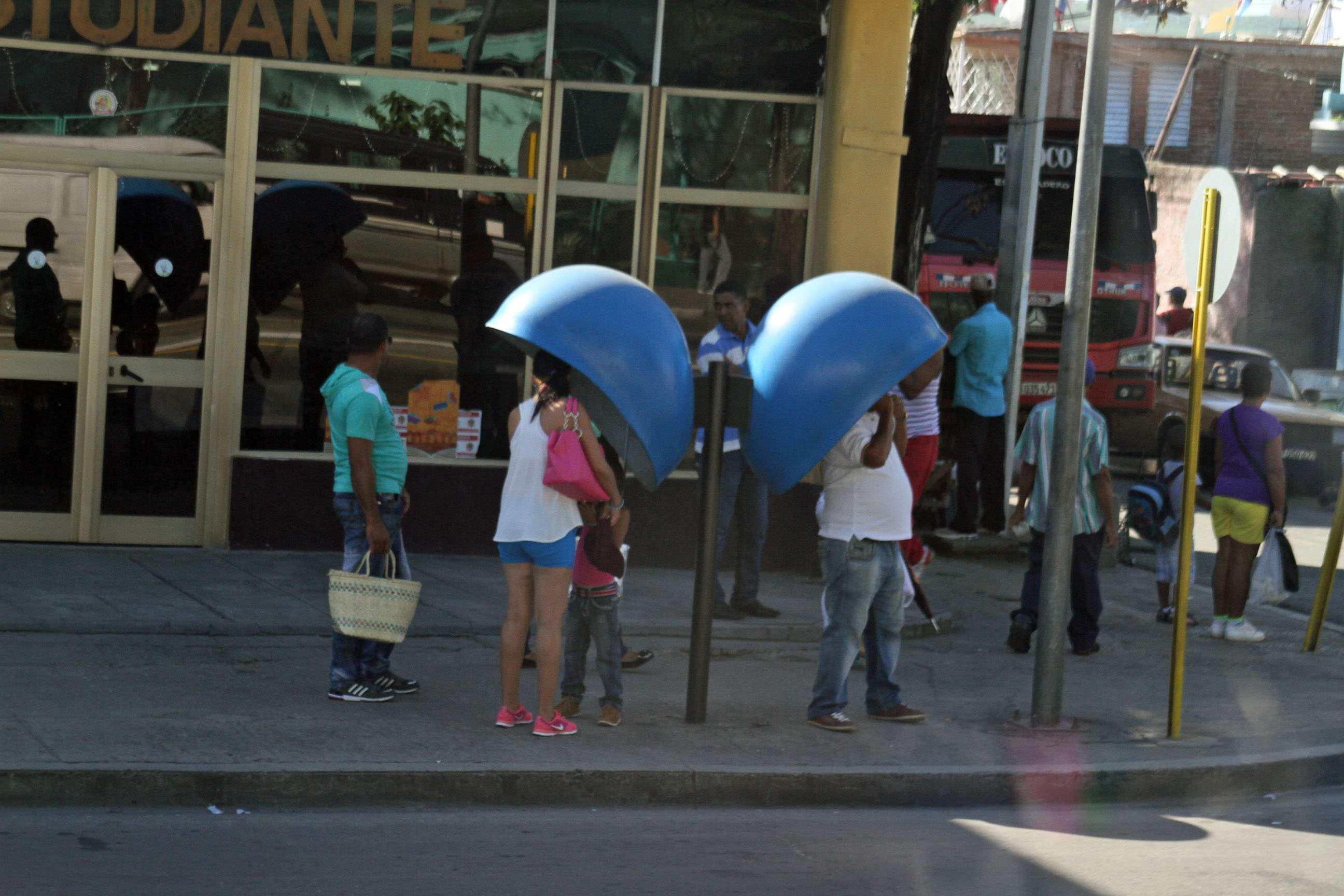
Public pay phones. Look like big alien helmets.
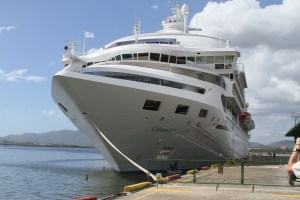
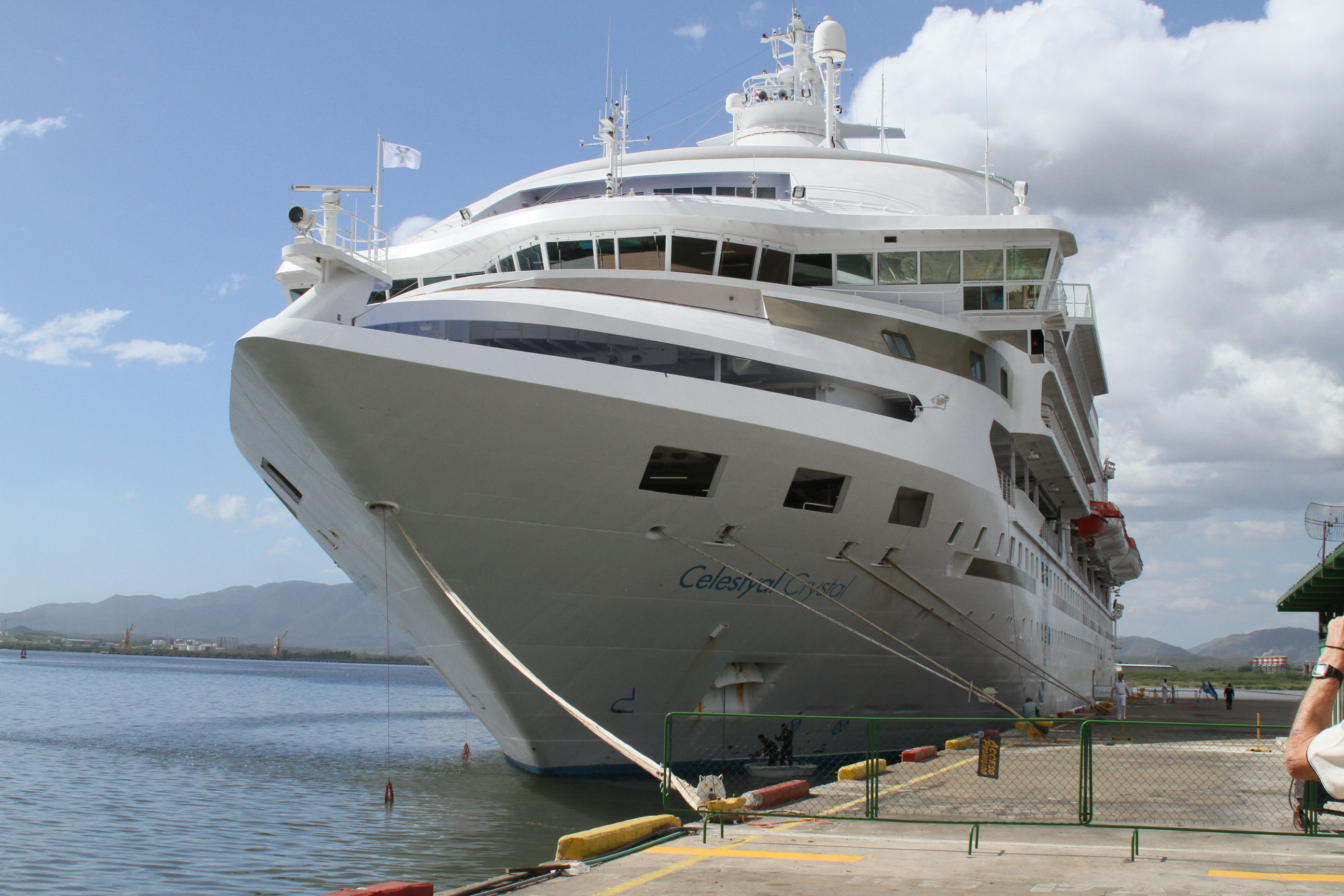
Our ship, the Crystal has been fixed. The bow looks new and sturdy once again.
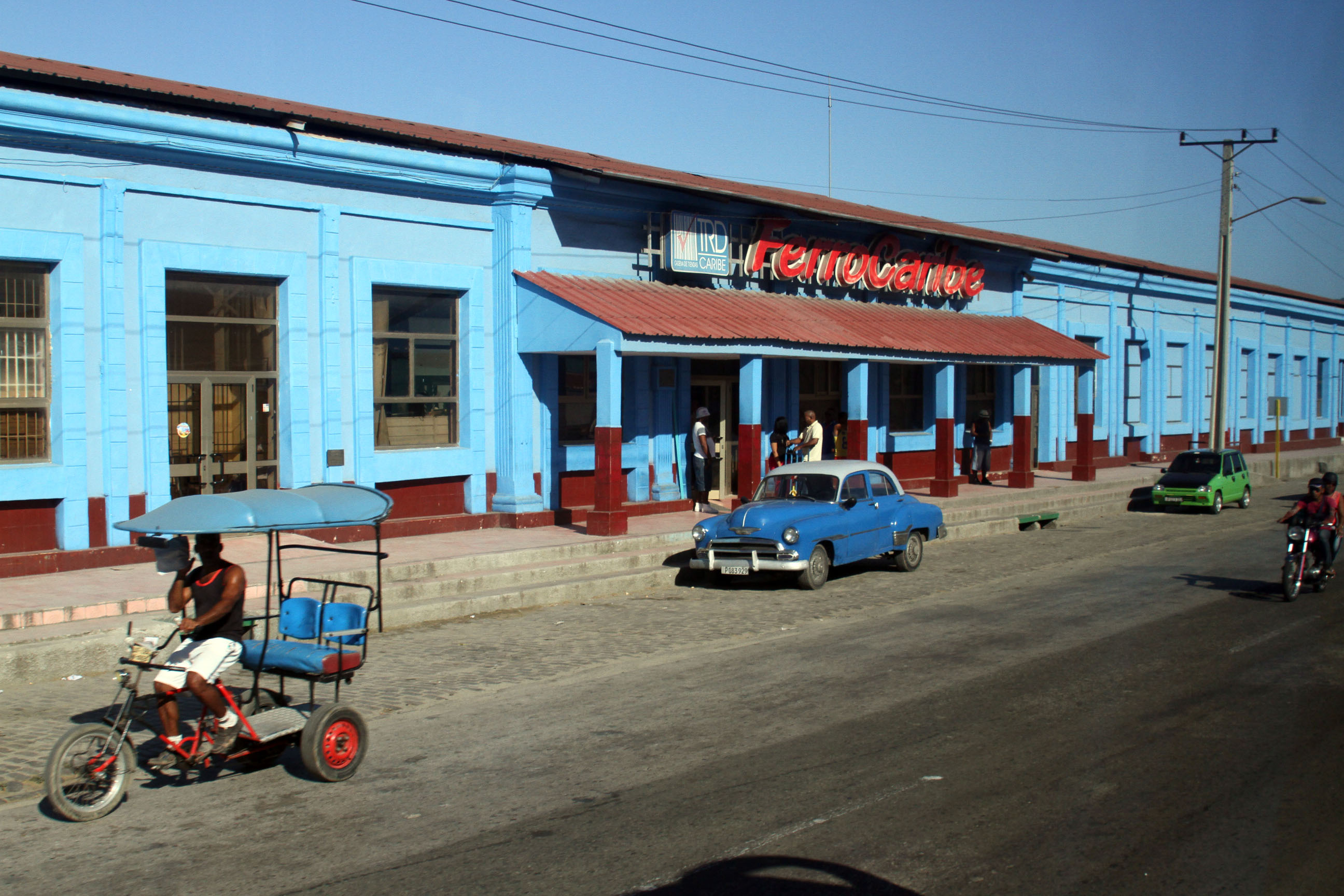
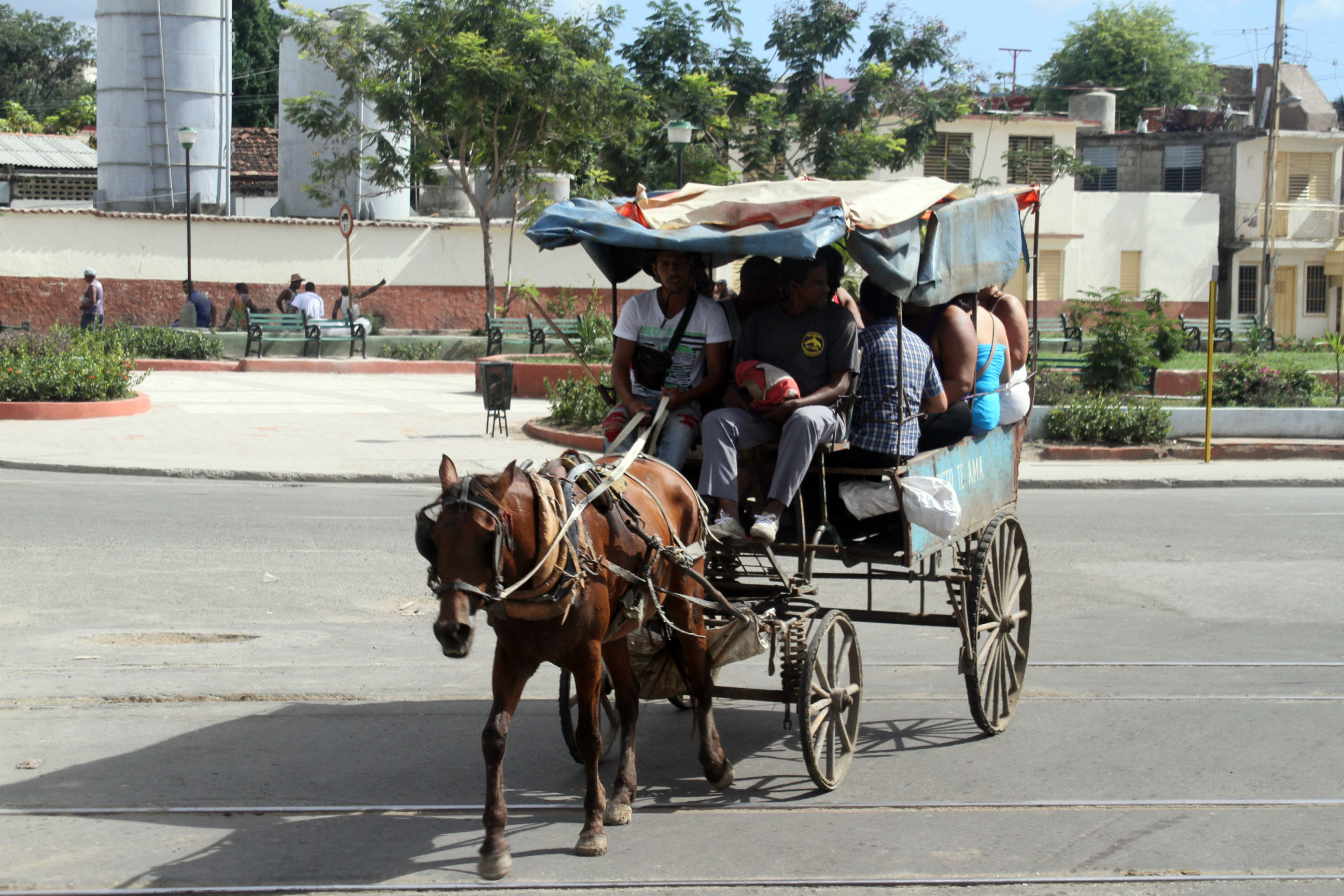 After getting the okay from the doctors, we boarded our buses for our first glimpse at the forbidden land of Cuba. We expected to see the old cars, and did, but I think the presence of horse-drawn carriages, and packed trucks stood out as well. I also noticed numerous women pedestrians with their children walking with umbrellas—to keep out the sun, since there was no rain in site.
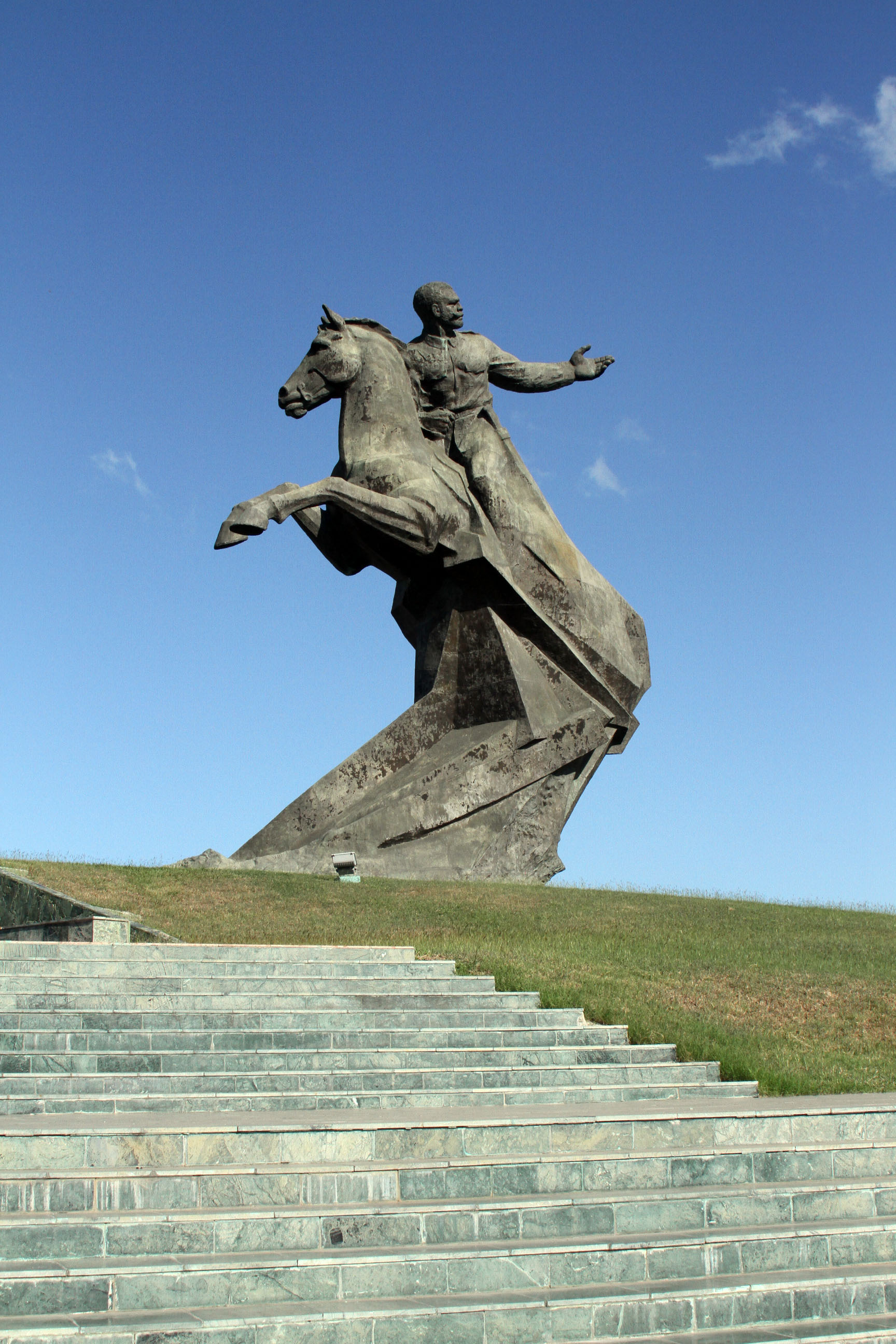 The statue is massive and there are a couple dozen large steel structures coming out of the ground at various angles that represent machetes. We didn’t’ get a lot of history lessons outside of the Castro revolution but there is a deep history with a mix of cultures in this large Caribbean country.
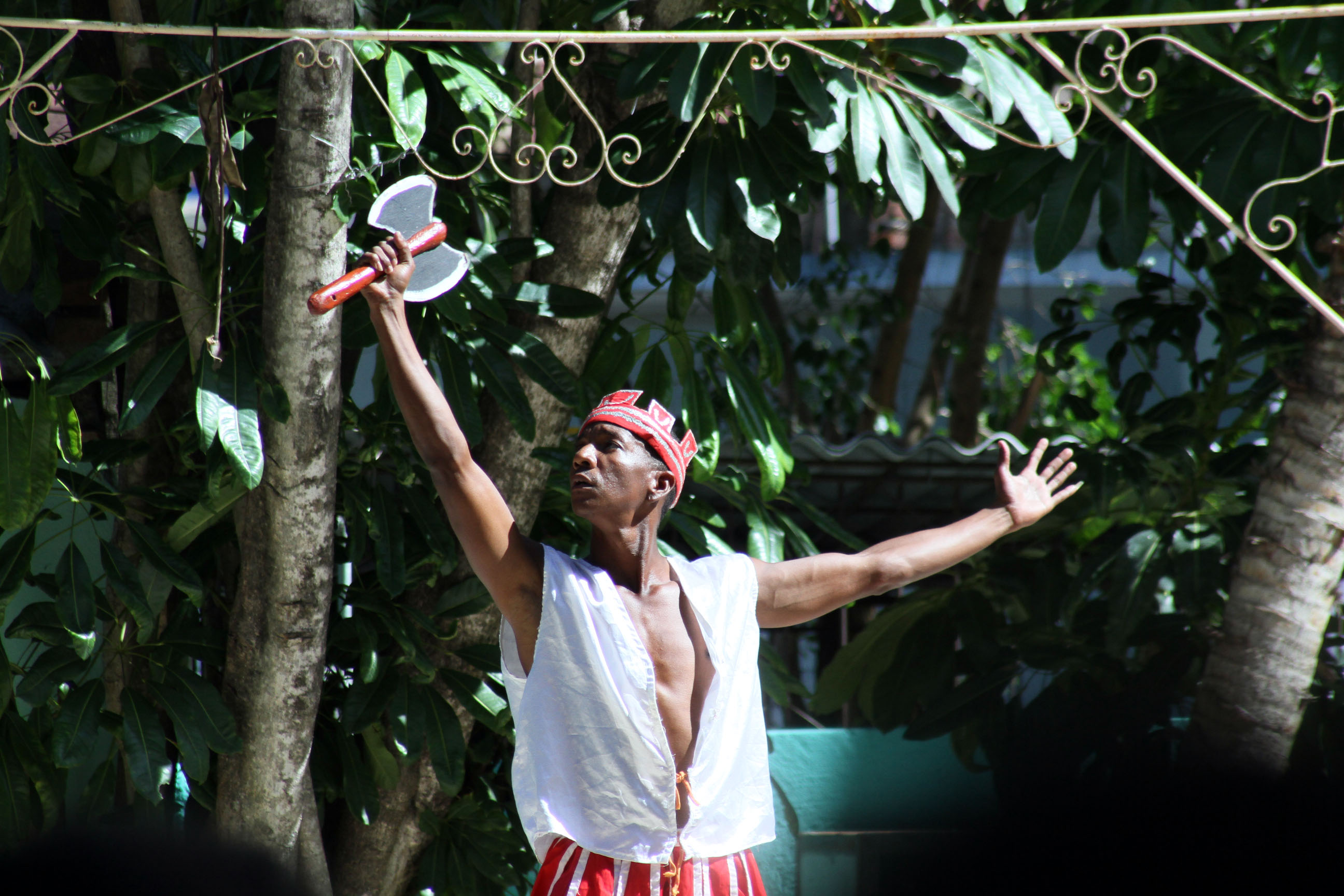 Part of our cultural experience included a stop at the African Cuban Institute. We were entertained by dancers and singers, and a lesson in the history of the various groups that mixed to bring each of their historical traditions together to form a unique Cuban culture. The music and dancing were fun and I was grateful they didn’t force us to get us to dance with the rest of the group during the unending song, Guantanamera—which became one of those songs that stuck in your head for days.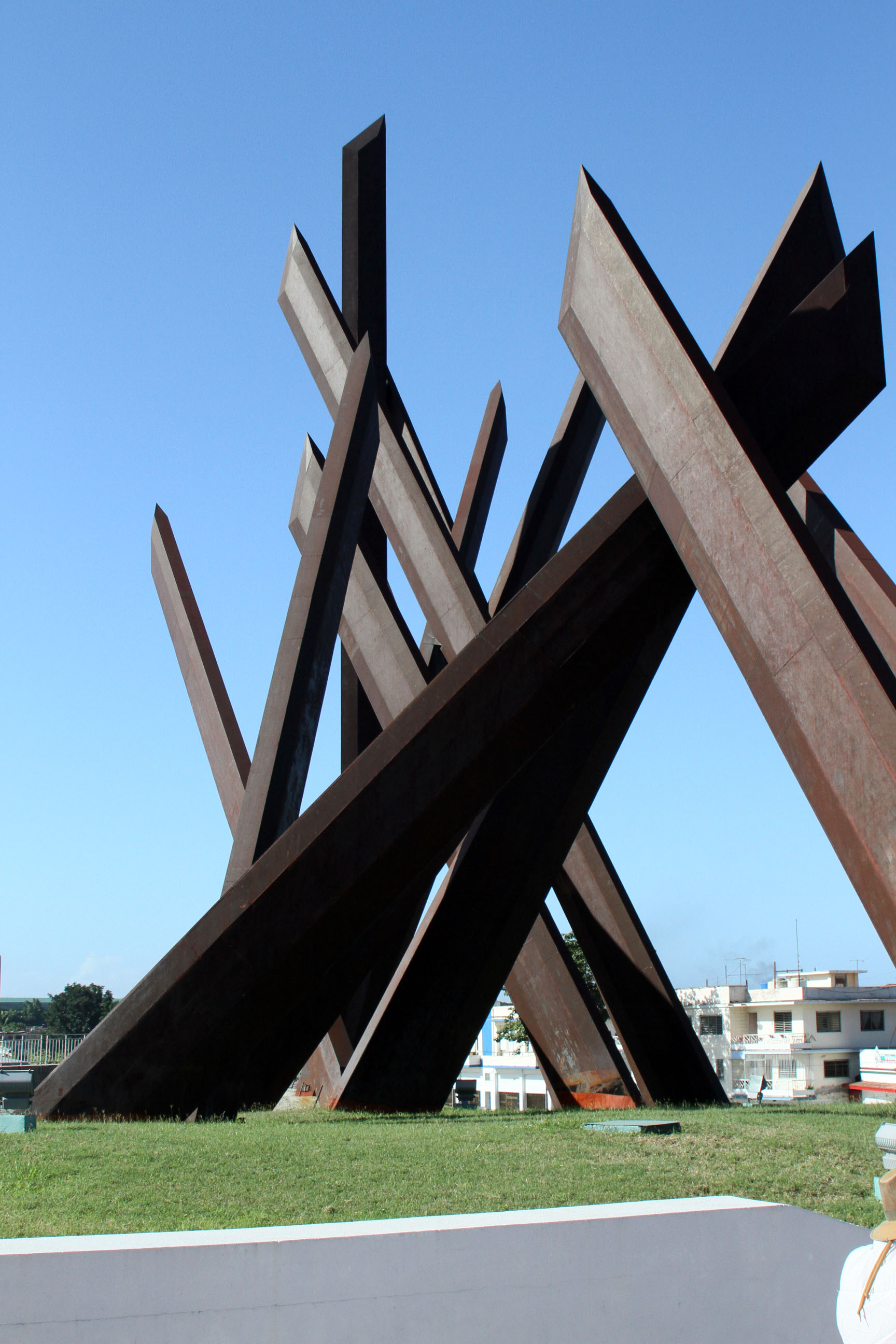




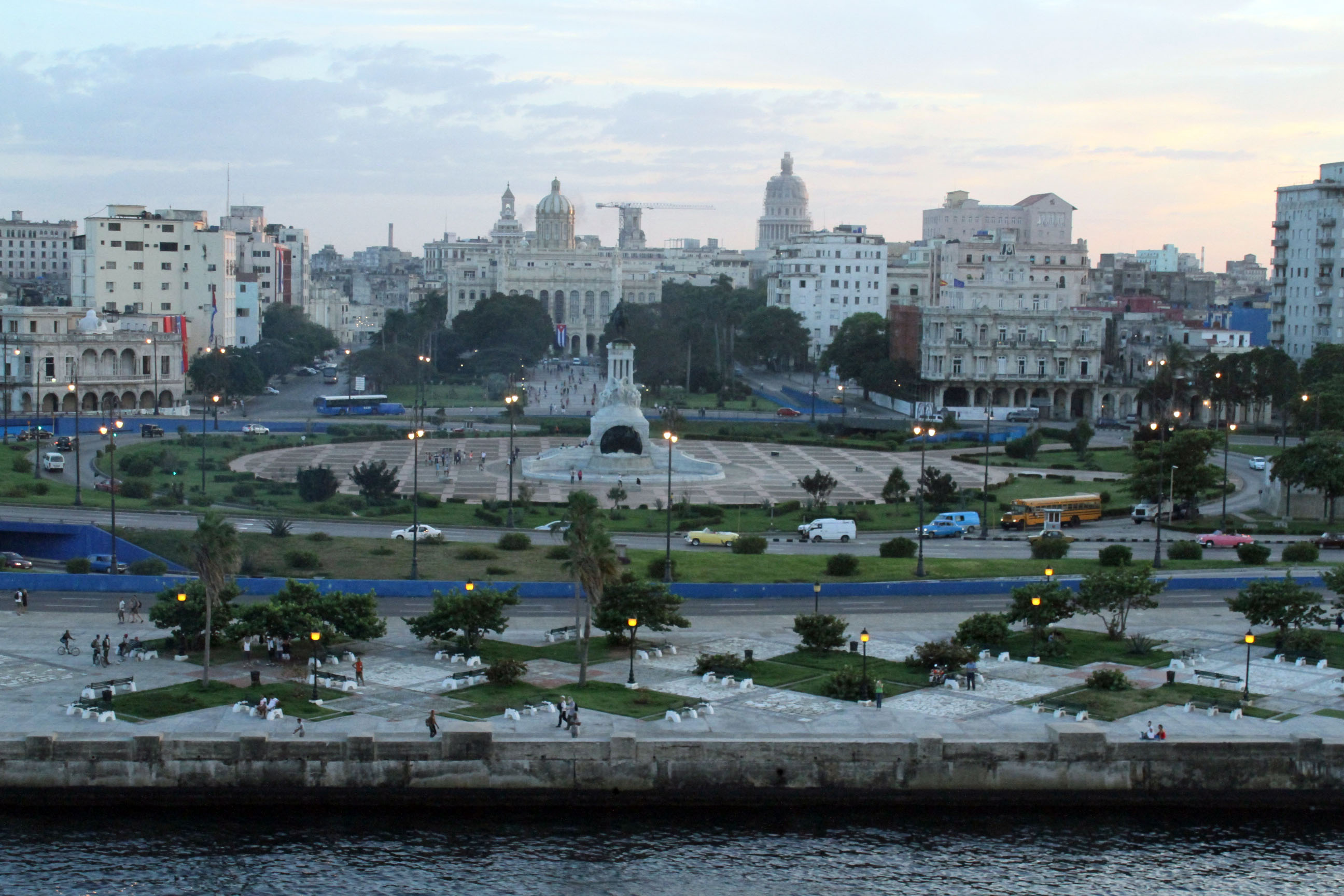



 From the Observation Deck