Uncategorized


The River Jordan looking over to the Jordanian side with people getting baptized.

The River Jordan looking over to the Jordanian side with people getting baptized.

Onward we went on our trek through the Holy Land, from the Dead Sea to an area we consider filled with life. A little back story to start off. Jesus’ name in English is Joshua which means salvation. Fitting name for our savior. We have to have faith to follow Jesus and to trust that He will take care of us. Another Joshua in the bible played a prominent role in our next destination. Joshua and his buddy Caleb were two of a group of the men tasked by Moses to check out the land across the Jordan and report back what they found. Joshua and Caleb were the only ones to give a positive report and to encourage Moses and the Jews to act now and enter the Promised Land as God wanted them to. However, the Jews heard other stories of giants and mass armies and they got scared. The result? Forty years of wandering in the desert until finally, Joshua led the Jews across the Jordan and into Israel.

Just two guys hanging out on the Sea of Galilee.

Just two guys hanging out on the Sea of Galilee.

At the time of the Jewish crossing, the river was running very fast and flooding. It was scary and dangerous. The Jewish people had to have faith in God that He would take care of them to get them across the river. It wasn’t until the priests took the first few steps into the river as an act of faith that God stopped the flow of water to allow the people to cross safely. Everything in the bible flows together perfectly. It makes sense that this river, the place where the Joshua led his people to the Promised Land, would be the place Jesus was baptized.

Jordan River
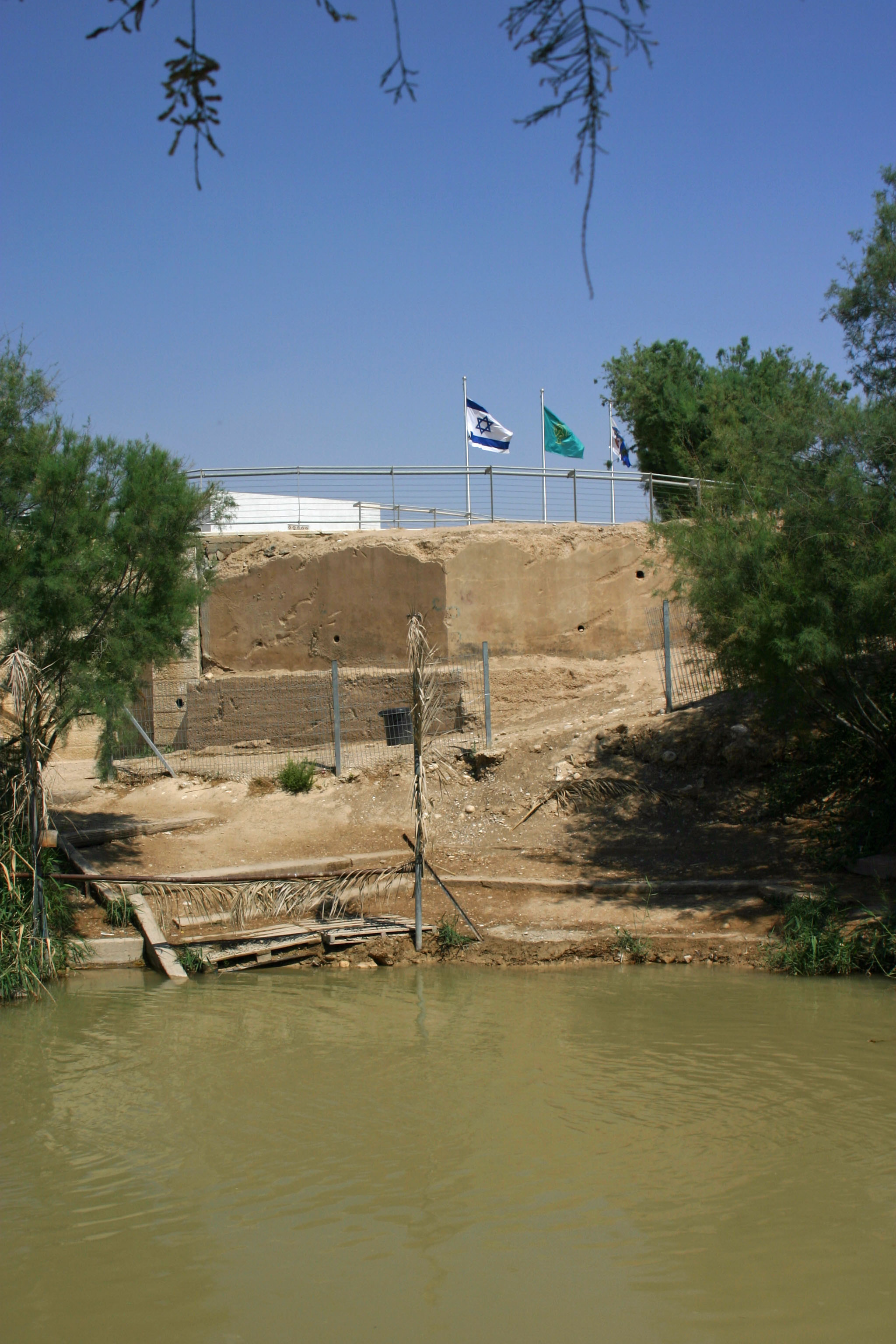
A view of the Jordan River from the Jordanian side in 2007. The Israel area was not tourist friendly back then.

A view of the Jordan River from the Jordanian side in 2007. The Israel area was not tourist friendly back then.

As we drove up through the West Bank, we entered an area that had fencing on both sides of the road. Beyond the fence were mines (or maybe used to be mines) from the days when it was a no-man’s land. As we got close to our destination, my parents and I realized we had been there before—just on the OTHER side of the river. Wow, it was something special to see the place we had visited while touring Jordan back in 2007. Back then, the Israel side was not used as a tourist destination, but now, there were groups of people in long white shirts walking into the water to be baptized. We could see the steps where we waded into the eastern shore of this very narrow river seven years ago. This time, we were able to step in on the Israeli side. I think most people visiting the river Jordan would be surprised at how narrow and small it is. It’s very calm, and has a greenish/brown color with a lot of vegetation along the banks. It would be very easy for someone to cross over the border here—and in fact there was at least one crossing years ago. On the Jordanian side there is a baptismal altar that showed up there very suddenly one year when the Pope visited. Funny thing, it used to be on the Jewish side.
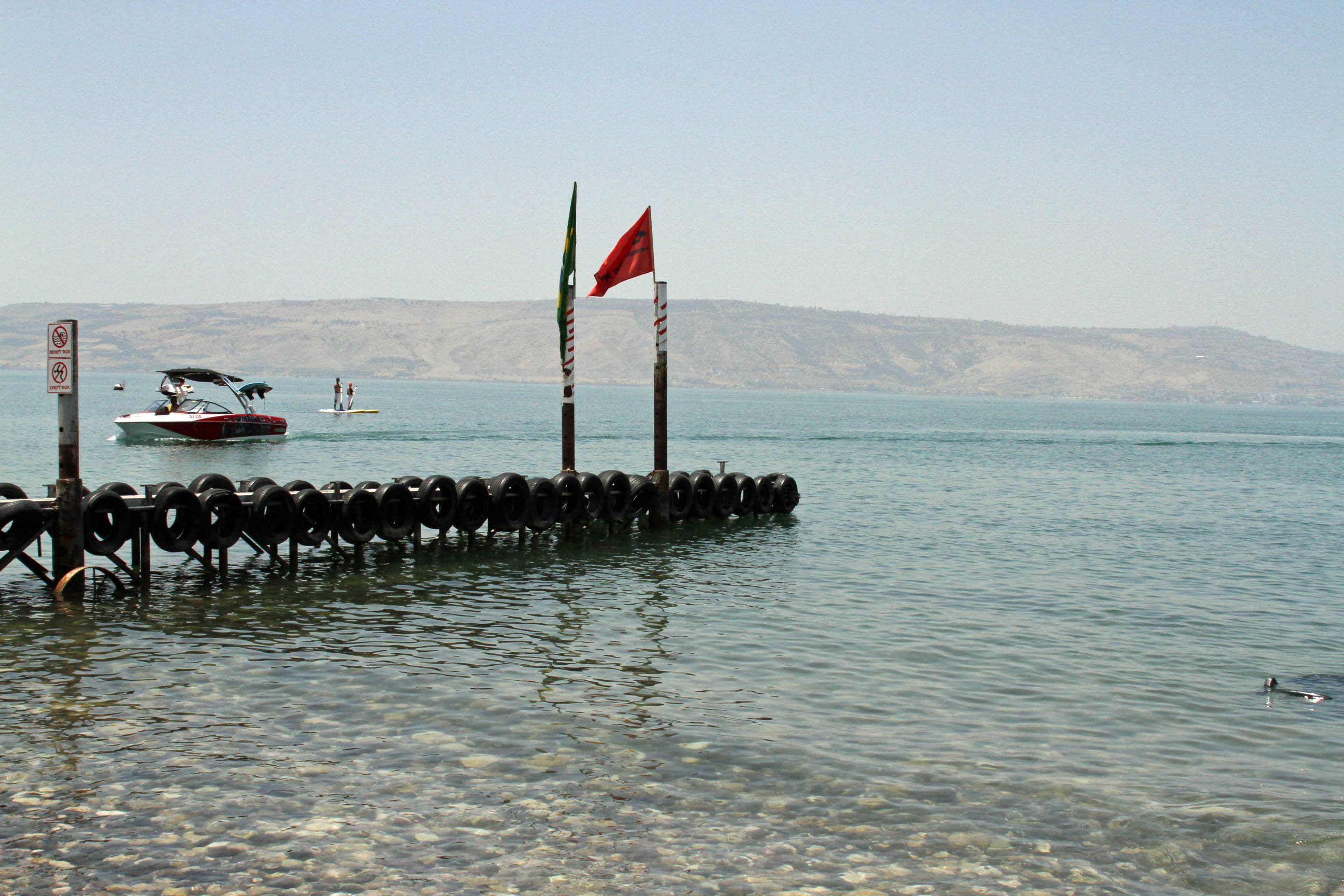
Sea of Galillee. The water was crystal clear.

Sea of Galillee. The water was crystal clear.

Sea of Galilee

We continued North past Jericho and through the west bank to the shores of the Sea of Galilee. We could tell why some of the fishermen of Jesus’ time had issues—the wind comes down over the mountains and blows nicely across this beautiful body of water. White caps could be seen out on the water but as we stopped at a Kibbutz for a dip in this water, it was calm and clear as clean glass. The bottom was rocky with lots of little stones, and the surrounding countryside was filled with flowers and banana tree farms.

We had a wonderful lunch at the Fish and Bistro Restaurant in Ein Gev. The ambiance was lovely, the service was good, and the fish was absolutely delicious. I highly recommend a stop there—our guide was on the mark with this selection.
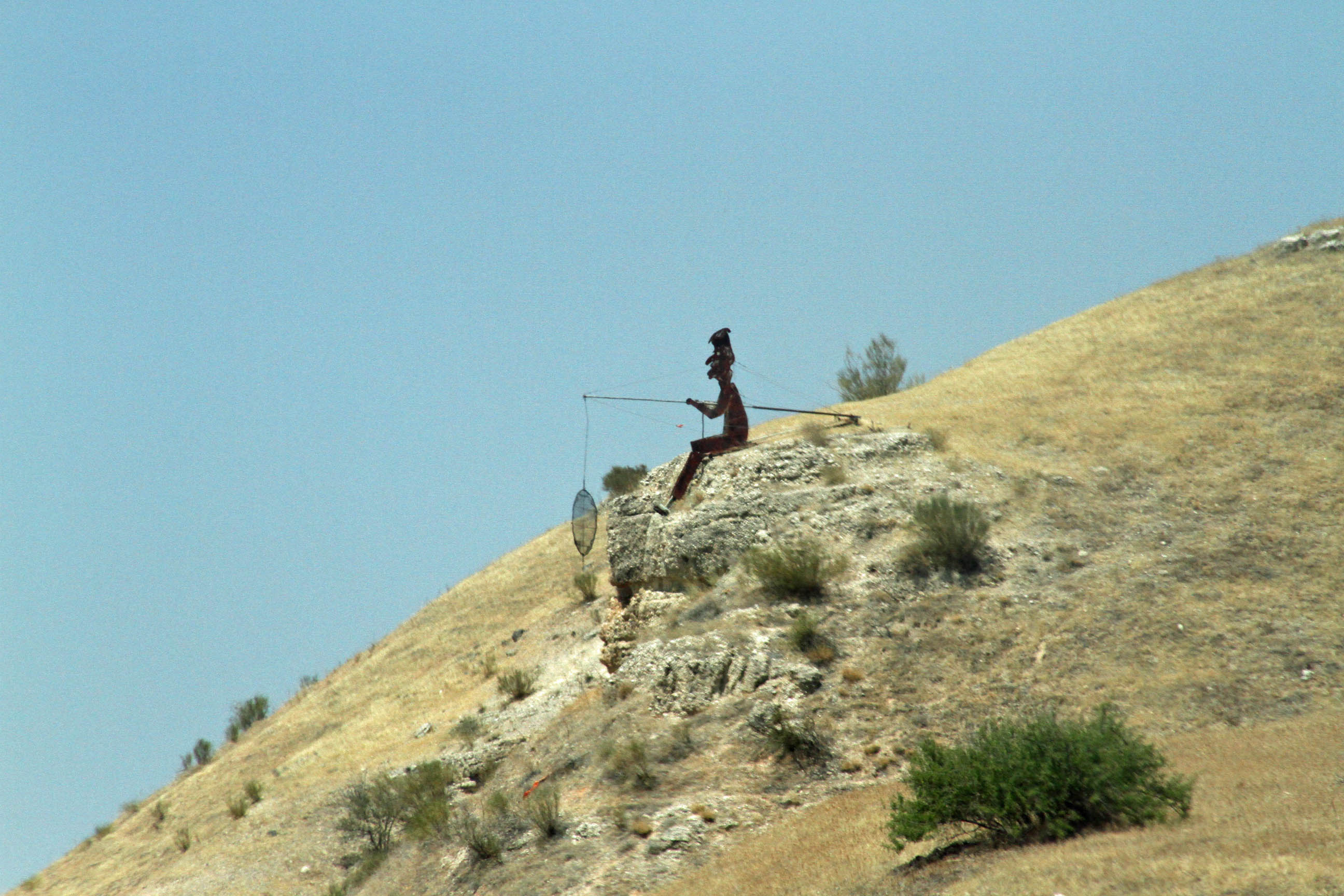
Israel's jibe at an old Syrian leader.

Israel’s jibe at an old Syrian leader.

After lunch we got back on the road and saw a black steel silhouette of a man sitting on the side of the hill with a fishing pole. This is a Jewish joke. I guess if you’re Israeli you have the right to make this kind of bold insult, but I think they went considerably out of their way to poke fun at a deceased Syrian leader who had promised that he would be fishing off the shore of Galilee near the Golan Heights before he died. He did not accomplish his desire and so a monument stands to his failure.

Kursi: the Miracle of the Swine

Mosaic floor in the ruins of the Byzantine church.

Mosaic floor in the ruins of the Byzantine church.

Our next stop was at Kursi, the location of a miracle of Jesus. This is where Jesus met a man who was possessed by demons (so many that they identified themselves as Legion). Jesus healed this man and allowed the demons to enter into a herd of swine that was grazing in the area. The possessed pigs ran down the hill and into the sea where they drowned.

The site of Kursi hosts the ruins of a byzantine church that had a beautiful mosaic floor courtyard surrounded by pillars with pictures of animals. It was pretty hot that day so we continued on around the Sea to more Christian sites. I’ll talk about those in the next post.


Hebrews 11: 1

“Now faith is being sure of what we hope for and certain of what we do not see.”

IMG_0852

Mom and Dad and I on the banks of the River Jordan.

IMG_0856

Here, the Jordan is calm and narrow.

IMG_0900

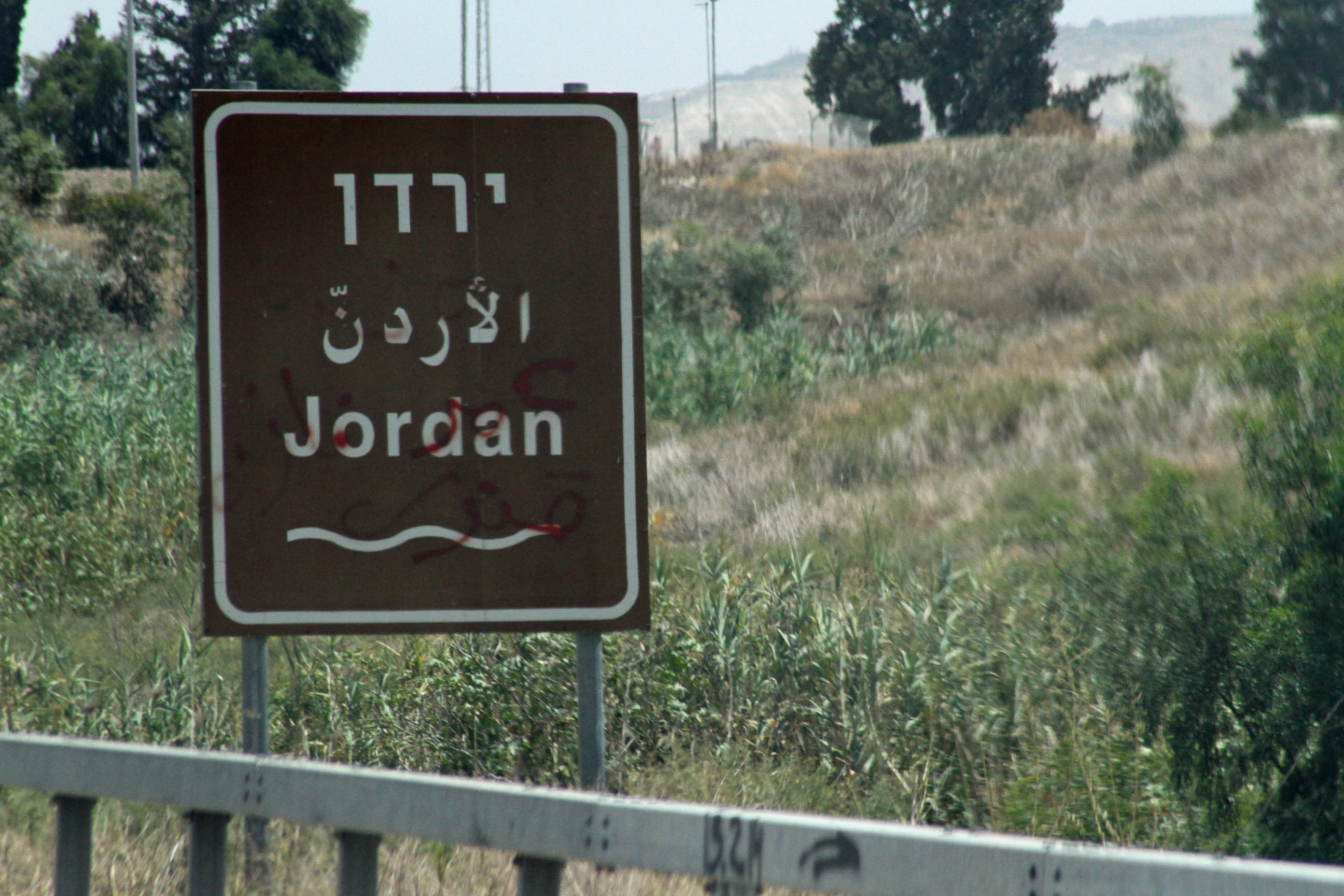
Signage is always in three languages in Israel.

IMG_0943

An interesting Dr. Seuss-type tree grows in Kursi.
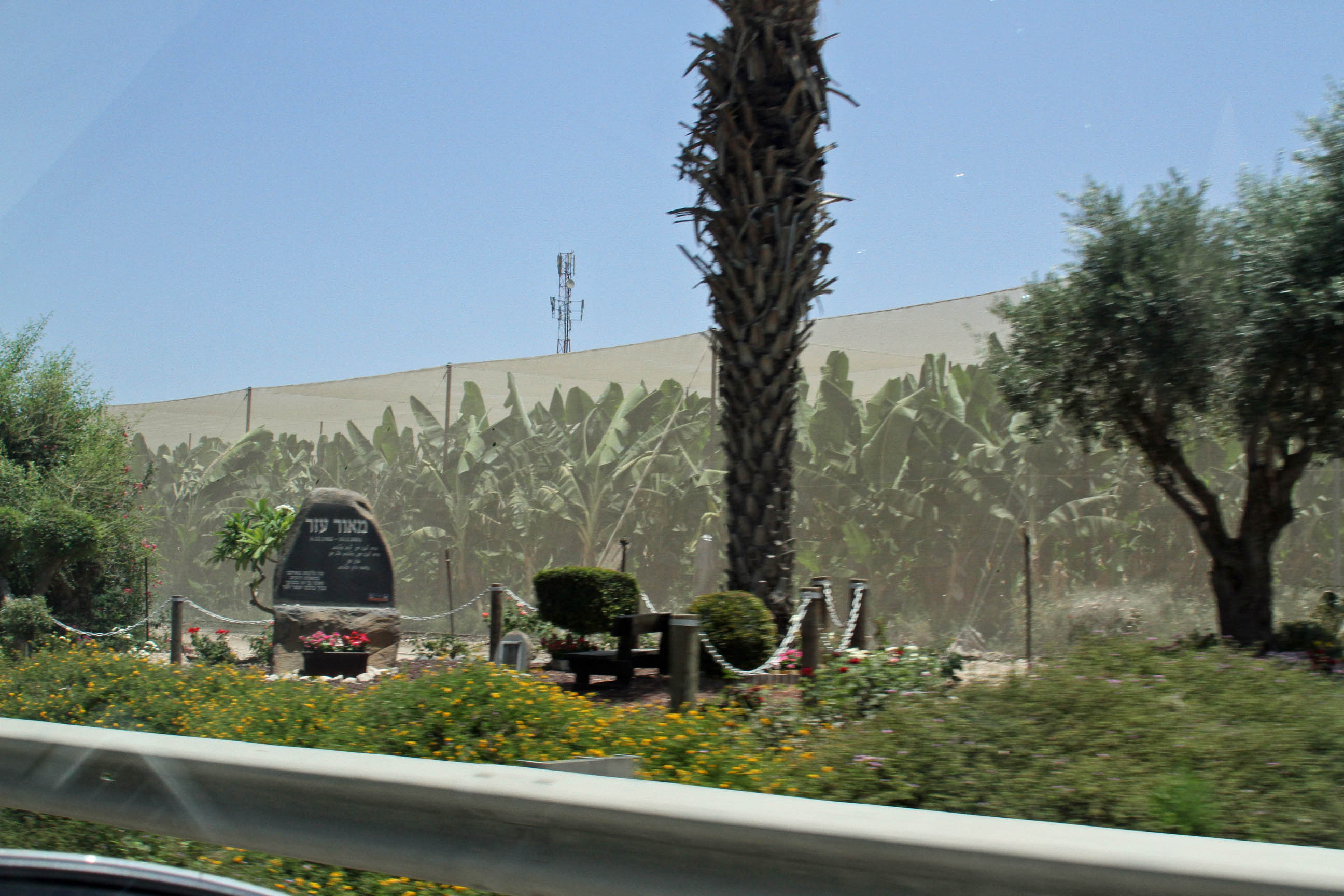
IMG_0911

Lots of banana farms surround the Sea of Galilee. They are covered by some kind of mesh.

Flowers bloom in the area around Galilee.

Flowers bloom in the area around Galilee.


Our trip through the holy land continued with a ride through the Negev (desert) on our way to the area of the Dead Sea. Our guide started off the day telling us we couldn’t go to Masada due to the heat (it would eventually make it up to 44 degrees Celsius, or 111 Fahrenheit, but it was not there yet and I’ve been through worse in D.C.). After being a little miffed at her for what I considered to be unprofessional behavior for a tour guide, we politely insisted on going, seeing how the trip was expensive and we wouldn’t likely be getting to Israel again and Masada is one of those sites we definitely wanted to see.

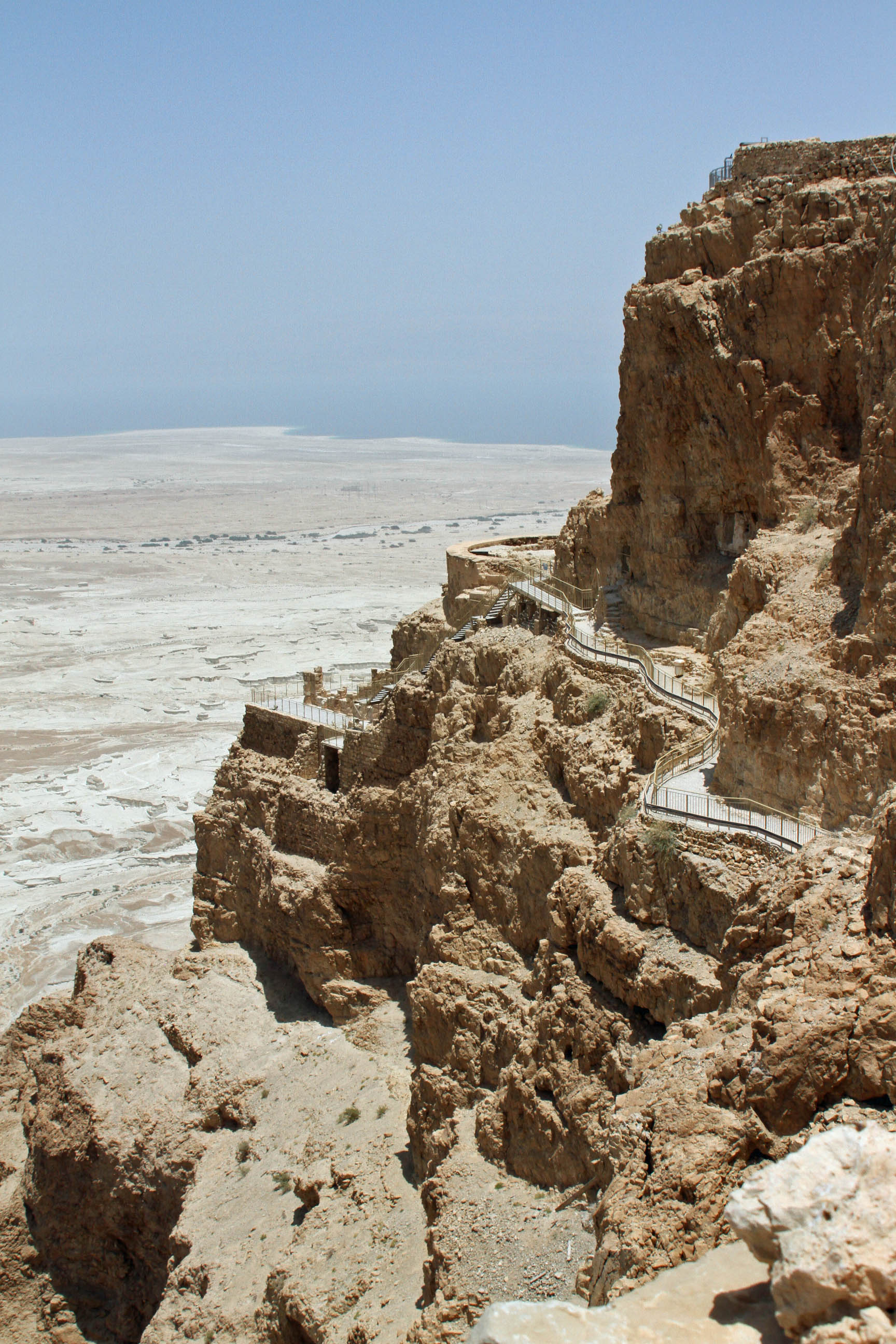
The Snake Path up the side of Masada.

The Snake Path up the side of Masada.

I had known the tale of Masada from one of my small group studies. We watched a video by teacher and historian, Ray Vander Laan, whose ministry is focused on understanding the Bible in light of the historical and cultural context in which God placed it. I highly recommend these video lessons. In addition, before I arrived in Israel I had just finished reading an excellent book titled The Dovekeepers, an historical fiction based on several women who were at Masada at the time of the massacre.

A view of Masada, the palace was spread across several layers . The path to the water cisterns can be seen along the side.

A view of Masada, the palace was spread across several layers. The path to the water cisterns can be seen along the side.

What is Masada?

Masada was a fortress palace built by the crazy and paranoid King Herod. It’s in the middle of nowhere overlooking the Dead Sea. In ancient times, the only way to get to the compound was via the snake path, a narrow, windy path that snaked up the mountainside. Anyone climbing the mountainside could be viewed for many miles by the guards (and killed if you were an invader). An extensive and brilliant water system allowed anyone living in the compound to have access to plenty of water to survive for a long time. Huge cisterns and long storage buildings provided enough food and water to sustain the inhabitants through many months of siege.

And that is precisely what happened around the year 74 AD. A group of Jewish zealots who wanted to live a life away from the big cities and out of the control of Rome established a compound at the vacated mountain top of Masada. The Romans could not abide anyone rebelling against them, even a small group of unimportant people in the middle of nowhere. They camped out along the dessert at the base of the mountain and laid siege. Waiting the Jews out was not enough, so the Romans got their slaves to start building a ramp. Many lives were lost, but finally the ramp was wide and high enough for the Roman soldiers to break through the walls and invade. While they were planning the final invasion, the Jews decided they would rather die than be enslaved, so 10 men were appointed to make their way through the compound killing their friends, families and neighbors. All but a handful of the Jews were dead when the Romans came through the walls.

Ruins of the storage rooms. There were many obstacles for invaders to get through before reaching the palace. Herod was a paranoid freak.

Ruins of the storage rooms. There were many obstacles for invaders to get through before reaching the palace. Herod was a paranoid freak.

Masada Tour

In the near 100 degree heat, we hopped on a gondola and zipped up to the top in no time. We stopped in shade to hear lessons from our guide and saw the palace baths, store houses, guard posts, dovecot (where they kept the doves who helped fertilize the orchards and were used for sacrifices), cisterns, mikvehs (cleansing baths), and the ramp the Romans built. It was totally worth the trip, the heat wasn’t that bad, and the views of the Dead Sea and down the mountainside were beautiful.

Ein Gedi

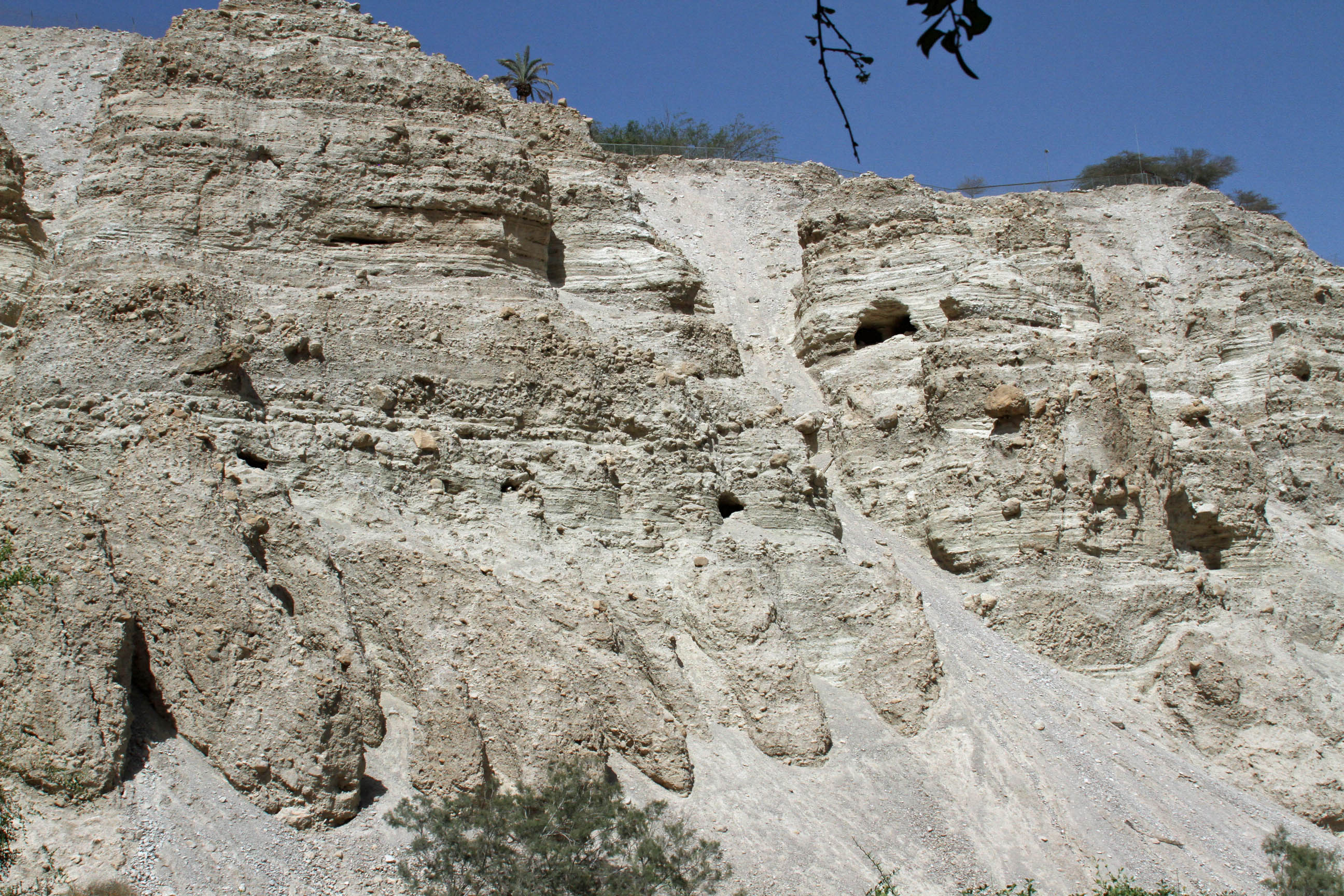
Cave in Ein Gedi

Caves in Ein Gedi

After an easy ride down the mountain, we enjoyed some more Shawarma in the cafeteria before heading out to visit Ein Gedi, a lovely park where we walked along a path lined with Christ’s Thorn Jujube (the crown of thorns was made from branches of this tree) to a waterfall. It was so hot, we took off our shoes to wade in a bit before walking back and viewing all the caves—one of which may have been where David cut King Saul’s robe.

The Dead Sea Float

Floating in the Dead Sea.

Floating in the Dead Sea.

Our final stop of the day was a beach along the shores of the Dead Sea. The Sea has been evaporating a lot over the years, as was evident in the large distances from the current shore line to where it used to be. This body of water is famous for a number of reasons, mostly due to its chemical makeup and the fact it’s the lowest place on earth. It was formed by tectonic shifts near Haifa that created springs. These springs overflowed into the Jezreel valley and throughout the lands. All the minerals from the land were mixed into the water. The salt concentration is so thick that we had to be very careful not to touch our eyes. That old saying, don’t throw salt into the wound was never so relevant as I could feel the sting in every tiny cut in my fingers and toes. Mom and I lathered on some of the mud on the shore and floated for a few minutes. Our skin felt great but there was no swimming (just careful floating because of the buoyancy of the water) and it was so hot that we didn’t spend too much time in the water. It’s a nice experience to have and now I can say I did it. But it’s not the kind of thing you relish doing again. Upon existing the water, we delighted in the cold showers located on the beach.

Looking across the Dead Sea to Jordan. An interesting shape in the mountainside.

Looking across the Dead Sea to Jordan. An interesting shape in the mountainside.

It was interesting to look across at this large Sea all day and not see any boats or people or activity. In addition to the salt destroying boats that would try to sail, it is also the border between Israel and Jordan. So not so good to be risking a crossing like that.

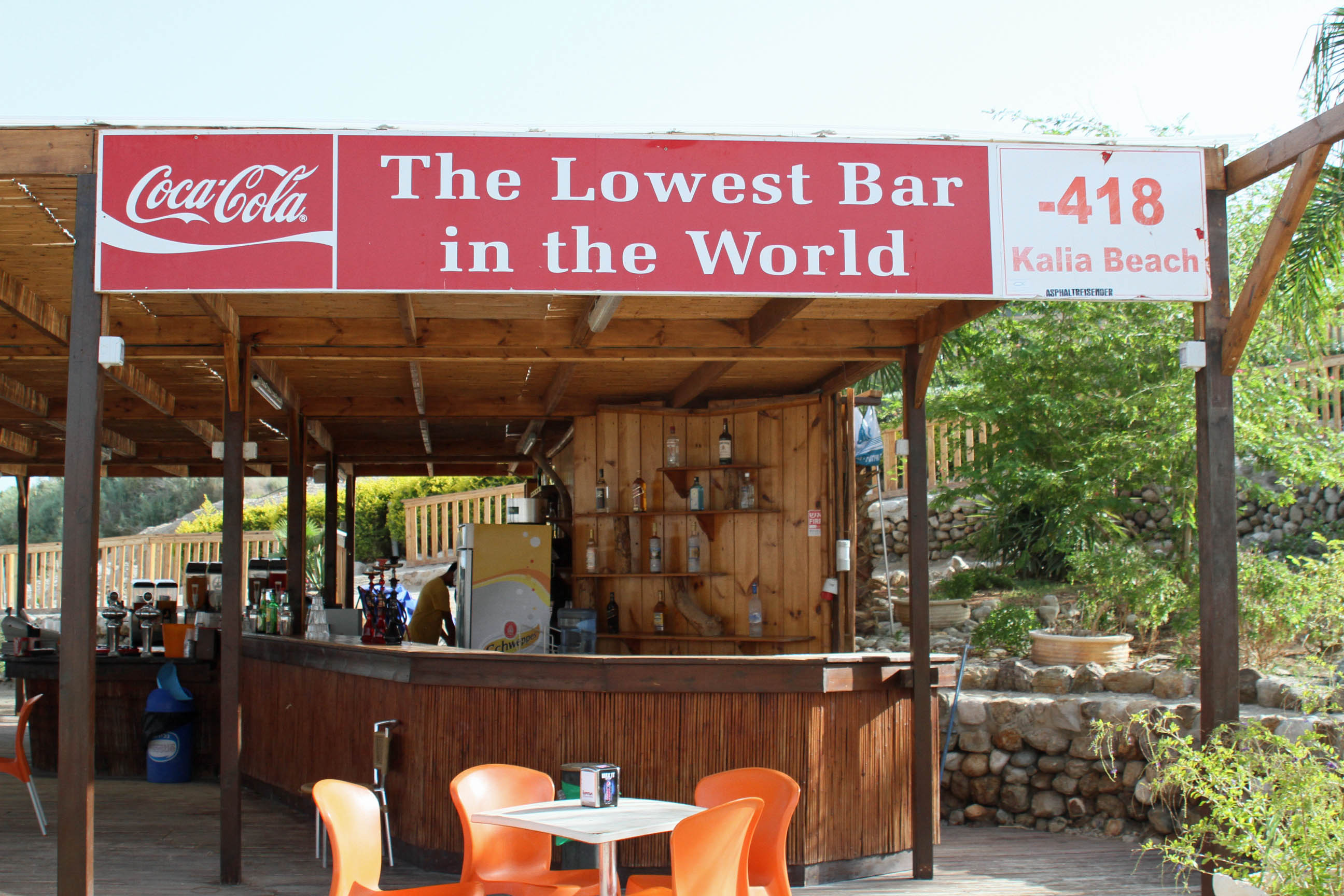
That night we stayed at a Kibbutz, a type of farming commune that was popular in Israel for a time. Many still exist in various types of forms. I was not impressed by this one—the Kalia Hotel. The pool closed early so we didn’t have time to enjoy that on this very hot day (kind of weird considering guests are usually touring during the day). There was a mix up about dinner (they didn’t serve it other than on Fridays and holidays) so we missed that and were treated rudely by the diva at the registration counter. So two thumbs down on that place.

Dead Sea Scrolls

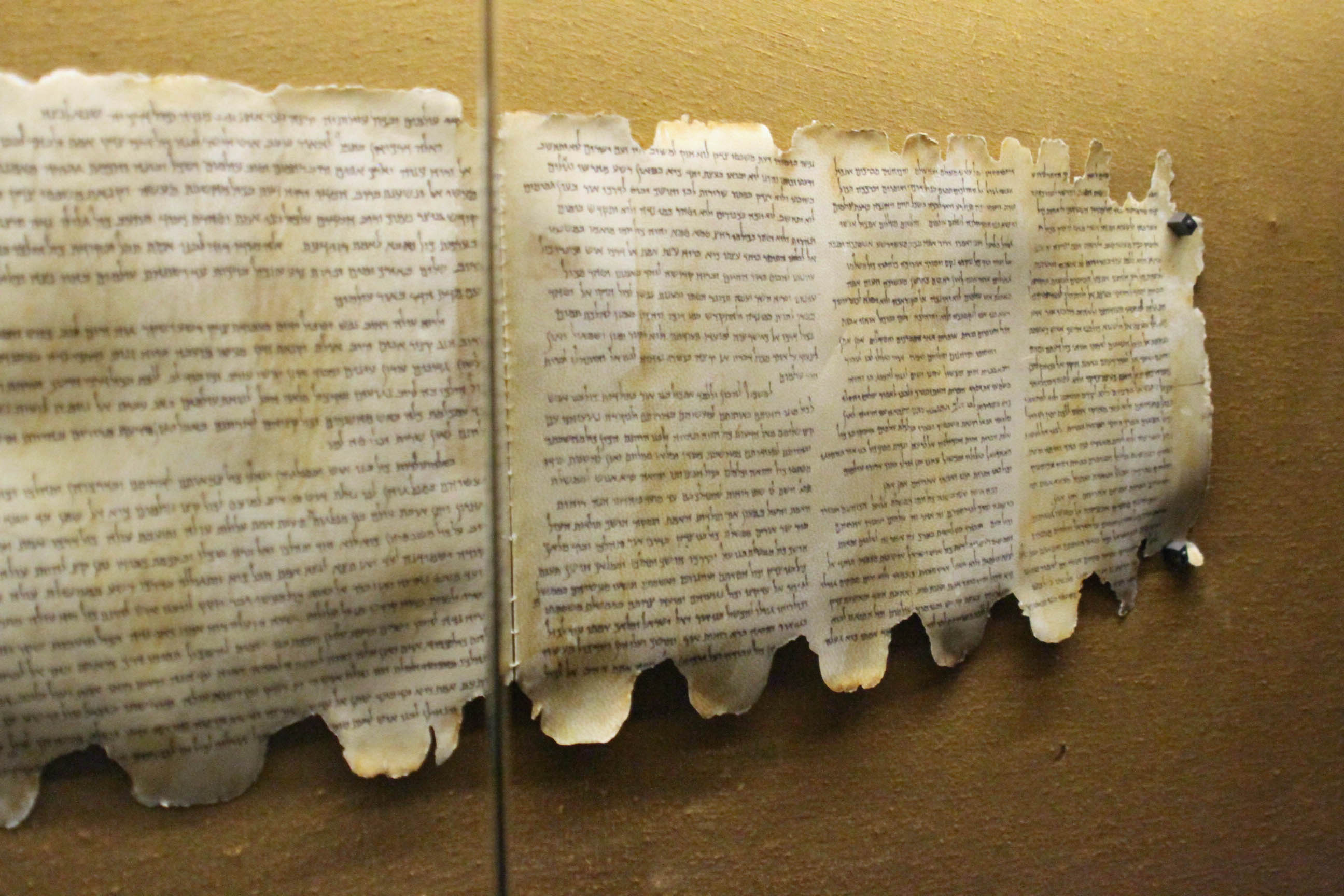
A portion of the Dead Sea scrolls at Qumran.

A portion of the Dead Sea scrolls at Qumran.

In the morning, we visited Qumran, the site where the Dead Sea Scrolls were found. Many years ago, a young Shepard boy was trying to get his goat to come out of a small cave when he discovered the jars left behind by members of the commune that lived there thousands of years ago. He told his father who told the local Sheik who sold them for a pretty penny. The area is very barren and is about a four day walk from Jerusalem. We learned more about how these desert dwellers survived using large water cisterns and planting date trees that sustained them in many ways. They prayed and wrote down spiritual stories in their scrolls, which they stored in air tight jars in caves to keep them safe.

All in all, the heat and desolation of this dessert area made me very grateful for our modern comforts—praise God for air conditioning and cars!

Next stop—our drive through the West Bank to the beauty of the Sea of Galilee.

View this clip from Ray Vander Lann’s series about the Dead Sea scrolls at http://www.rvl-on.com/clips/the-dead-sea-scrolls/.

Isaiah 48:21

“They did not thirst when He led them through the deserts. He made the water flow out of the rock for them; He split the rock and the water gushed forth.”

IMG_0646

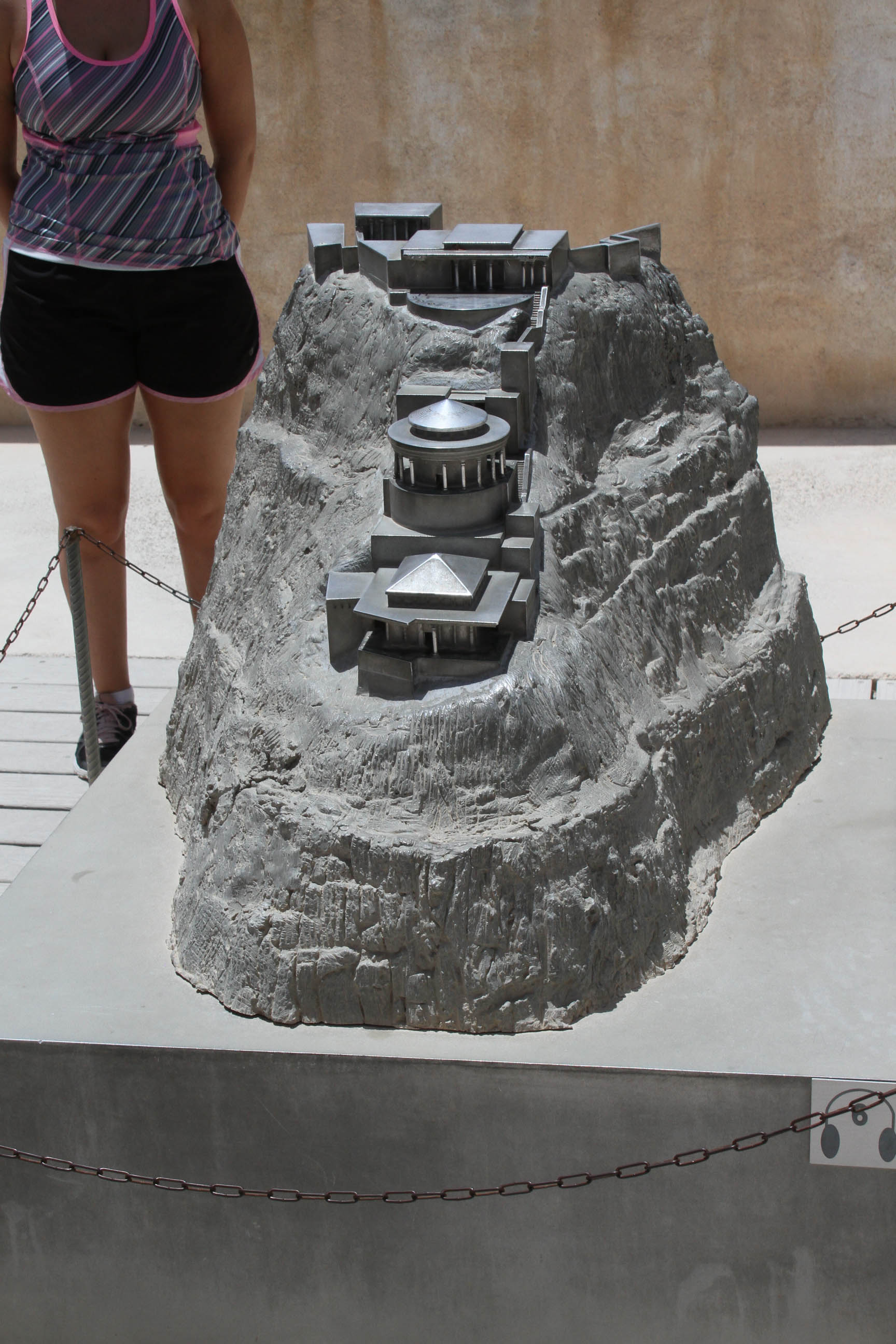
A replica of what the palace at Masada looked like thousands of years ago.

IMG_0664

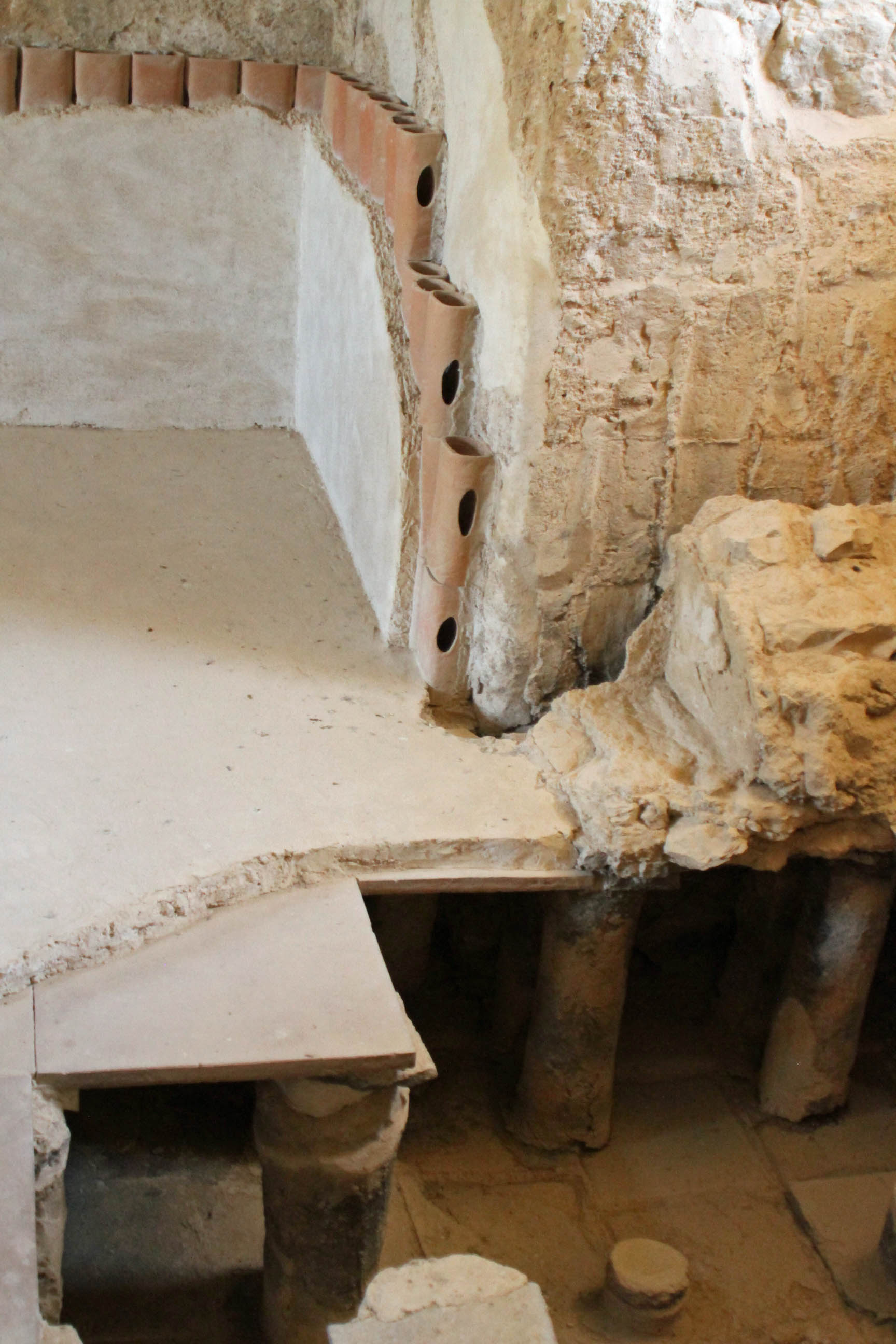
Excavations of the baths in the palace at Masada. You can see the steam pipes in the walls.

IMG_0636

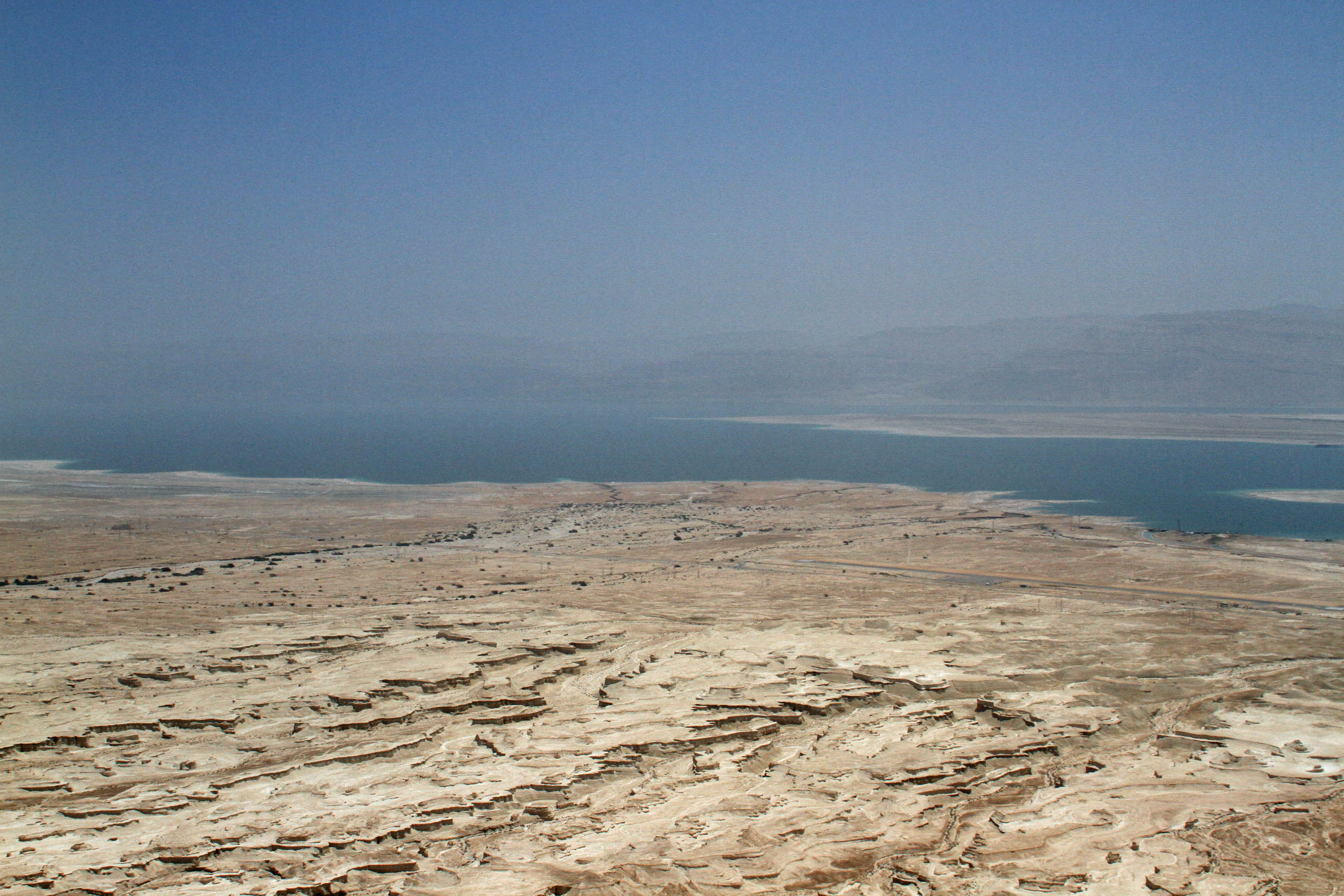
A view of the Dead Sea from Masada.

IMG_0676

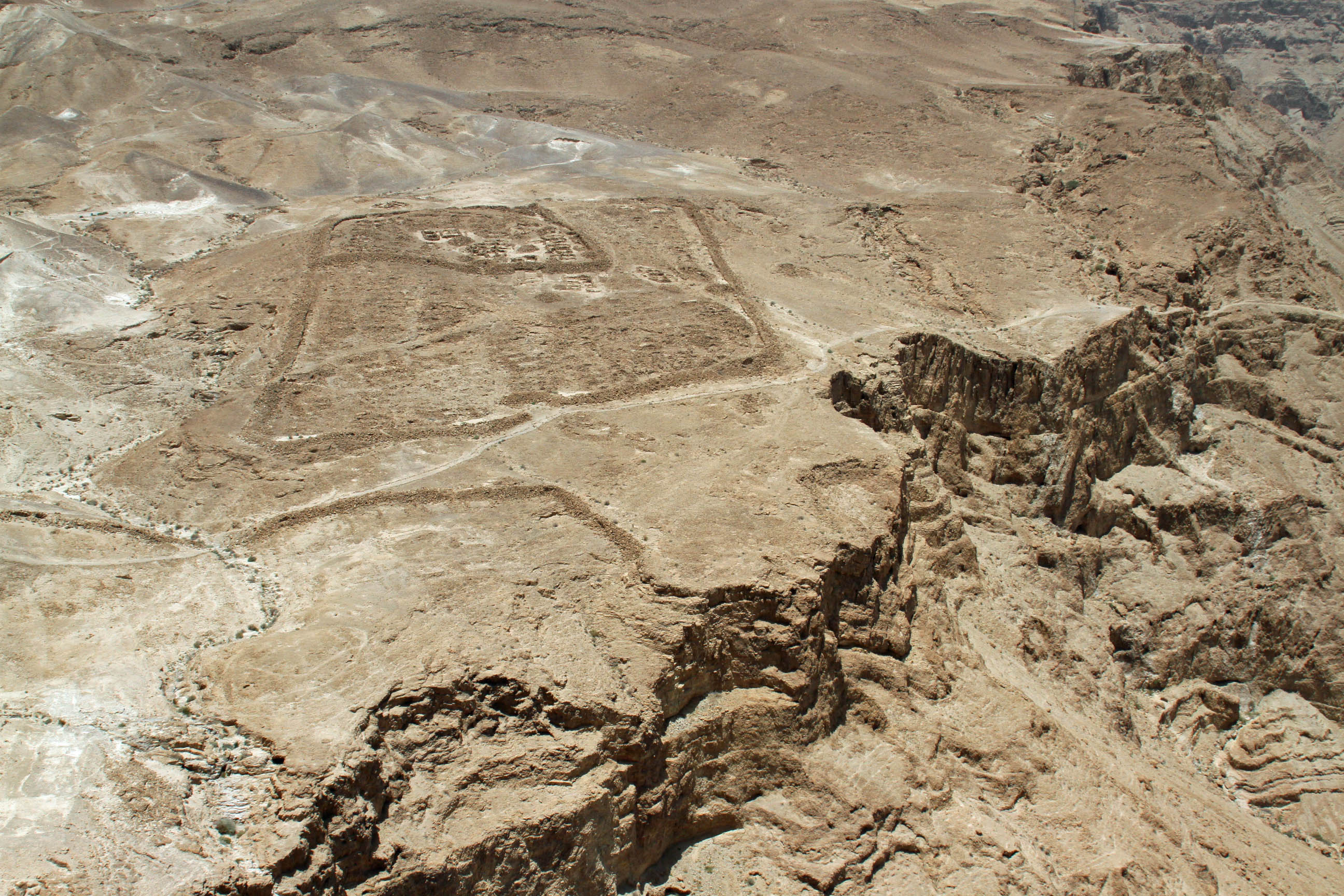
An outline of one of the Roman encampments below Masada.

IMG_0715

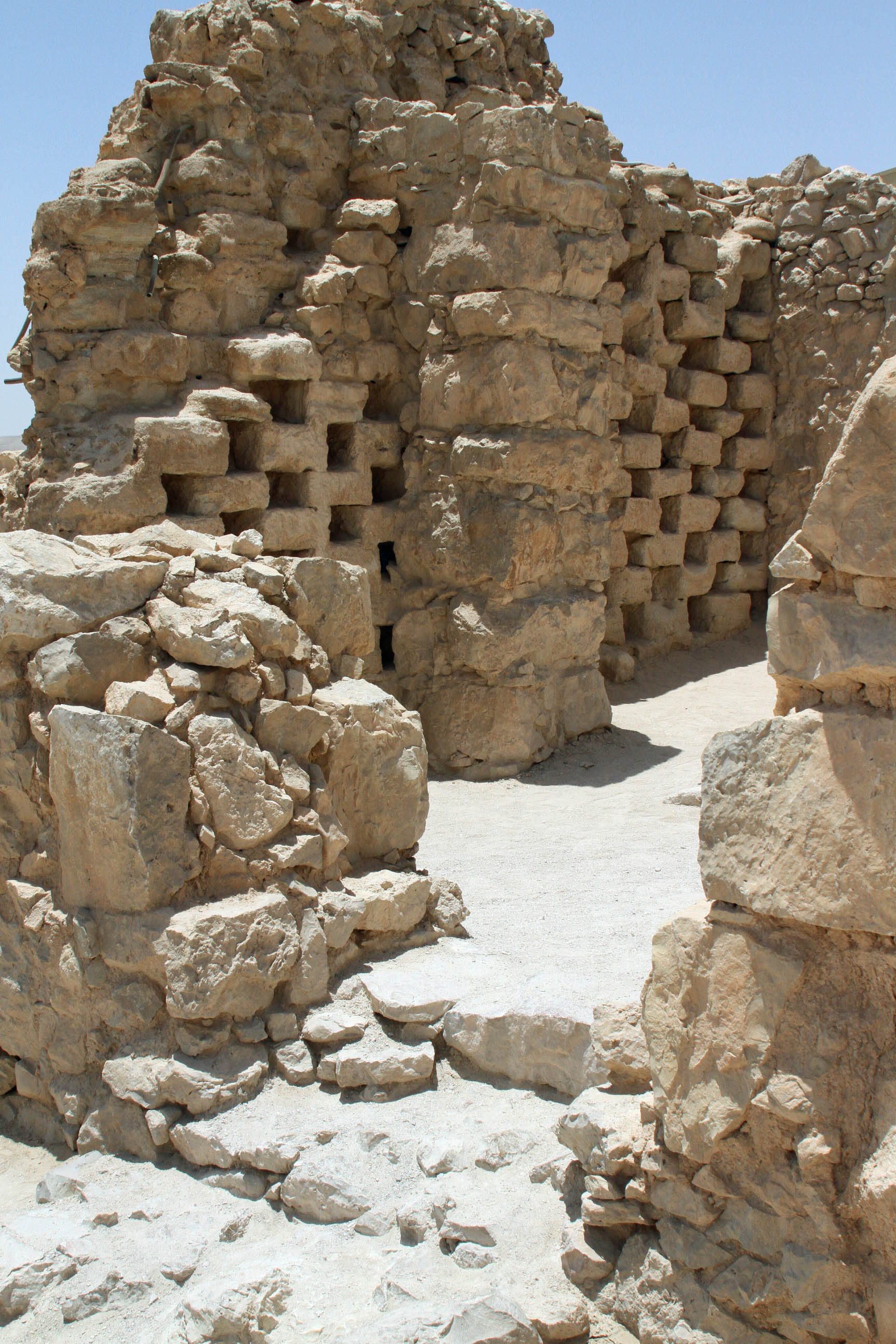
The dovecots at Masada.

IMG_0722

Looking down at the massive ramp built up by the Romans at Masada.

IMG_0688

One of the massive cisterns at Masada.

IMG_0777

The Christ Thorn tree at Ein Gedi.

IMG_0607

A view of the salt works (where they collect the salt) at the southern end of the Dead Sea.

IMG_0800

A bar at the beach along the Dead Sea.

IMG_0795

You can see how much the Dead Sea is evaporating by looking at the docks and resorts along the previous shoreline.

IMG_0794

Evidence of the super hot day in the Negev of Israel.

During our trip to the holy land, as our Jewish guide rested on the Sabbath, we took in a tour to Bethlehem. This little town, the birthplace of Jesus, is only a few miles from Jerusalem.

A massive wall with barbed wire separates the inhabitants of Bethlehem and Jerusalem.

A massive wall with barbed wire separates the inhabitants of Bethlehem and Jerusalem.

We were quite shocked to find a massive concrete wall with barbed wire on top lining the border between Jerusalem and Bethlehem. Our guide George, who spoke several languages, including clear and fluent English, told us that back in the year 2000, some terrorists were coming into Jerusalem and attacking people. So, a wall was erected and the Arabs living in Bethlehem stay on their side and the Jews stay on theirs. It has cut down on the violence but as we passed through the security area, it was sad to think it had to be put up in the first place.

A view of Bethlehem and the hills beyond.

A view of Bethlehem and the hills beyond.

A large percentage of the very small Christian population (many are Arab Christians) are concentrated in Bethlehem. I’m not sure if George was a Christian or not but he was well versed in our faith, quoting the bible with accuracy, and we found it pleasing to hear someone who spoke of Jesus and the holy family with excitement and knowledge of the faith.

The Milk Grotto

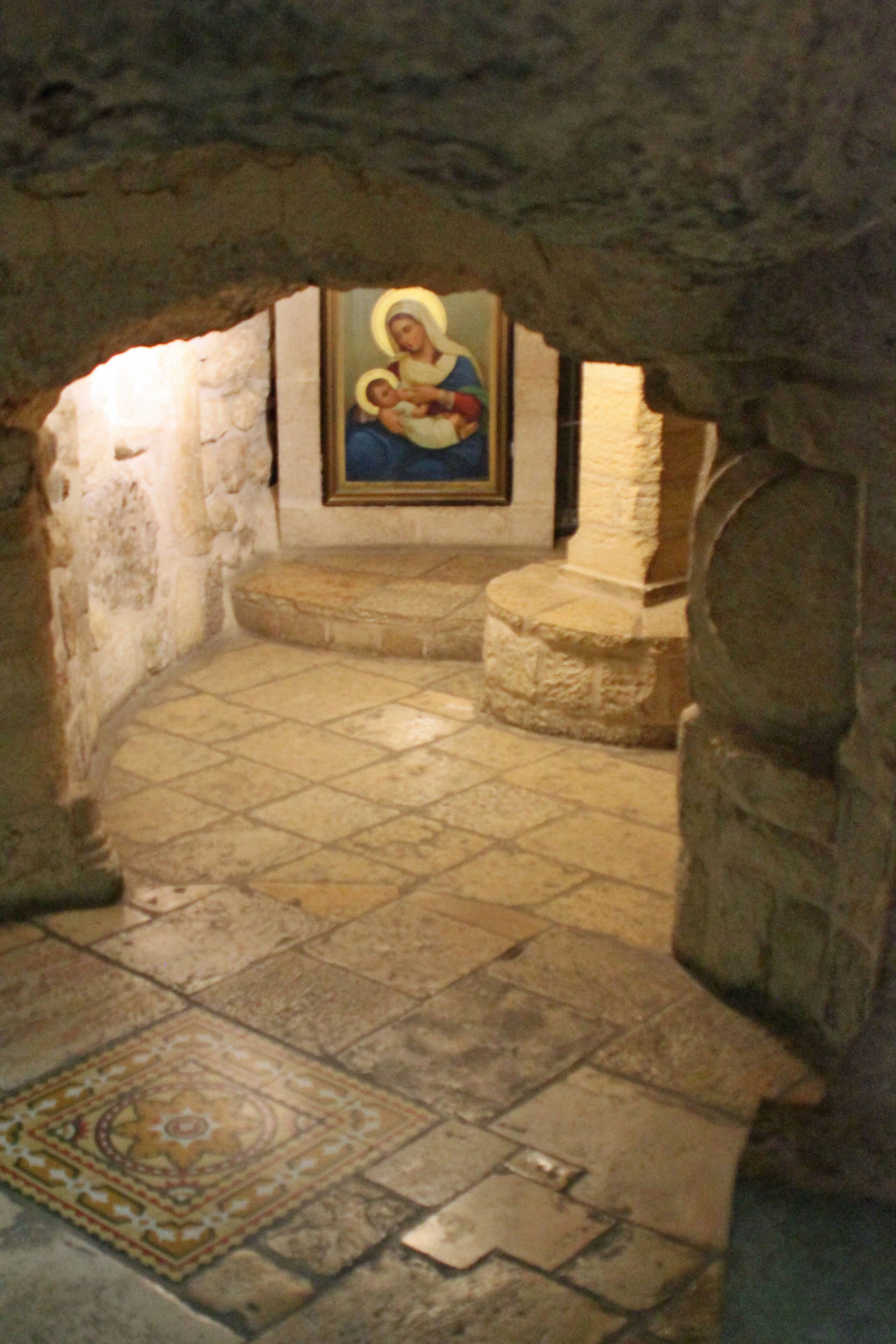
A section of the Milk Grotto.

A section of the Milk Grotto.

The bus took us along Manger Avenue and up a steep hill to our first stop, the Milk Grotto. As the holy family was escaping the town to get away from Herod’s soldiers who were ordered to kill all the baby boys, they stopped at this grotto so Mary could feed Jesus. Of course now it’s a church that is built in and above the cave. It was quite peaceful and simple there. It is said that a drop of Mary’s milk fell upon the stone and it turned white. The white chalky substance is now collected and sold—mostly to women who are trying to conceive or who are pregnant. Our guide very wisely said that it’s not really about the act of mixing the substance with water to get some physical benefit but rather about faith.

Shepard’s Field (Ruth’s Field)

Shepard's Field

Shepard’s Field

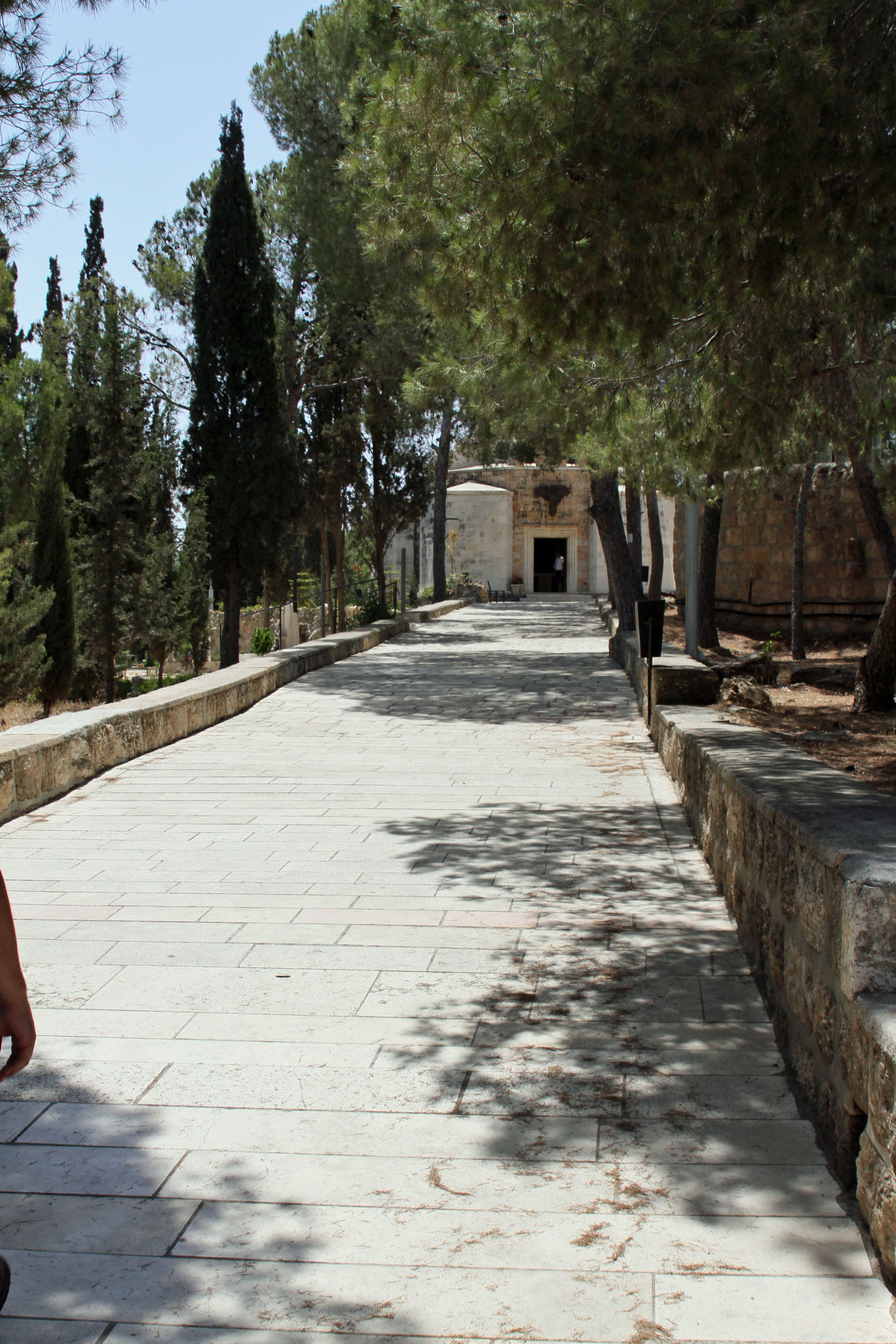
Down the narrow curvy road we went and on to the Shepard’s Field. Another church with gorgeous mosaic paintings surrounded by an excavated area and park marked the spot where the Shepards of bible times hung out. These Shepards were blessed with the good news of Jesus’ birth, having heard the announcement from heavenly angels.

The Shepard’s Field is also called Ruth’s Field. Ruth’s story is one of my favorites. Ruth and her mother-in-law were poor widows and they relied on the kindness of the local farmers who obeyed God’s law regarding setting aside corners of their fields for the poor to harvest. Ruth worked hard to glean the grain left behind after the harvest and caught the eye of Boaz, a good man who protected her and eventually became her husband. Boaz and Ruth are Jesus’ direct ancestors.

The spot under the altar marks the place of Jesus' birth.

The spot under the altar marks the place of Jesus’ birth.

Church of the Nativity

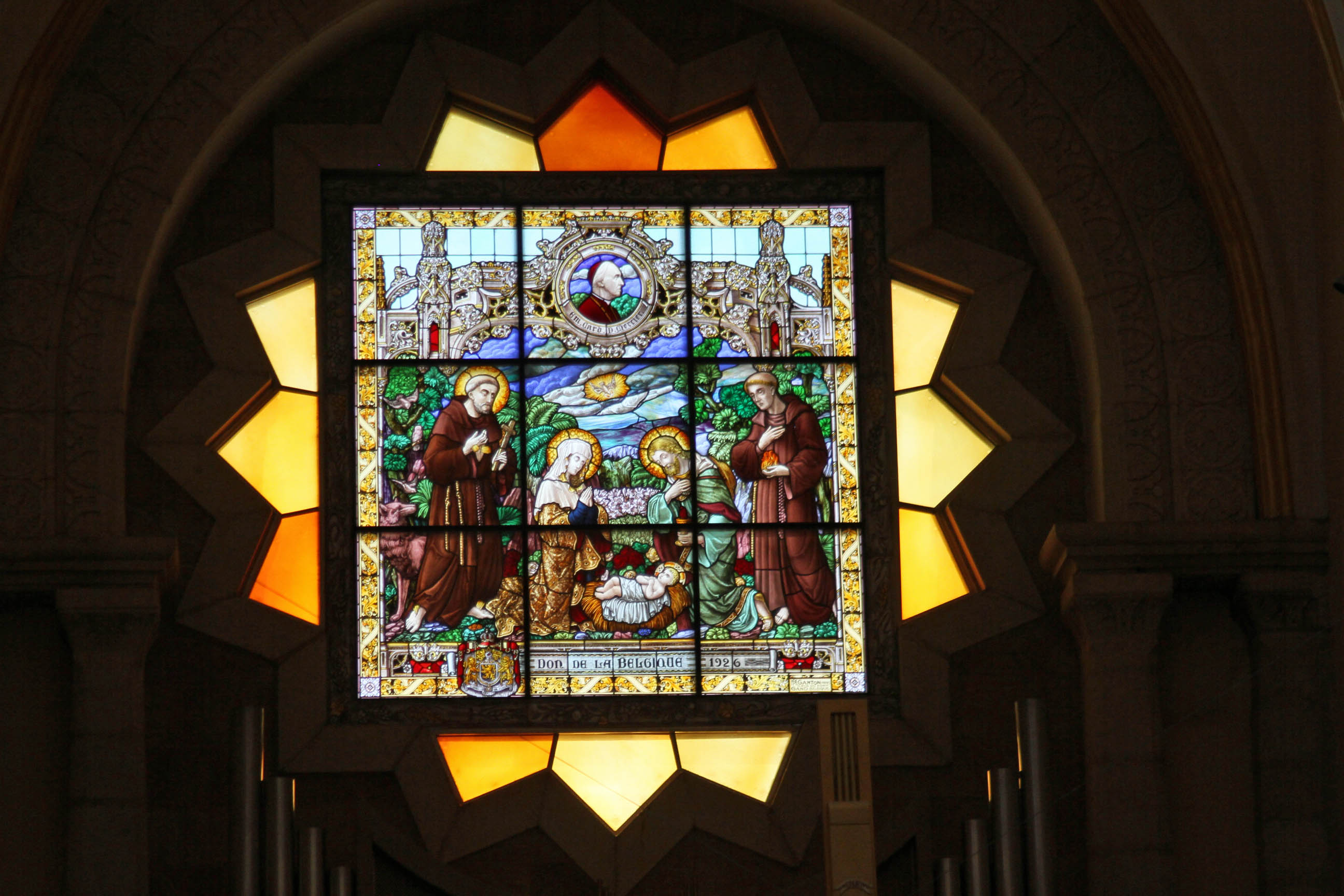
Our next stop was the Church of the Nativity. This church was the only Christian holy site not destroyed in 614 A.D. by the invading Persians. Evidently they saw a mosaic on the church facade depicting the Magi dressed in Persian attire and thought it was a shout out to their prophet.

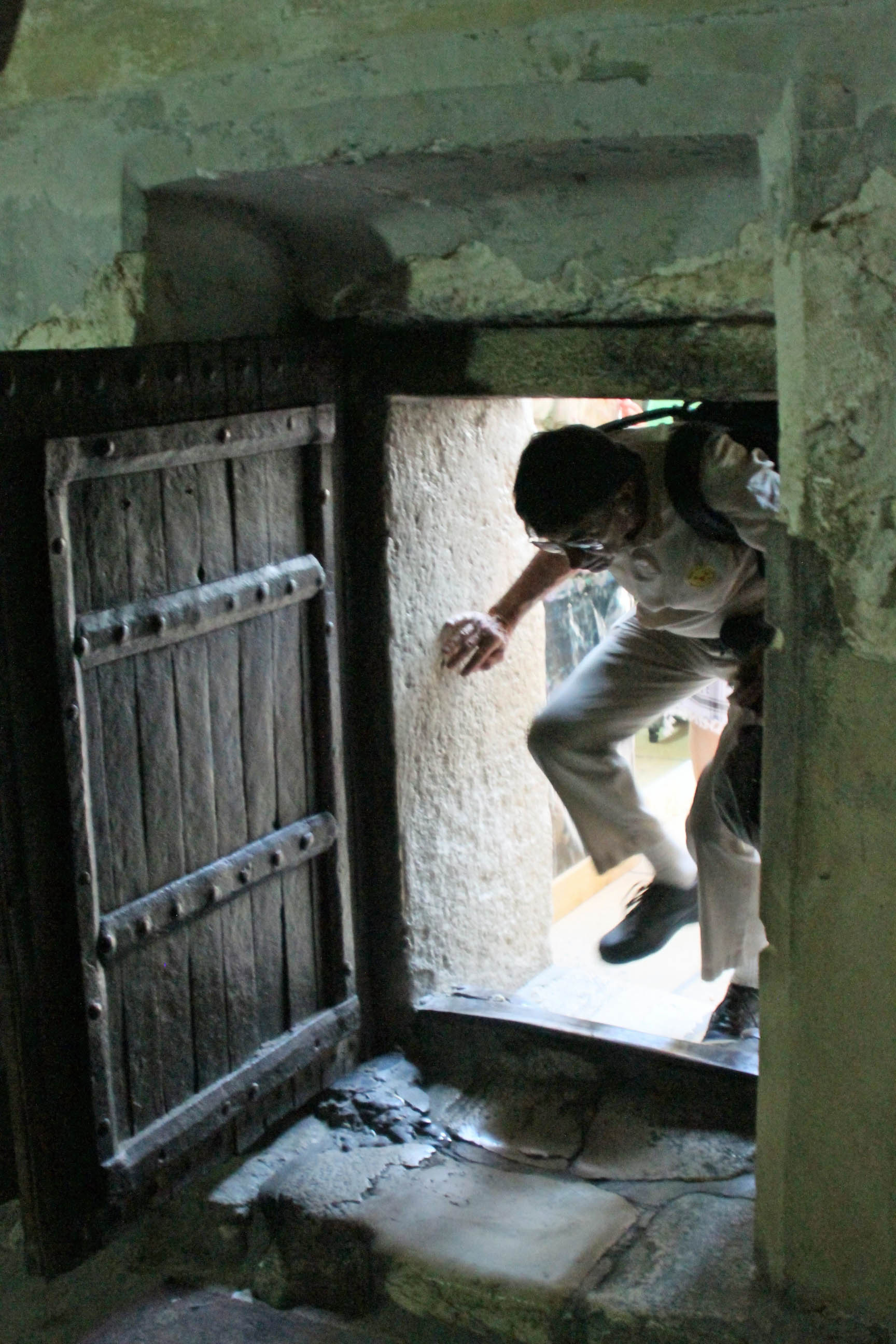
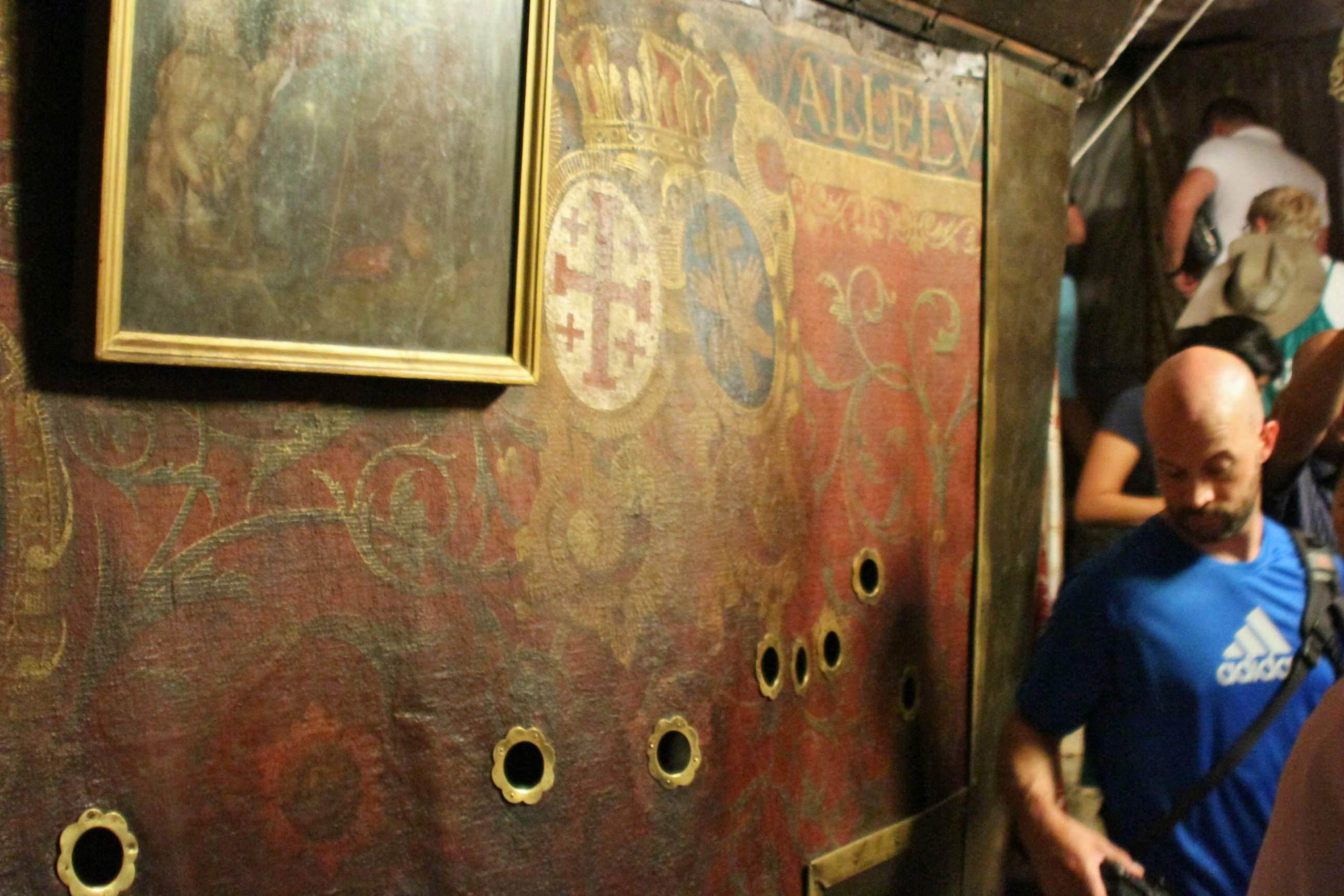
Lots of crowds headed toward this seemingly non-descript church off the narrow street on top of one of the hills of Bethlehem. We entered single-file through a low-framed door and made our way over to an area that covered a cave. As with some of the churches in Jerusalem, the orthodox sects that had a presence within this church decorated the area with paintings, tarps, depictions of Mary, incense burners, and relics among other items.

Dad has to stoop low to enter the Church of the Nativity.

Dad has to stoop low to enter the Church of the Nativity.

We waited in line to descend steps into a small area where there was an altar above the place where Mary gave birth to Jesus. The walls were covered with thick tarp and there was another altar where a couple of priests were offering communion to a few visitors. We took our turn and bent down to touch the rock under the altar. I lingered for a few minutes wanting to breathe in the Holy Spirit and to try to meditate about this holy place and what happened there 2,000 years ago. But alas, with a tour group, we were moved along to walk through the church. Below one area was a cave where the holy family lived for a time and where Saint Jerome spent time meditating and translating the bible into Latin (the first time that was done).


IMG_0482


The Obligatory Gift Shop

Our tour ended at Johnny’s gift shop where we found an assortment of goodies—many carvings of the nativity, crosses, and more from a special wood found locally. Not much wood is found in Israel, so this was somewhat unique.

The afternoon was spent strolling through the Old City shopping before we started our journey east.

Ruth 1:16

But Ruth replied, “Don’t urge me to leave you or to turn back from you. Where you go I will go, and where you stay I will stay. Your people will be my people and your God my God.”

IMG_0339

I thought this was a little funny–a place near the Church of Nativity.

IMG_0379

One of the beautiful paintings on the walls of the church at the Shepard’s Field.

IMG_0402

A view of the Church of Nativity. Some construction was going on and it was tucked in off the street.

IMG_0413

The lavish decorations adorning the walls over the entrance to the cave where Jesus was born.

IMG_0416

These items were in a case near the entrance to the birth cave.

IMG_0434

Down in the birth cave inside the Church of the Nativity, a small area was being used by some priests and nuns for prayer and communion.

IMG_0435

Down in the cave on the walls around the rock under the altar where Jesus was born, tapestries and paintings hung.

IMG_0442

This beautiful mosaic floor is partially uncovered in the Church of the Nativity.

IMG_0450

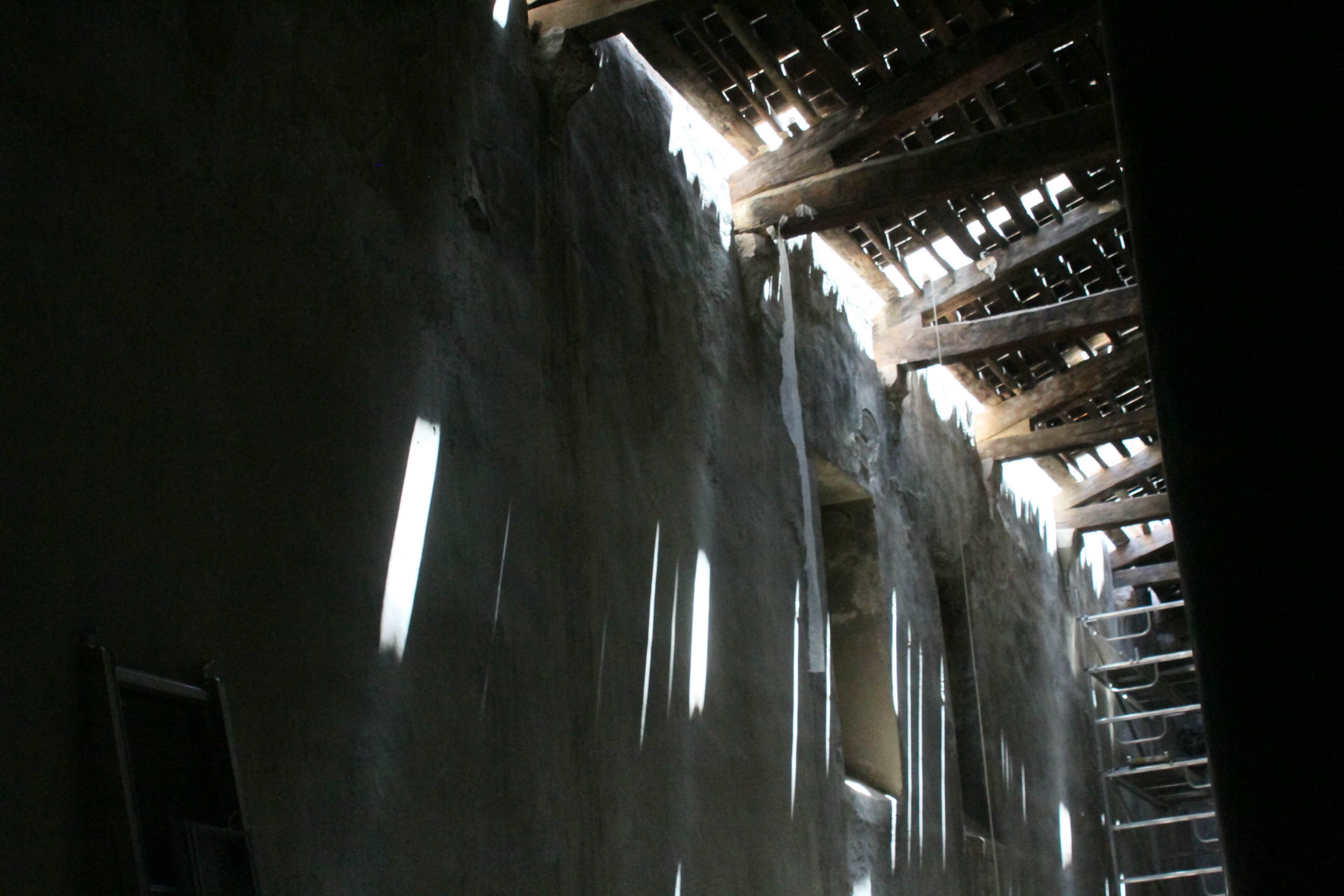
Leaving the area where the birth cave was located and walking into another church connected to it where the holy family lived. The walls reflect the light coming through slats in the roof.

« Previous PageNext Page »