travel


I wrote another post with that title a few years ago but it was appropriate again so I reused it. I used to sing the “I’m going lion hunting” song at camp and it was in my head over and over again as we drove through the Serengeti.

The Serengeti Park is an animal-lover’s paradise; just don’t drive over 60 kph or the ranger speed trap will get you. Our driver assured Mr. Ranger that he couldn’t possibly go that fast on this bumpy highway (I called him on that after we left the police stop, and seeing him zip right past 60 in a hot minute). But back to the game drive—which turned out to be one WOW experience after another.

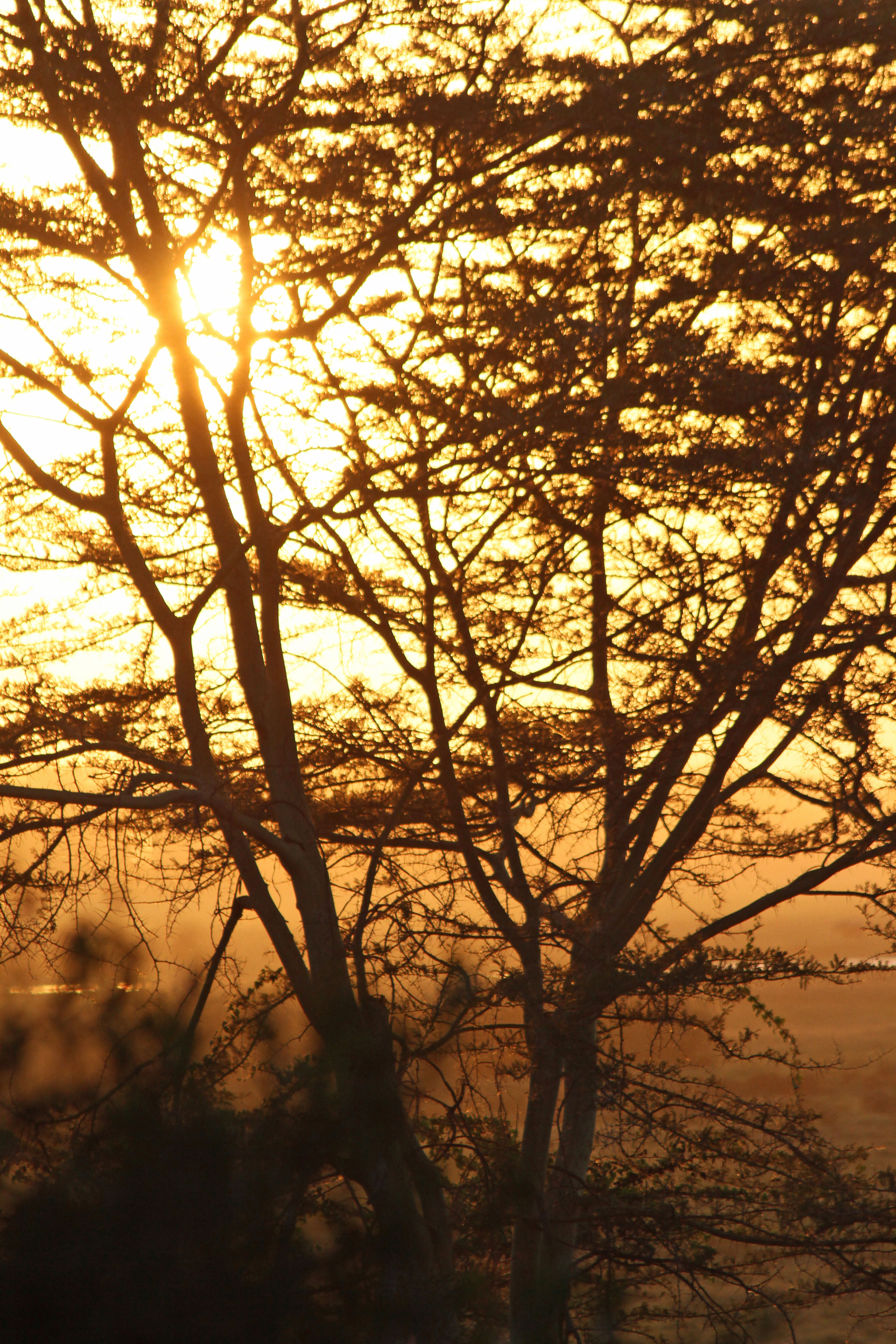
We set out before dawn to see the animals in action. As we drove through some burnt fields (they burn the fields to keep the grass fresh), the sun began to rise. In Africa, so close to the equator, the sun rises in an instant. It was wonderful to see the orange and pink colors in the horizon and the big ball pop up, poof! A few minutes later we came upon a jackal having breakfast. Now for the most part we can expect and accept the fact that there are carnivores out there and they have to eat. However, the jackal doesn’t make clean kills like the lions do. Nope, we witnessed a brutal, long, repetitive attack. So, moving on…

More eating, but this time we came after the kill. We still got to see part of the zebra floating in the creek, and the crocodile who dined on him was so big in the midsection, he had to sit tight on the bank and hang out while his meal digested a bit. Evidently they stay that way for days and only need to eat big meals like that every six months give or take. That doesn’t mean they won’t kill in between, they just don’t need to.

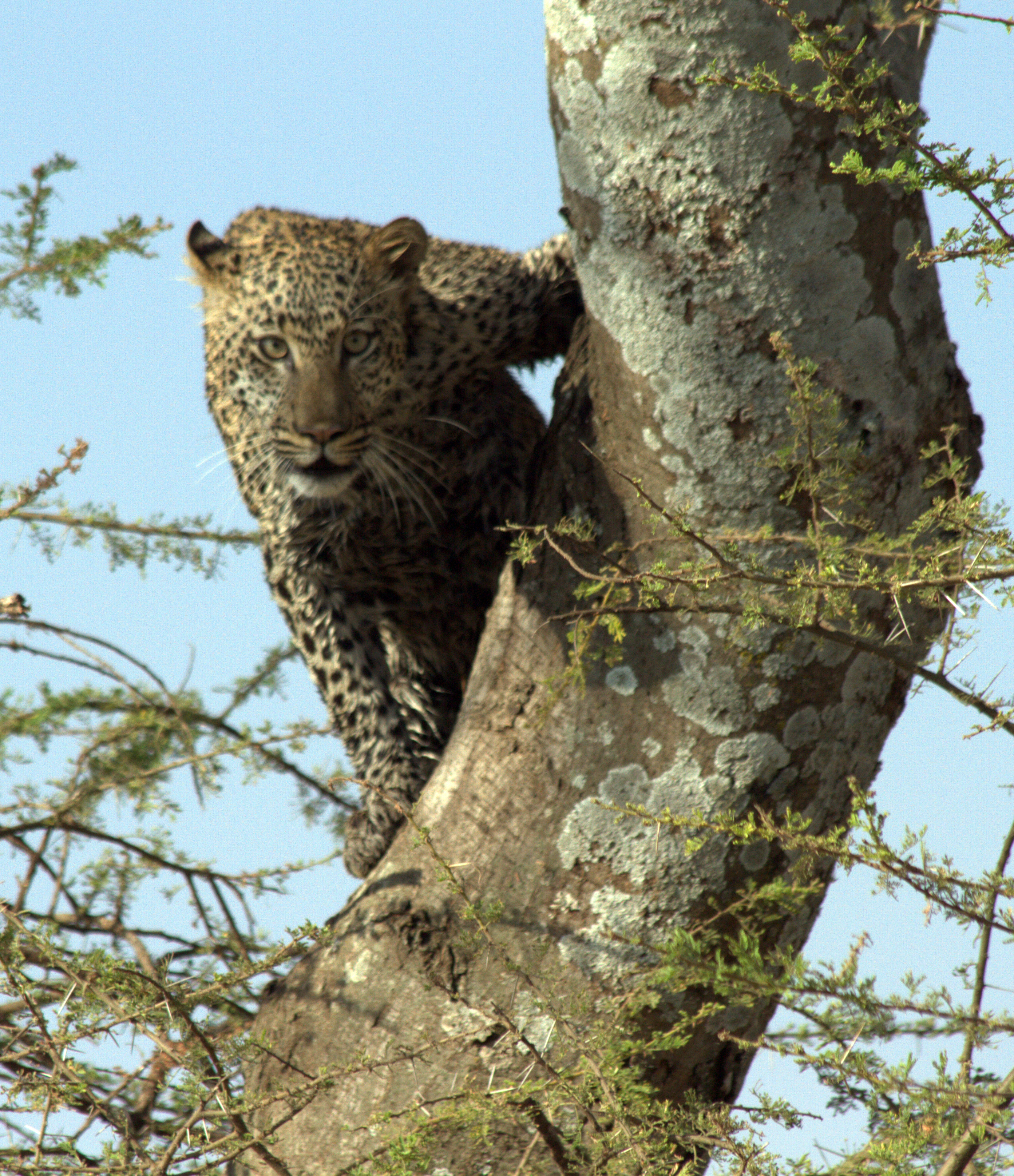
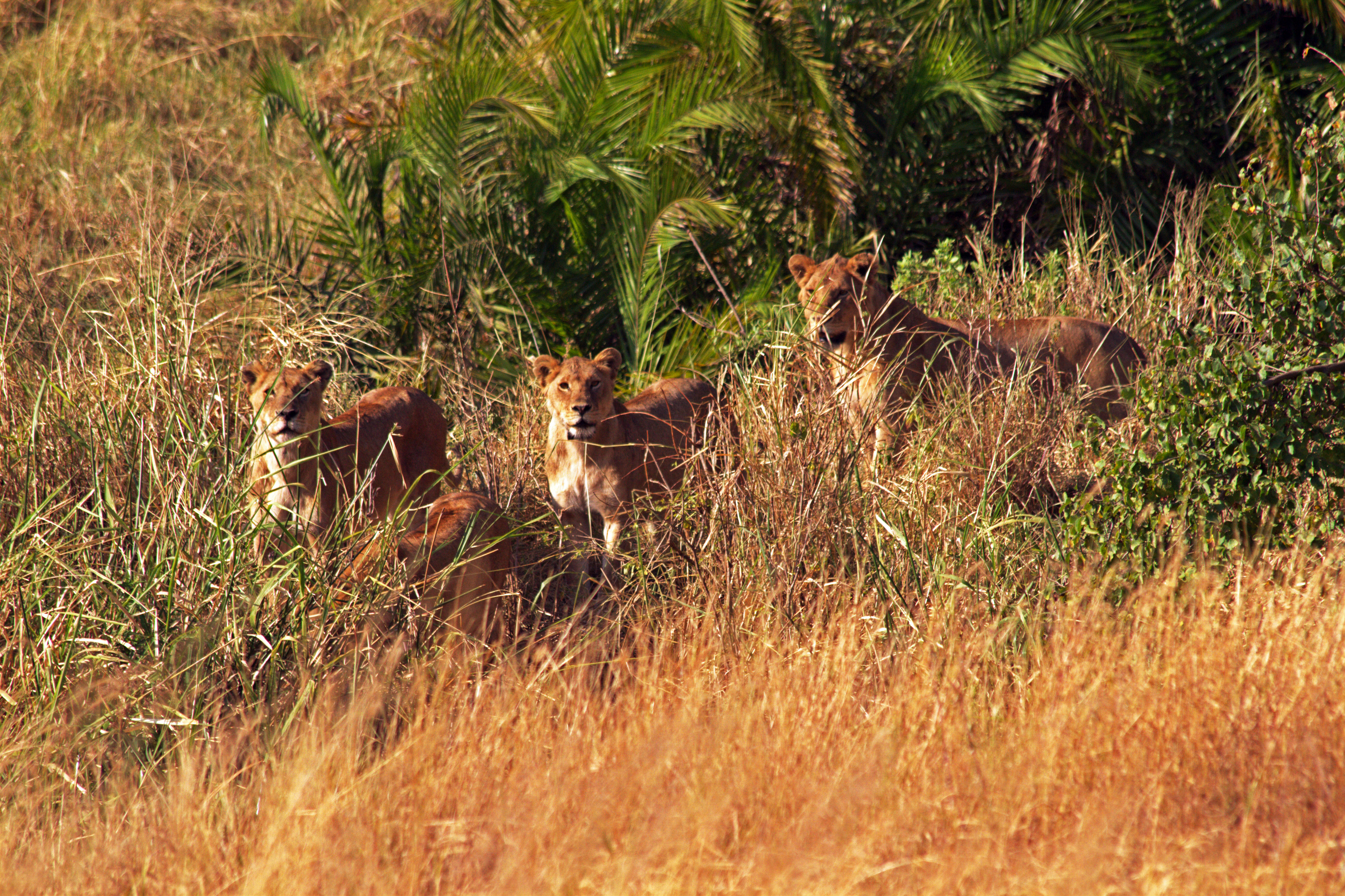
As we moved slowly along the areas of tall grass, our traveling companion spotted a tail in the distance. Yup, a lion was headed this way. And then a minute later, without warning, her buddy who had been scouting out ahead of the pride made a move that sent a leopard scurrying up the tree right in front of us! Leopard sightings are rare so this was a treat. But hold on folks, it just gets better. Dad spotted another leopard climbing another tree in the distance! Our sweet girl’s hubby was sitting on top of an acacia tree keeping an eye on the pride below. Our girl up front near us slowly climbed higher and higher. Knowing she was capable, I still prayed out loud for her not to fall. These leopards were beautiful and we had the rare privilege of seeing two being chased by a pride of lions. Holy cats, batman! Even our driver guides were excited. After awhile, the lions gave up and left and then we moved on to the next encounter.

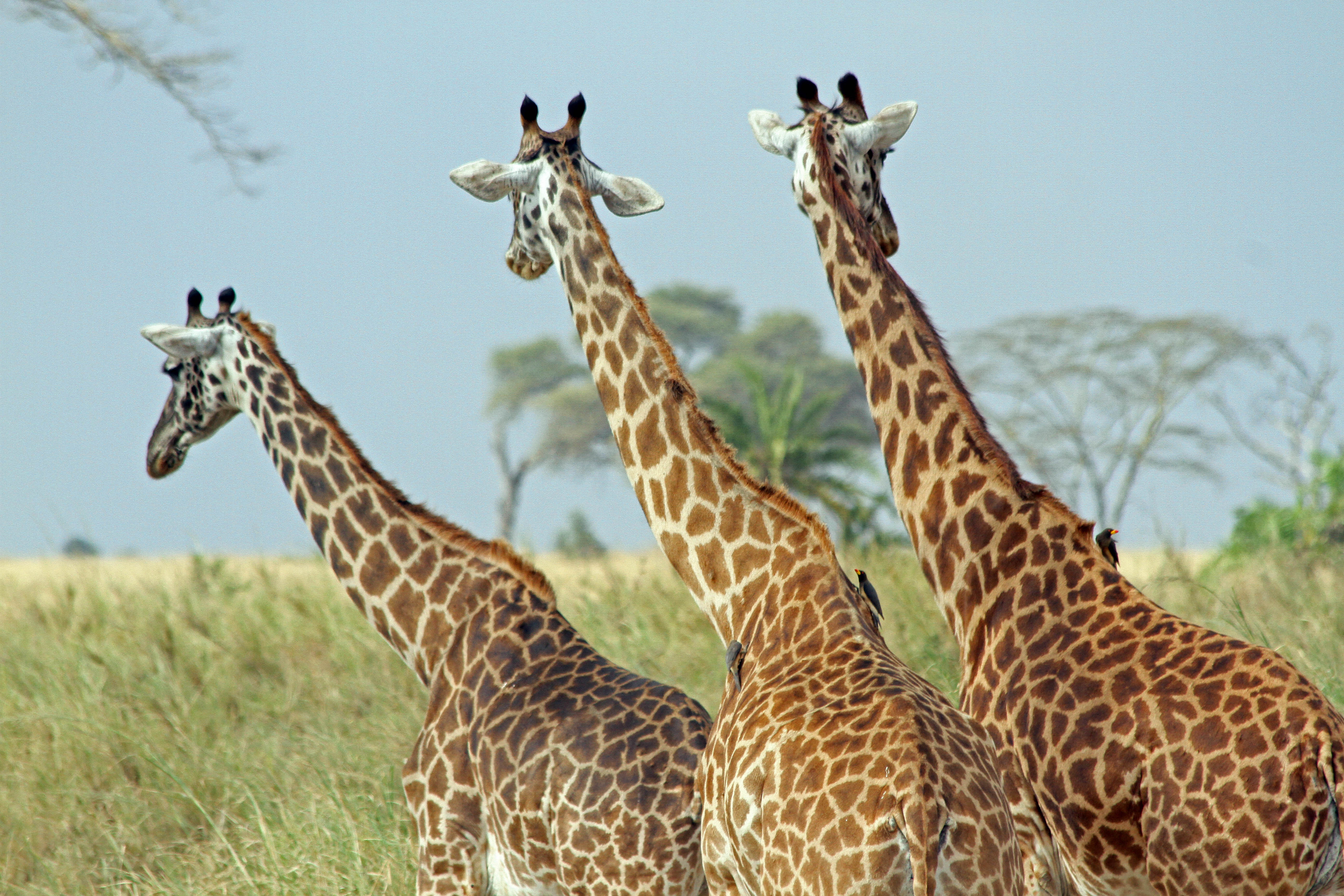
Througout the morning we were treated to sightings of a group of giraffe crossing the road, some more hippos (love them hippos), gazelles, waterbucks, topi, more wildebeest, elephants, baboons, zebras, and a group of young male lions. All of those sightings were spectacular—even the colorful birds in the trees and the foliage along the water.

Our final big sighting was a male lion who was resting comfortably (or so he seemed) under the shade of a tree that was located right at a crossroads, which of course attracted lots of jeeps and tourists. I was surprised to see him so close to a hippo pool since we were told they like to avoid the big swimmers. We got to see him up close and his face looked like Rocky Balboas after the Russian kicked his butt. He didn’t seem to mind and I thought he was still very beautiful.

On our way back to the hotel, we drove through a tsetse infected area and were besieged for about 10 minutes. That was the one and only time on the entire trip that we encountered the flies. In fact, after all the hubaloo about insect repellant and nets, covering, and medicine, the reality was that we were just not in areas (except this one) that had any real issues. It could have been the time of the year and also they don’t travel up to the high altitudes where we spent some of our time. In any case, I took my malaria pills faithfully just in case.

In the morning we drove over to the airstrip to take off for Arusha. But before we got there we had a little stop to look at a pair of male lions eating breakfast. It looked like a nice big animal—I got a few shots of one of the lions making off with a leg. Off in the distance with mouths watering were about 14 hyenas. I’m not sure how long the lions got to eat before the hyenas made their move—we didn’t have time to witness that.

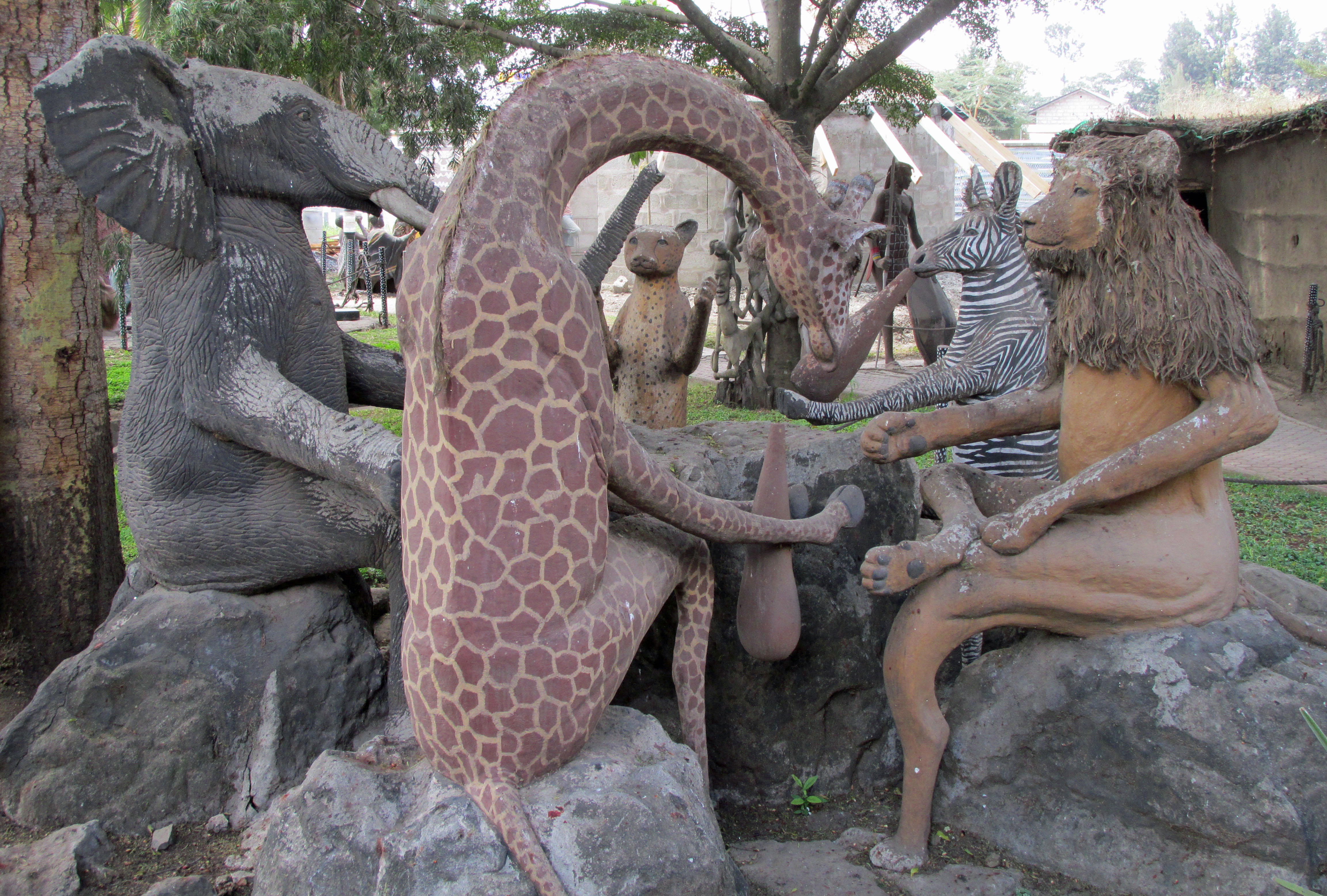
Our plane took us over the Ngorongoro Crater and the Serengeti plains. In the distance the weather cleared (very unusual) for a beautiful view of the top of Mount Kilimanjaro. We arrived in another airstrip in Arusha. These airstrips are really fun—no security, no set schedule, dirt runways—all in all a nice way to travel except for the tiny planes. Off we went to the Cultural Heritage Center to eat lunch and shop. I wish we had more time to explore the artwork and talk to the artists there. But we did manage to shop and instead of the super expensive Tanzanite I wanted to buy, I took home a kitchen magnet and some photos of cool sculptures.

From Arusha we drove over the border and into Kenya. Once again I was photographed and fingerprinted both exiting Tanzania and entering Kenya. They love me, I’m telling you. Through the dirt roads of Kenya we made our way to Amboselli Park and more adventures! Until I can entertain you with the tales of Kenya, rent the movie Out of Africa—I watched it last night for the first time and loved it!

“I had a farm in Africa.” –Out of Africa

Other African Safari posts:

The breakfast of champions.

The breakfast of champions.

IMG_7776

Sunrise on the serengeti

IMG_7742

Mount Kilimanjaro

Cultural Heritage Center. "The big game."

Cultural Heritage Center. “The big game.”

IMG_7684

The hyenas wait there turn (or for enough of them to attack) at a chance at the lion's breakfast.

The hyenas wait their turn (or for enough of them to attack) at a chance at the lion’s breakfast.

IMG_7463

Mr. leopard high atop an acacia.

Mr. leopard high atop an acacia.

Looking for a way out...?

Looking for a way out…?

IMG_7420

Jackal has some breakfast--a poor gazelle.

Jackal has some breakfast–a poor gazelle.
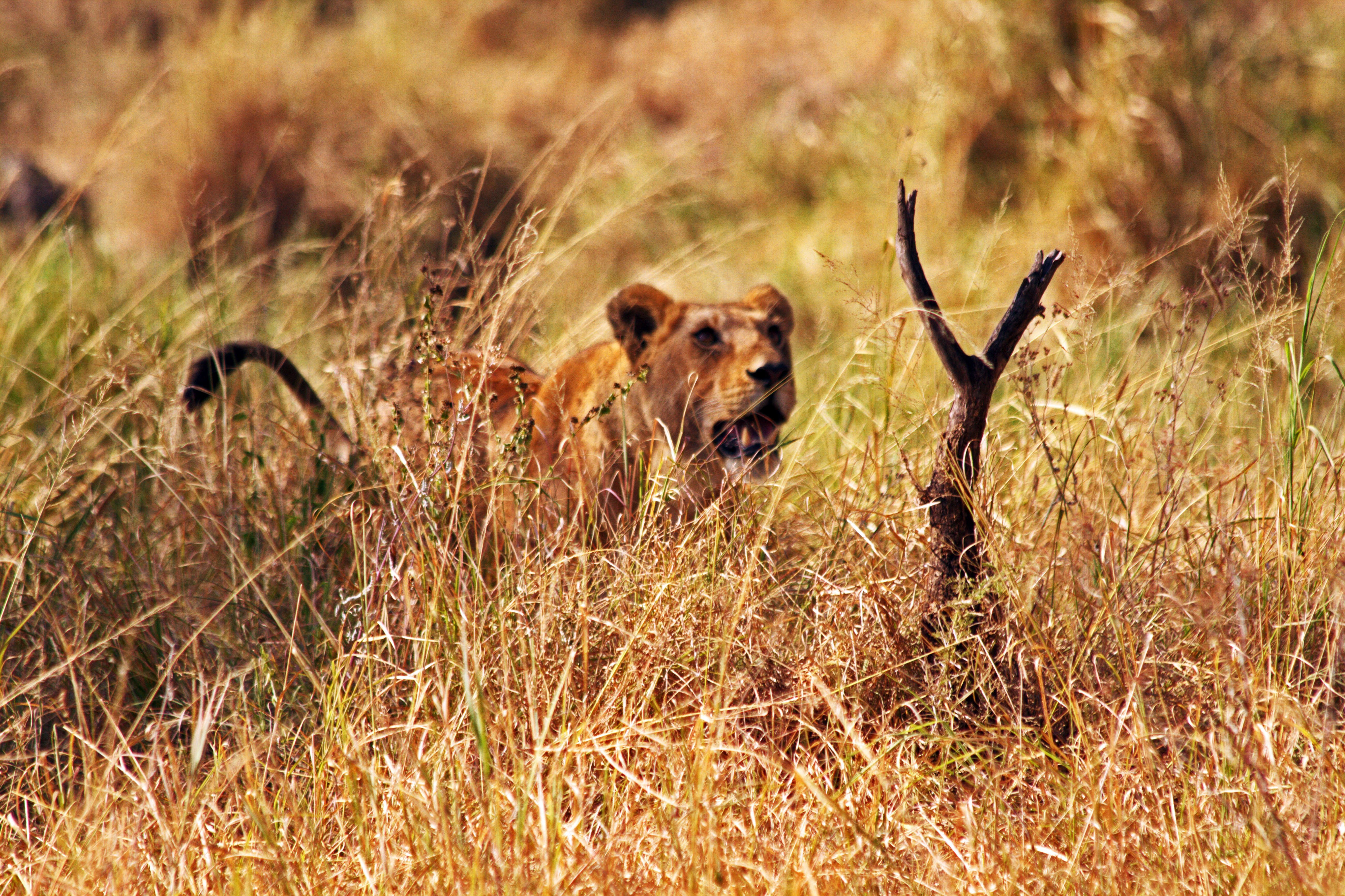
This girl chased the leopard up the tree.
This girl chased the leopard up the tree.

The pride who want the leopard for lunch.

The pride who want the leopard for lunch.

Fat croc digesting a zebra.

Fat croc digesting a zebra.

IMG_7344_edited-1

Masai giraffe (and their bird friends). A group of them (maybe 6-8) were hanging out near the watering hole and crossed our path.

IMG_7225

Day four of the safari itinerary had us stopping off for a bit of culture as well as archaeology and “history.” I put that in quotes because the theories on how old mankind is and our origins are a source of hot debate.

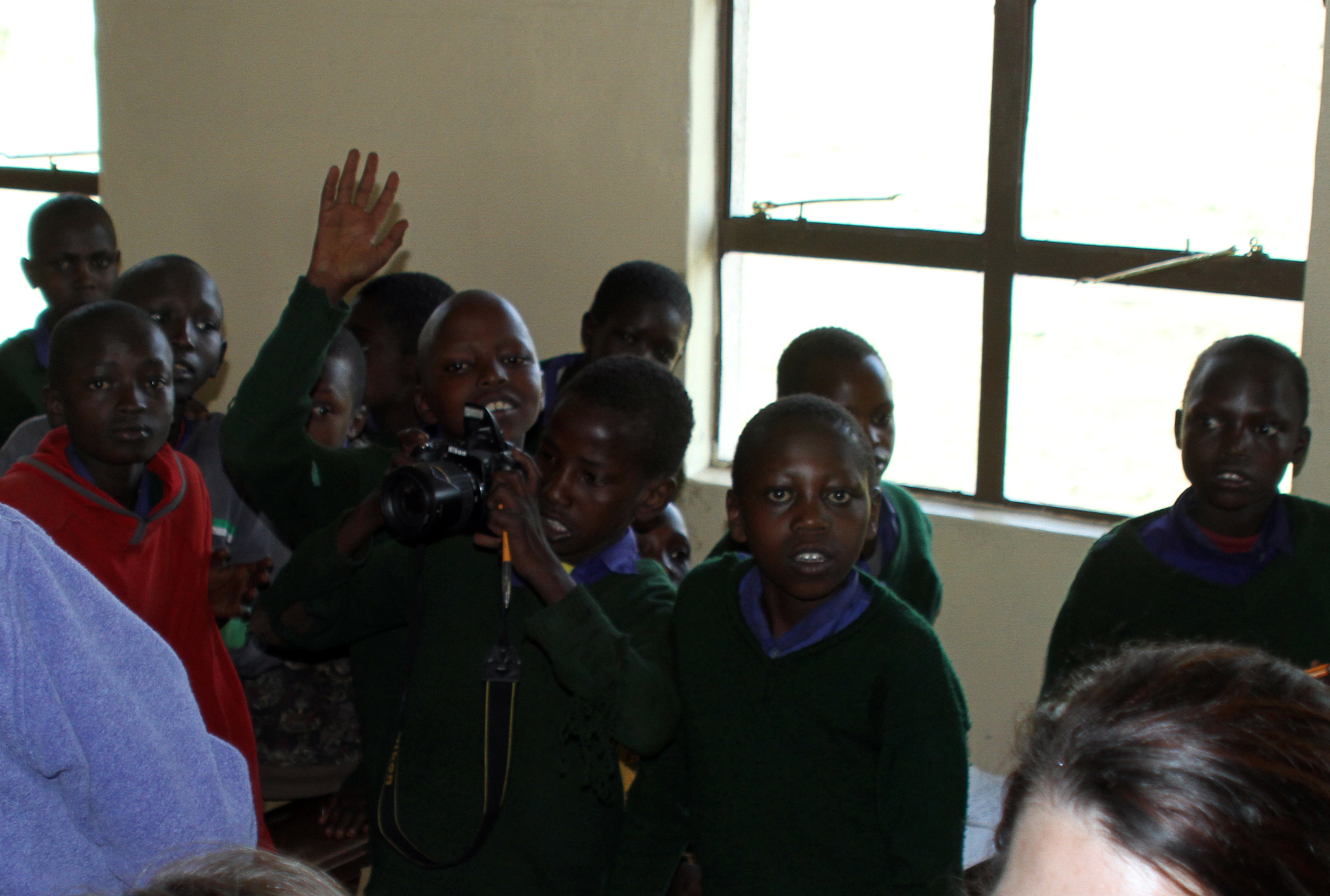
But first things first. Just out of the hotel area we stopped off at the local school that was created to serve the Masai children living in the area. The government has made school mandatory and while more and more kids are going, still some little guys can be seen by the road during the day begging tourist jeeps for money while they tend the cattle. We were very impressed with kids and the school. Remember hearing your parents tell you how they used to walk a mile uphill in the snow to get to school? Well these kids literally walk up to two hours each way (with wildlife walking about by the way). They show up in uniforms, share books and supplies, and cram into benches. They were very well-mannered, smart, and had the most amazing smiles. We spent a few minutes with them letting them take pictures with our cameras (they loved seeing their images in the LCD screen) and then I spent a few minutes trying to figure out what buttons they pushed and how to undo the new settings on the menu. There’s no A/C or heat (it does get cold up in that altitude) and only a few toilets for hundreds of people. They need food, supplies, transportation, toilets, and more. Education has been very effective in helping these folks become healthier and it gives them some hope to live beyond poverty. Tauck Tours gives back to the places they visit and schools like this one are one of the beneficiaries of their goodwill.

The Origins of Mankind?

Now, after singing goodbye with the kids, we were off to visit the Oldapai Gorge where the famous archaeologists, Louis and Mary Leakey made some remarkable discoveries, including what is believed to be the remains of the earliest known hominid. A fun side-note where we can laugh at white people for a minute. The Germans came to the area and mispronounced Oldapai and called it Oldavai so the name has been promoted and pronounced wrong for decades. Oldapai is the Masai name for the Sisel plant that grows in the area. Whatever the official name is, the local dudes selling wood carvings of giraffes and hippos told me to call it Oldapai.

The area is an archaeologist’s dream because of the erosion of the distinct layers in the ground. Over millions of years these layers changed due to conditions of the earth at the time and some left really awesome fossil evidence including some footsteps taken by early men.

Giraffes Necking

After checking out some bones and the scenery and learning about the less than stellar character of  Louis Leakey, we got into the jeep and Pascal, our driver for the day, took us out past some giraffes who were “necking.” It’s not what you think—in the case of giraffes, necking is when two males are battling for supremacy in the giraffe kind of way which of course being males would involve their egos and most prominent part of their body, their necks. They will slap each other neck-to-neck and sway their heads and necks around until one of them gives up. It was pretty cool to see. A little biology lesson here, the giraffes feed on the Acacia trees which have these spikes on their branches. The giraffes however, have these wonderful tongues that can maneuver between the spikes to get at the food on the leaves they need to eat. Now, as another defense, some of these trees can give off a yucky smell or taste making the giraffe move on to another tree to complete its meal.

I keep saying how all of these animals are beautiful and it is true—each one having a grace about them in their unique movements, behavior, coloring, they way walk or run, communicate, eat and survive in the wild. Something you can’t really get from a zoo.

Paying the Right Price and the Highway to Hell

Eric told us when bargain shopping in Africa (which is how you have to shop—no set prices), the price you end up paying for whatever souvenir crap you’re buying is the right price. Even if the teenager next to you got a spear for $5 less because “she is baby and got a special discount.” If you want something and are willing to pay for it, then that is the market balancing at a very micro economic level. And really, these are very poor people so anything you buy is helping these folks feed their families. With that philosophy in mind, Pascal chose a path of his own—the right path—to get us onto the famous “Serengeti Highway.”

When Eric our tour director told us this was a very busy highway, I expected some pavement, lines, etc. Poor Dawn, still thinks like a westerner after days of being in Africa…she should know better. The “highway” was busy for sure—with buses and trucks going about 30 miles an hour and dust clouding the view ahead. After miles and miles and endless plains with Masai kids grazing their cattle and gazelles lining the fields all around, we came to the Serengeti gate. There are no guards or anything, just a sign over the road letting you know that you are now entering the Park. The Masai were allowed in the conservation area leading up to the park, but in the National Park humans were only allowed to visit. We stopped for some photo ops and continued onto a game drive through the park. This place was filled with species of animals and birds I’ve never heard of before. So let’s begin.

Serengeti Sightings Included:

  • A cheetah drinking from a watering hole. The first one I’ve seen and she was beautiful. The teardrop eyes looked at us and around her as she kept watch for other predators before slinking off.
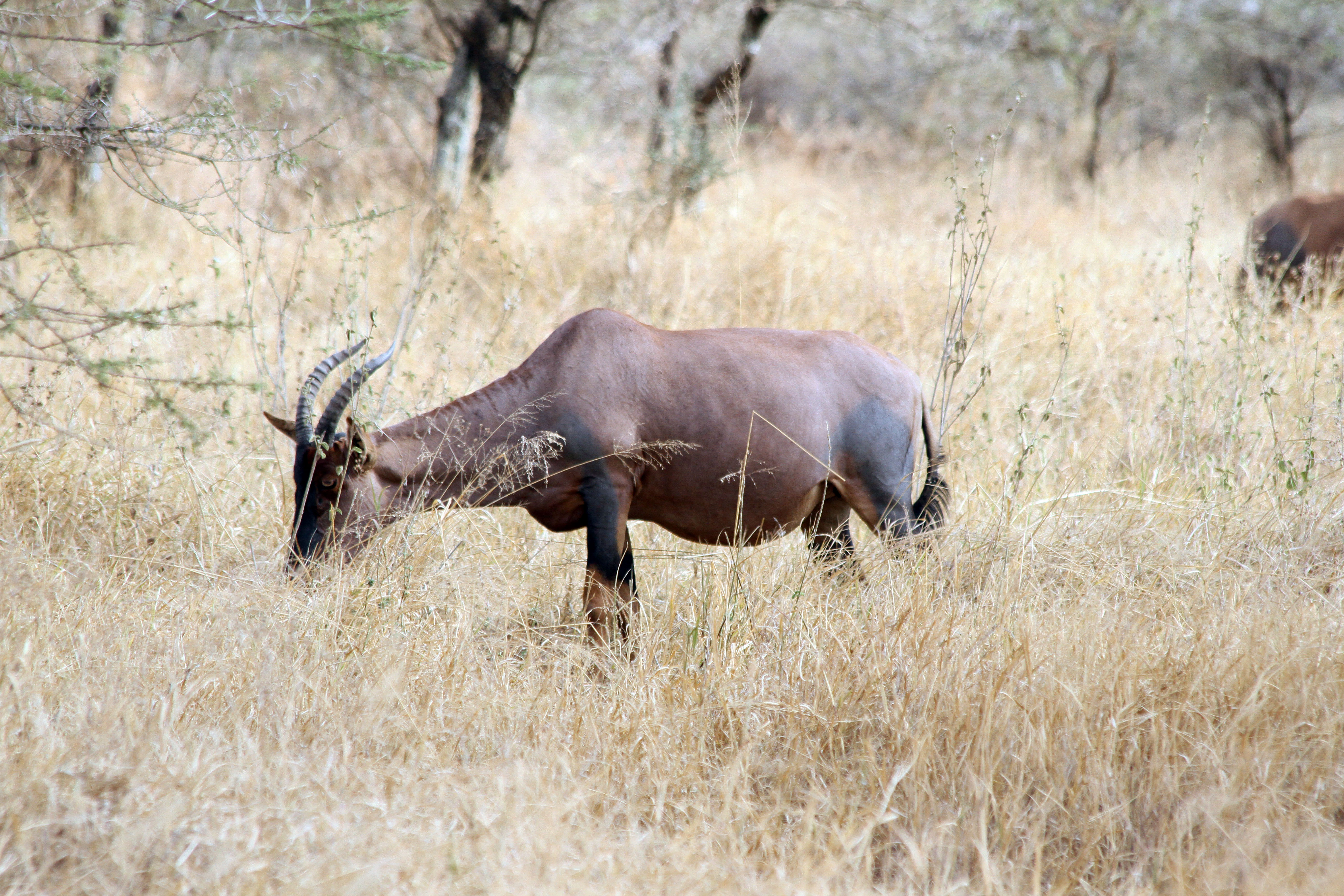
  • Toppi—a kind of antelope that is brown with dark patches. We began to these guys a lot throughout the trip.
  • More Impalas. The women hang out together with one male who protect them. The other males hang out in bachelor herds and wait their turn to challenge the guy with the girls. It’s tough keeping up that kind of pressure, so the males do find themselves alone for a bit after being ousted.
  • Hartebeest—another kind of antelope I think. This one is lighter than the Toppi and Wildebeest.
  • Agama lizard—a lizard with bright orange (or red) coloring on his head.
  • Lots of Grant gazelles peeking up from the long grass to make sure Mr. Lion wasn’t lurking about.
  • Superb Starlings—beautifully colored birds that look shiny in the sun. These guys were seen a lot in our lunch areas.
  • Mongoose—little guys who are rodent-like but for some reason didn’t gross me out as they ran under my bench while eating lunch at the rest area.
  • Dik Diks—the tiniest of the antelope family (I think) and very cute. This little guy (see below) was hanging out getting some shade and watching for predators.
  • Baboons, giraffes, zebras, wildebeests, storks, and buzzards also filled the bill. We were becoming blasé about these guys already!

Elephants and the Glorious Four Seasons

One big stop before we headed off to the most amazing hotel was to view a family of elephants. Mama kept a close eye out on her little ones while the teenage boys trunk wrestled off in the distance. As the family moved, taking down a small tree in its path, it crossed the road in front of us. We must have been making too much noise because mama stopped right in front of our jeep and turned her head to stare us down. I gave a little jump when she snorted at us but was immensely relieved when she moved on. A little warning goes a long way when a four- ton beast gives you the stink eye.

On to the Four Seasons and a second day in the Serengeti National Park. What can you say about a Four Seasons that is planted in the middle of the Serengeti and has a year-round, clean, reliable waterhole directly in front of the pool and your gigantic rooms? From the moment we got there, baboons, antelope, zebra, gazelles and more took turns coming up to the pool for a drink. We had the most amazing show put on by a massive group of elephants who came up to swim, drink, eat and cool off at the pool right before sundown. Here is a video of just a few minutes of the show. It’s very hard to communicate how marvelous it was to sit on my balcony and take it all in. Some of the elephants had little spats and were chasing each other, others were spraying mud on themselves with their trunks and feet (to keep cool I guess), still others were pushing their young here and there keeping order, and all were taking turns lapping up the delicious clean water filtered into the hole by the hotel’s water system. Truly breathtaking and a great way to end the day!

A male lion hangs out under a tree in the shade while the noon sun blazes.

A male lion hangs out under a tree in the shade while the noon sun blazes.

Masai school

Kids take pictures with our cameras at the Masai school

Dik Dik

Dik Dik is a really little guy.

Elephants at watering hole

Dad pushes the family into the water with a head butt.

nursing elephant

Baby elephant nurses while Mama hangs out at the watering hole.

Serengeti gate

The Serengeti gate on the “highway.”

Giraffes in the Serengeti

Giraffes roaming the Serengeti. Beautiful animals walked around our jeeps looking for trees to nibble.

Toppi is a kind of antelope.

Toppi is a kind of antelope.

The elephants were very close to the pool and right outside our rooms.

The elephants were very close to the pool and right outside our rooms.

Elephants at the watering hole right before sunset cast wonderful shadows.

Elephants at the watering hole right before sunset cast wonderful shadows.

Watch a video of the elephants by the watering hole.

Early to rise  on our next day of the African safari because the animals don’t have A/C and they do their moving, eating, playing, killing, etc. early in the morning and late into the night. Every day our tour director had fun stuff for us to read at our tables and every day as we took advantage of the yummy buffets in these magnificent hotels, we read animal fables, jokes, and histories of where we were going and what we were going to see.

Today was a long game drive, down into the Ngorongoro Crater. From what I’ve read, the Masai named it after the sound their cows’ bells make. (Seriously, this country needs some brand marketing expertise.) This vast dining table for many of Africa’s animals and birds is the largest un-flooded continuous caldera in the world. It spans 12 miles and hosts 30 thousand animals who come to feed and drink and hang out in the lush grassy plain that millions of years ago was the inside of an active volcano. The volcano imploded and I’m pretty sure left its ejected remnants back on that road we took getting up there. Looking around at how big this thing was, I was left in awe of how big that volcano must have been.

The drive down was fun and beautiful trees and flowers dotted the side of the “road.” As we went, we could see across to the other side of the rim, the sun starting to peek through the clouds. One of our first sightings was the warthog. Yes, the warthog—remember Pumbaa from Lion King? This thing looks like a little pig with huge tusks. Actually, it is a pig with big tusks. It’s a funny little thing that leans down on his front wrists when feeding and is so stupid that it will start running at the sound of a predator, then a minute later stop running because it forgot why it was running and consequently will get eaten. But, I will say they made me giggle because they are just so funny looking when the run and hey, how can you not be entertained by a warthog?

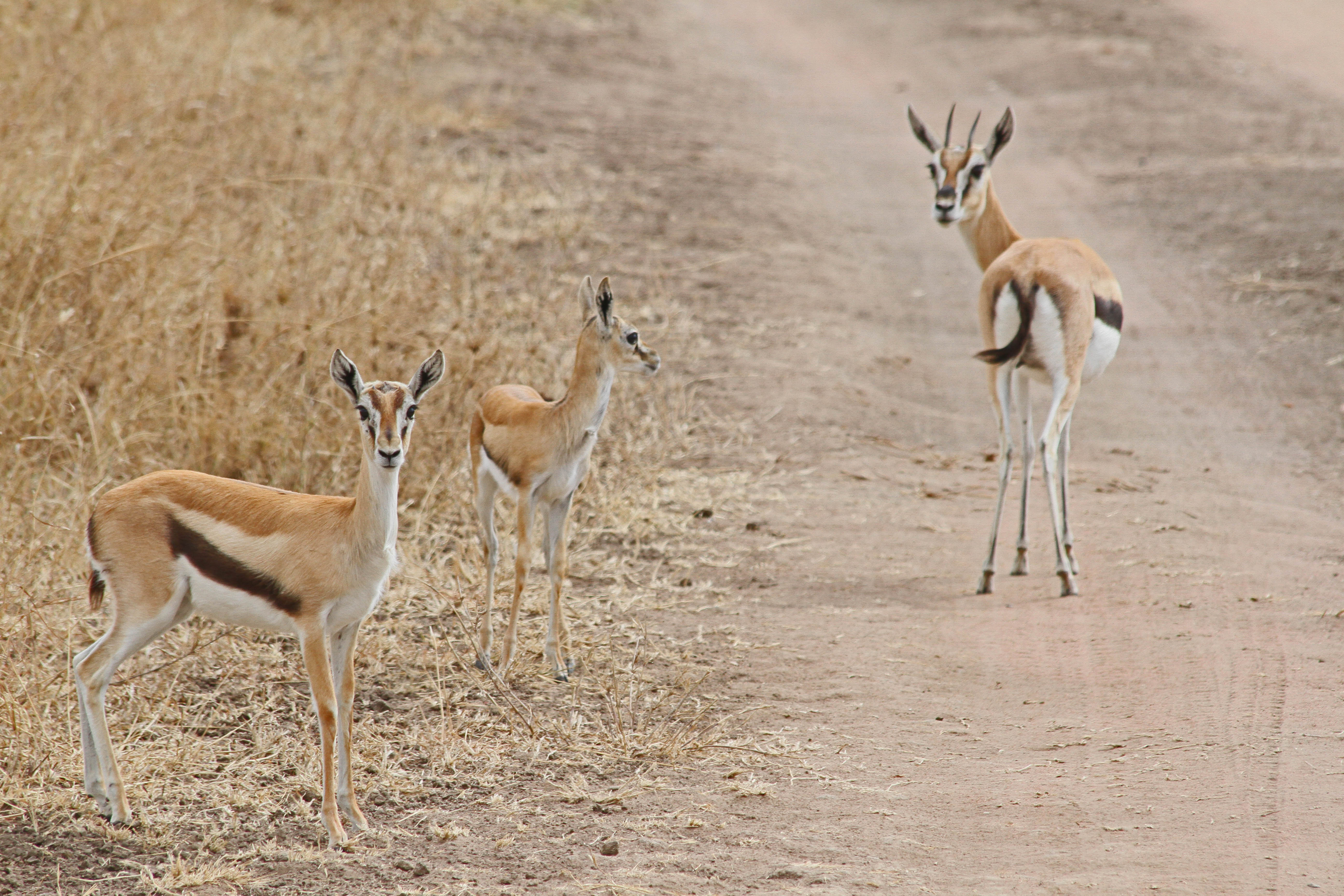
Along the road we also saw lots and lots of gazelles (in fact they were pretty much everywhere we went). I surmised they were in such abundance mainly due to the fact that they were dinner for many a predator. There were two kinds, Thompson and Grant gazelles. A difference being in a bit of color here or there. We also saw lots of varieties of the antelope family. One prevalent species was the Impala. You could tell it was an Impala by the “M” on its behind. There were two black stripes that ran down on either side of a black tail forming an “M.” I also told my dad he could look at their eyebrows—the females don’t have horns but do have a uni-brow. (I had to explain that one to him after a few dubious looks.)

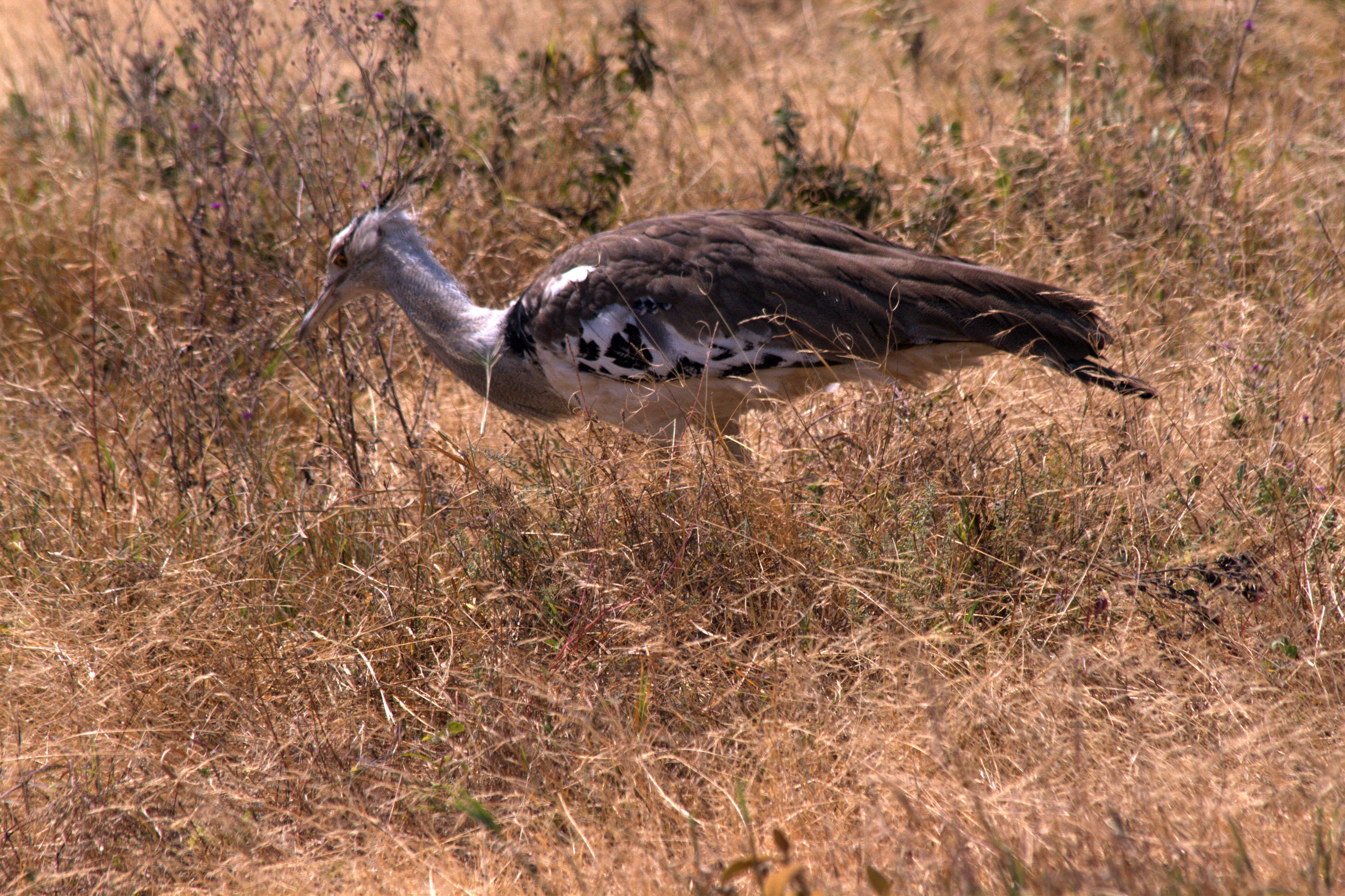
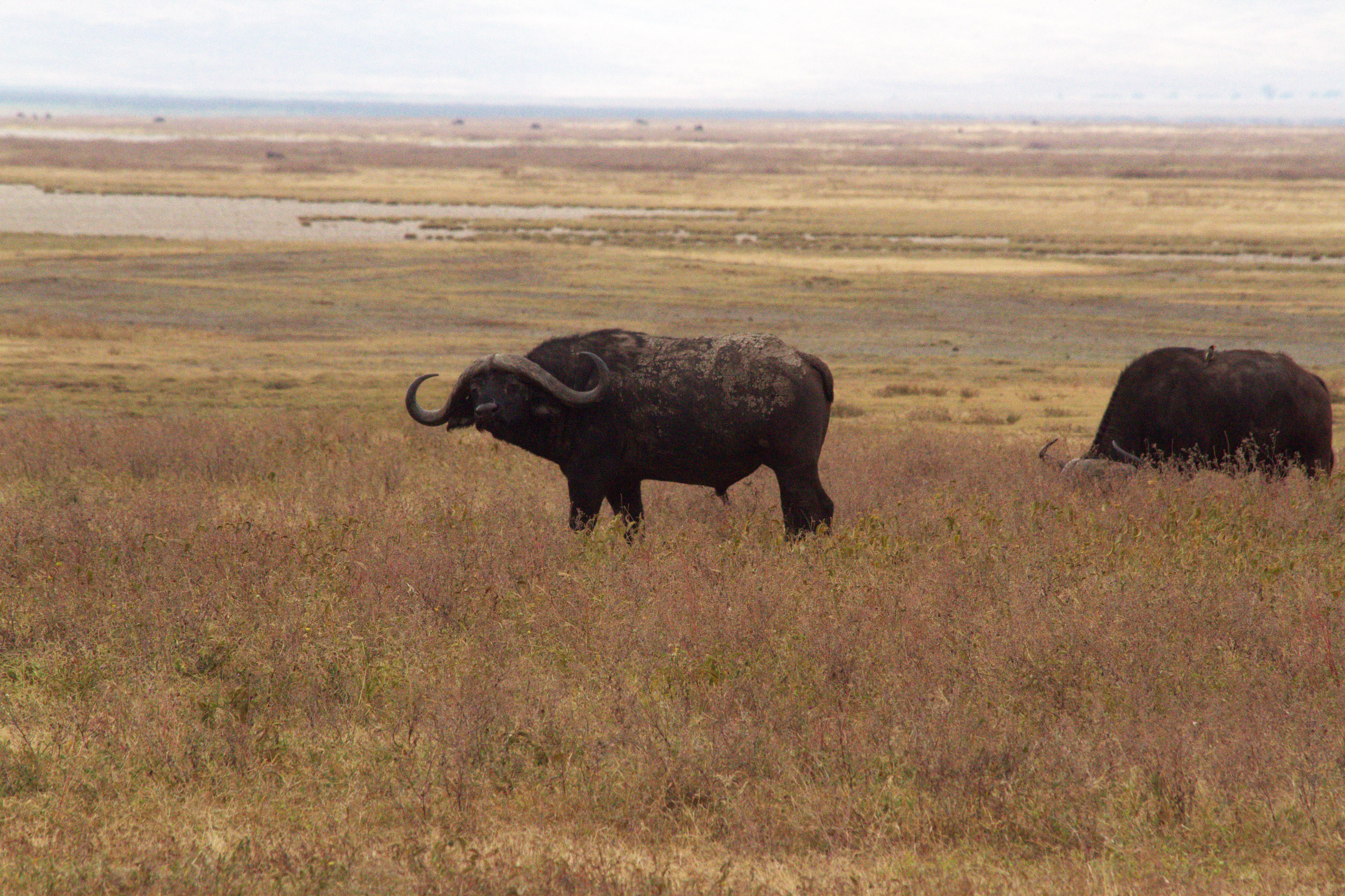
The gazelles had lots of grazing buddies and had no problems hanging out with the Cape Breton buffaloes (big huge animals with heads and horns that looked like the kind of hats the Spanish matadors wear). Anyway, they looked like dumb cows to me. In addition, we saw a bunch of flamingos swimming in the big lake in the middle of the crater and a few other birds such as the Crowned crane, quite a beautiful bird, especially when in flight. Another pretty big bird we eyed was the Kori Bustard. The driver guides who were telling us what everything was called had thick accents, so my ongoing joke for the remainder of the trip was, “there’s another bastard at 2 o’clock.”

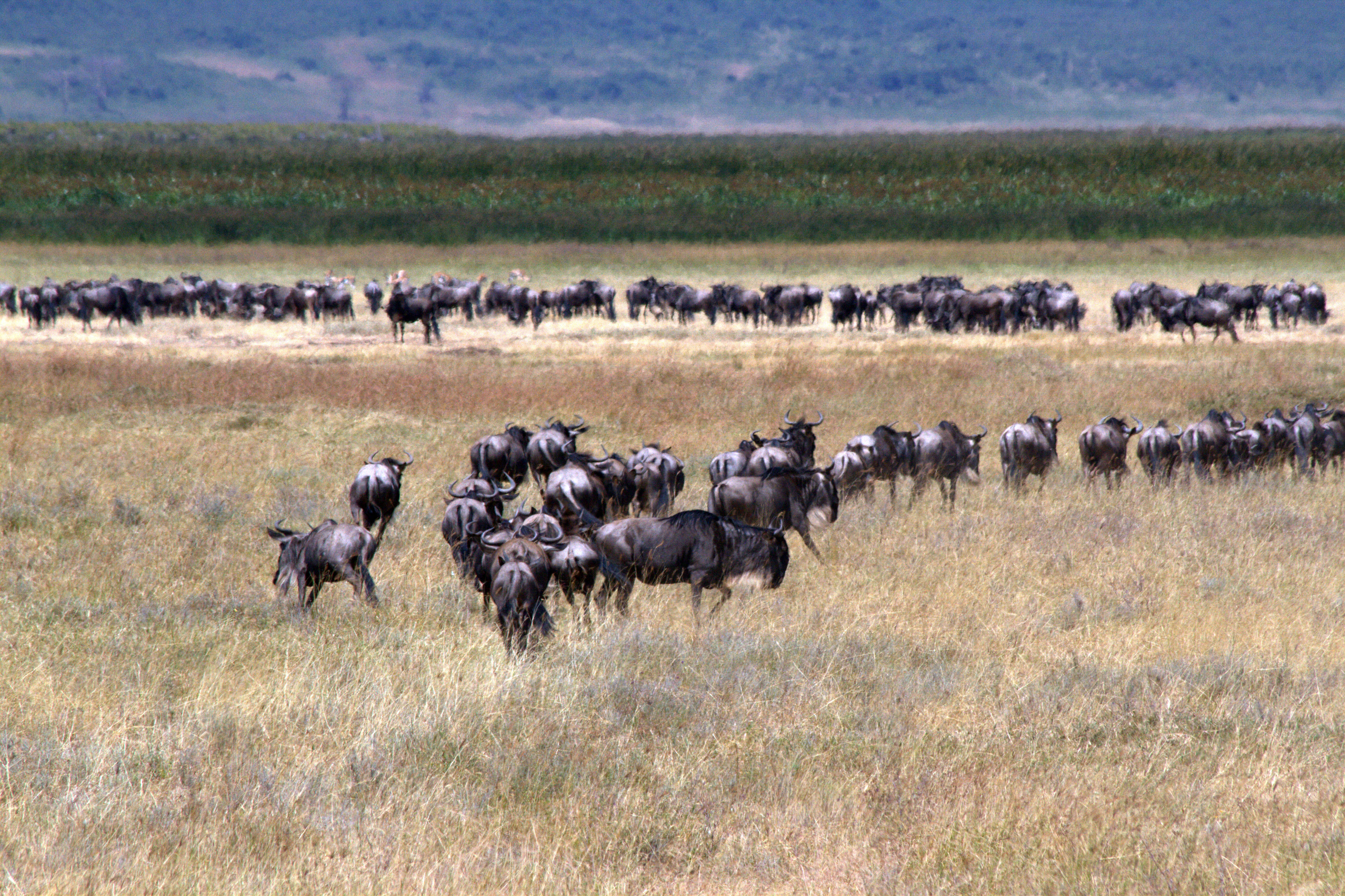
Also grazing were wildebeests, who were everywhere in various stages of the migration. Wildebeests look like a combination of animals. Our guide today, Steve, told us the story of how they came about. Side note: I asked “Steve” where he got his name and he said it was short for Stephen which then made sense. The Germans had a stake in the area before they got kicked out after losing the war. Now back to the story at hand…When all His creating was done, God realized there were parts left over from all the animals he made. Not one to let something go to waste, He used some stripes from the zebra, a head from a warthog, a neck from a buffalo, the body (or legs at least) of an antelope, and some mane from a lion to create one last animal—the wildebeest. Millions of them migrate throughout Tanzania and Kenya each year and move where the food is.

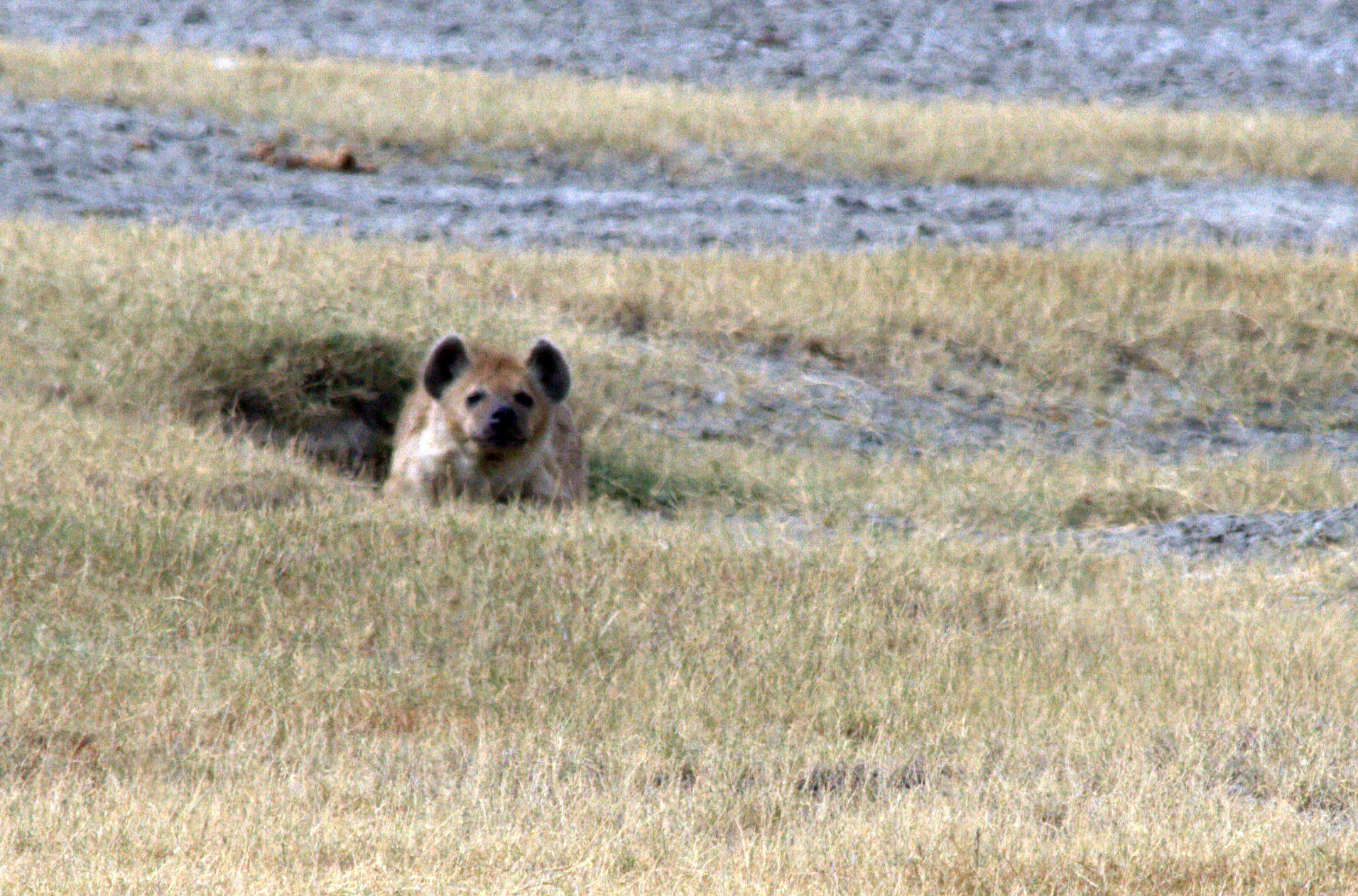
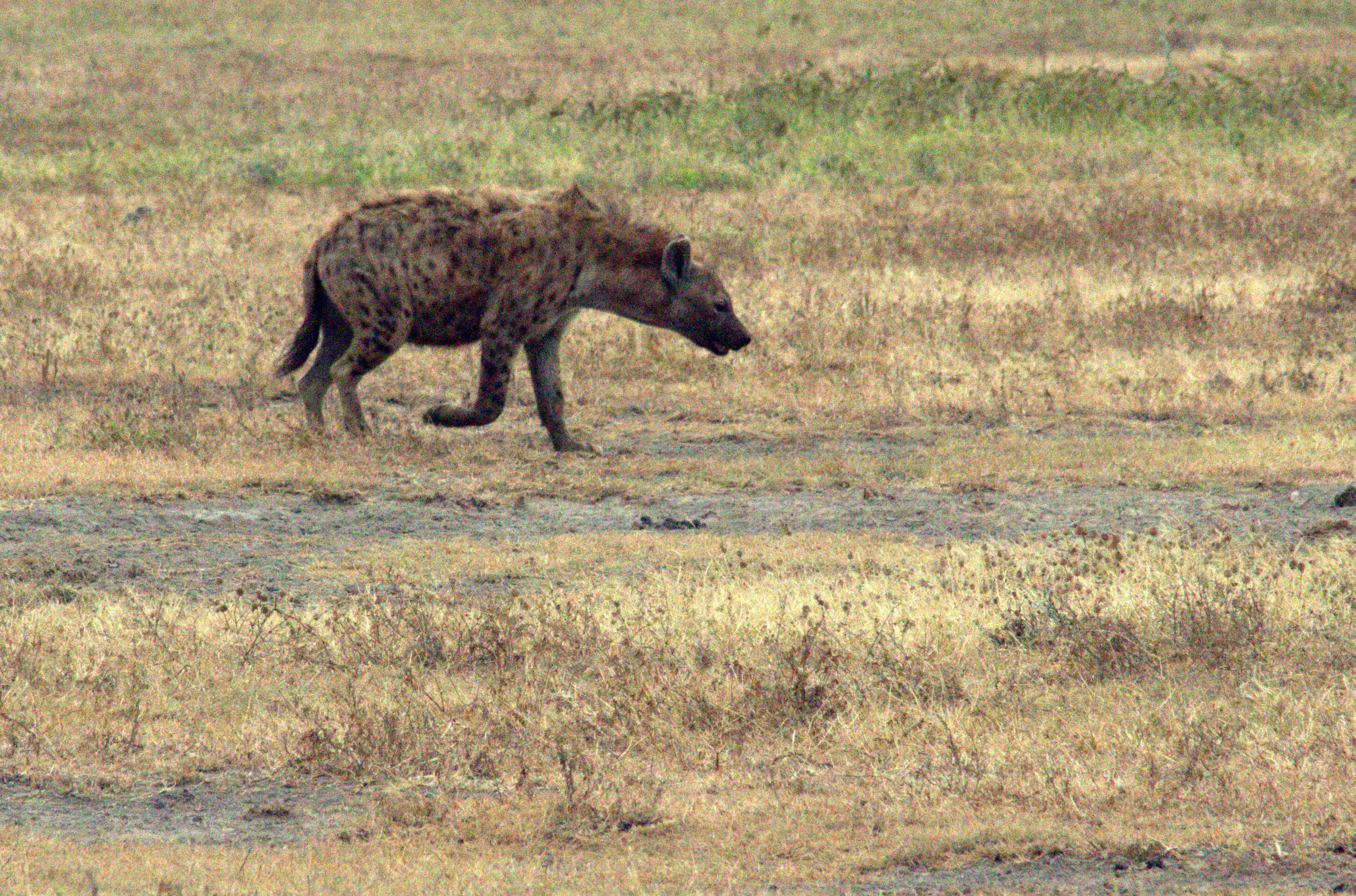
The big predator in the crater was not the lion, (we did see a few in the far off distance) but the hyena. The hyena is a funny fellow who makes little nesting places (shallow burrows it looked like) and tries to scavenge food when possible. They do in fact attack prey in groups but can be shooed away by larger beasts if alone. We saw a few hanging out by a waterhole and being watched intently by the nearby herds.

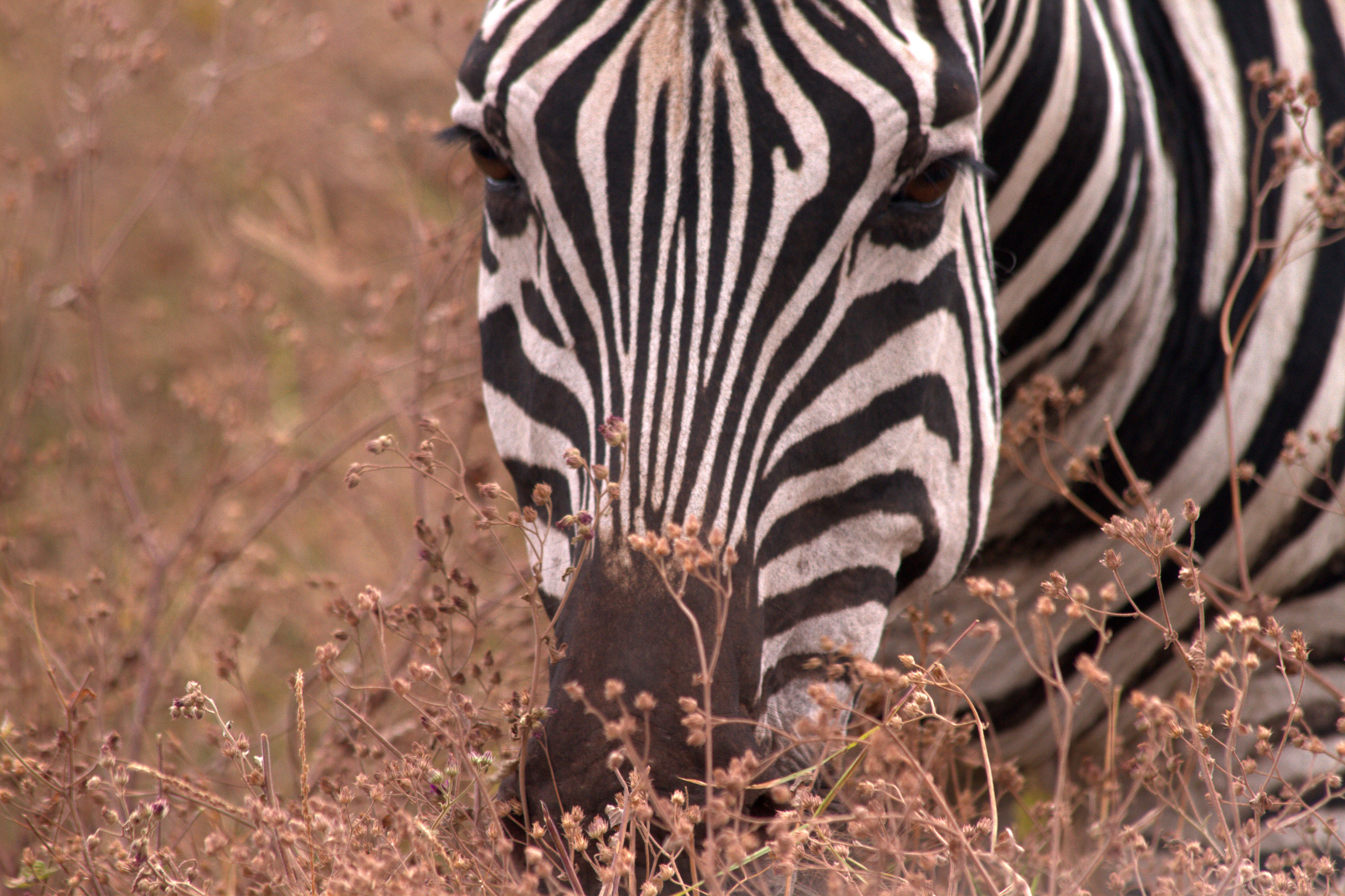
Of course the treat for me in this place was seeing the zebras. I’m not quite sure their real purpose on this planet since they can’t be used like horses and donkeys (backs aren’t strong enough) and they don’t seem to be a major source of food for predators (although they are on the diet of crocodiles, big cats, etc. when they get caught off guard), and I’m not sure that they eat anything that needs to be eaten. They are pretty to look at though. And they are pretty smart. They stand in unique positions when grazing so that predators can’t quite tell how many of them are in a group. They like to confuse others with their stripes and stand head to tail to keep watch (and I think to help bat away flies with the tails). They are known to lead the wildebeests to the big rivers to cross, then back off and let them go first (to get eaten by the crocs). The young ones are brownish and each zebra’s stripes are unique (like snowflakes). Now that’s God’s artistic work—especially when you see herds of them all over the place. Beautiful creatures, yes.

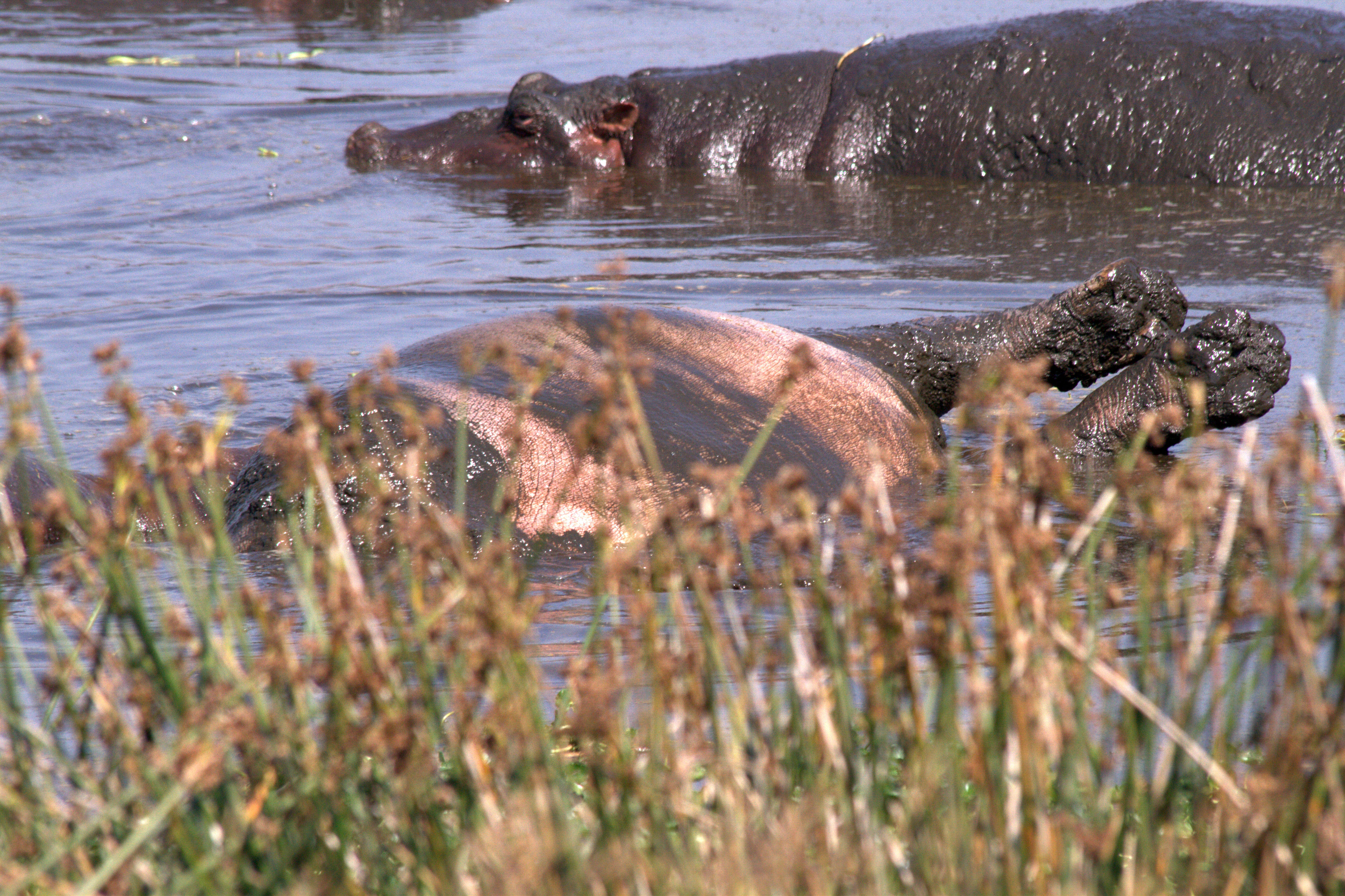
The drive continues as we spot a group of jeeps in one area—always a sign of something cool to see. So we ride on over to where the hippos are all hanging out. This was my first close-up view of them in the water and I loved it! Ladies and gentlemen, here is an animal who hangs out most of the day just floating in water. It doesn’t intentionally hurt people or animals, it just keeps to itself, letting birds hang out on their backs, rolling around in the muck…ah the life. Now if you mess with one of them or get between them and where they want to be, then watch out, because they can turn into mean S.O.B.s in a hot second. There are more humans killed by hippos in Africa than by any other animal. I still like them. When I win the lottery and build my personal lazy river, I’m going to install hippo art along the river as a reminder of my new friends.

So now off to lunch. But where to have lunch in a place like a crater filled with wild animals? Eric the tour director teased us beforehand by “ordering” lame sandwiches for a quick and dirty lunch when in fact they actually put out quite a first-rate picnic for us in the bush. Table cloths and real silverware with tasty barbecued chicken and rice went well with our African beer and wine. We dined under some yellow acacia trees—called yellow fever trees. When early pioneers came to Africa, they camped out under these trees (which grow near swamps filled with mosquitoes) and contracted yellow fever. They blamed the trees at first (brilliant), so hence the name.

After lunch we drove through the other side of the crater seeing more herds moving about and some colorful birds. Up and up through the beautiful acacias onto a hellishly bumpy road, we circled back around the rim to paradise—our hotel at the top of Ngorongoro. We ended the night with a nice reception and dinner with our fellow Tauck traveling family. And to put a nice touch on the end of a day of adventure, the hotel put hot water bottles in our beds at turn down. After a minor freak out at what was lurking in my sheets, I sank into happiness and bliss. Next stop—the Serengeti!

IMG_6888_edited-1

The beautiful zebra, each with its own unique pattern.

IMG_6994_edited-1

“…I will survive, I got all my life to live, I got all my love to give, I’ll survive, I will survive, hey hey….”

IMG_6972_edited-1

Rollin, rollin, rollin, keep that hippo rollin…weeeee!

IMG_7040_edited-1

Kori Bustard (there’s goes another bastard) bird

IMG_7063_edited-1

The female ostrich blends into the daylight scenery for camouflage when nesting. Males are dark for blending in when they guard the nest at night.

IMG_7042_edited-1

A herd of wildebeest roaming the plains of the Ngorongoro Crater. Just some of the millions that migrate each year.

IMG_7023_edited-1

“I’ve…almost…got..it. Man this things been stuck in my ear since the Mara.”

IMG_7021_edited-1

“We see you hyena dudes. Keep walking, that’s it, just keep walking…”

IMG_7011_edited-1

A Crater grazers committee meeting roll call: “Okay, um, wildebeests?” “Present.” “Gazelles?” “Here!” “Hippos?” “We’re over here!” “Flamingos?” “Yup, present.” “Zebras? Hey, where are the zebras and who’s watching the hyenas?”

IMG_6894_edited-1

Hyena watches us from his resting place.

IMG_6832_edited-1

Just out for a stroll–hyena

IMG_7263_edited-1

Gazelles are not sure what to make of our jeep.

IMG_7262_edited-1

Mr. Warthog.

IMG_6820_edited-1

More zebra!

IMG_6785_edited-1

The Cape Breton buffalo. Or what I like to call the cow matador.

IMG_6686_edited-1

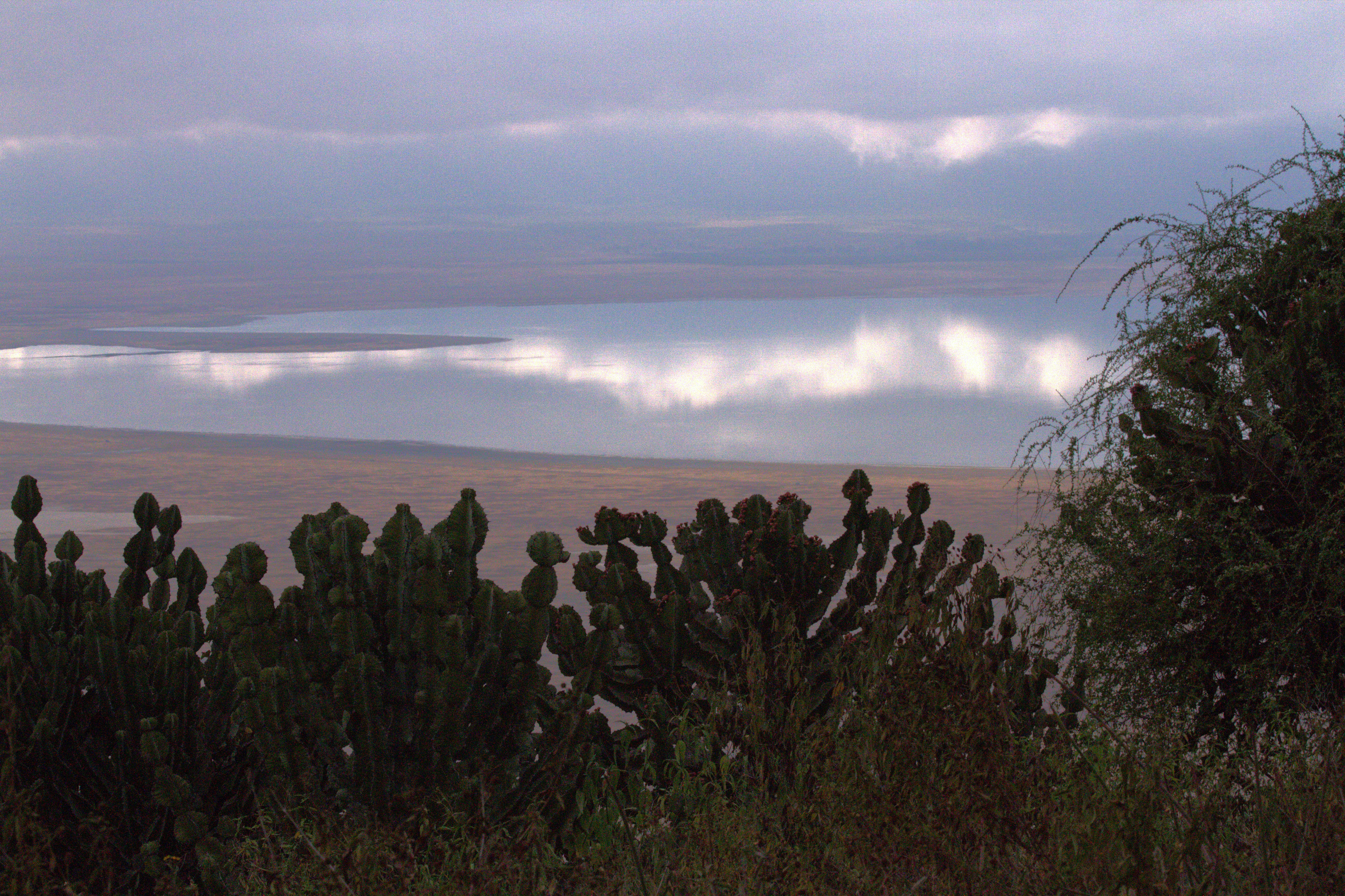
A view of the salt lake in the crater as we make our way down the rim.

IMG_6588_edited-1

Another beautiful view of the crater rim and valley.

IMG_0726_edited-1

Lunch in the bush, done Tauck Tours style.

IMG_0719_edited-1

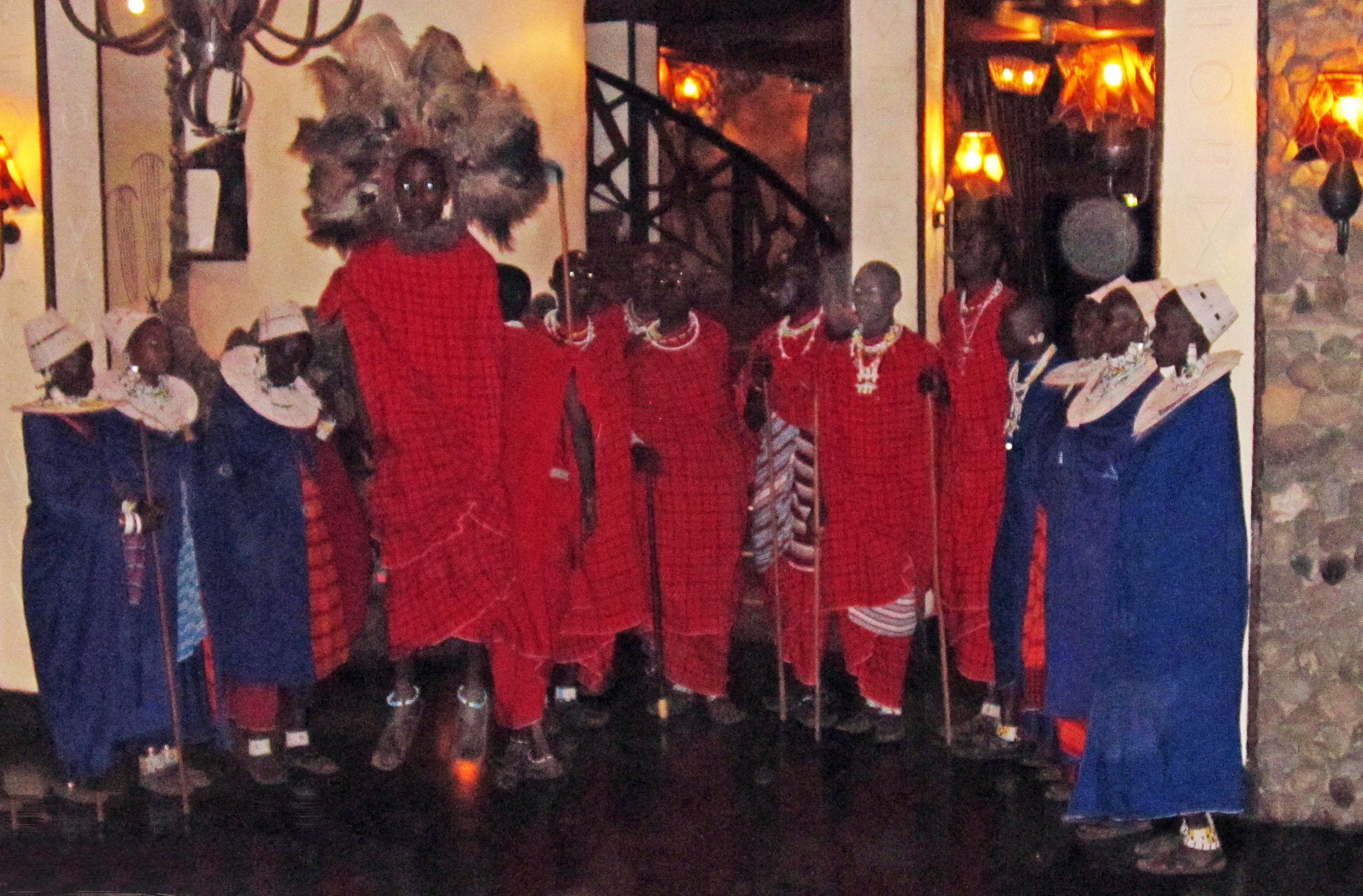
Masai tribe members dance and sing for us (and jump high to show their prowess).

« Previous PageNext Page »